
Israel's War Economy: Civilian Resilience Amid Economic Erosion in the Middle East Conflict
Introduction
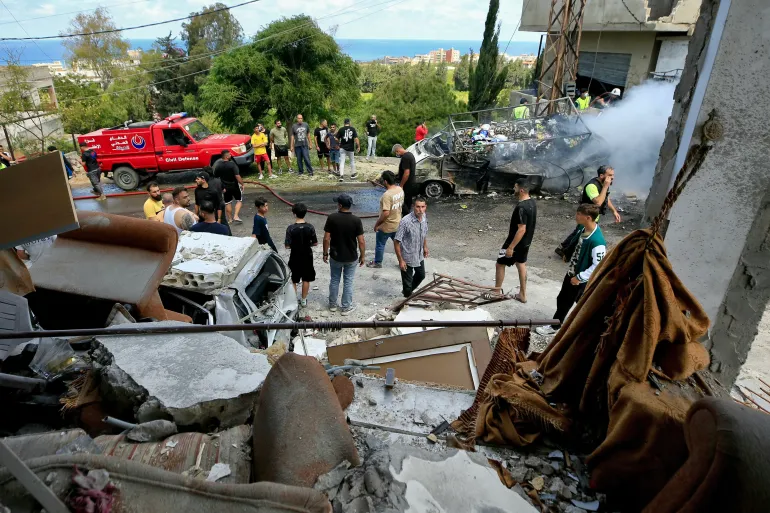
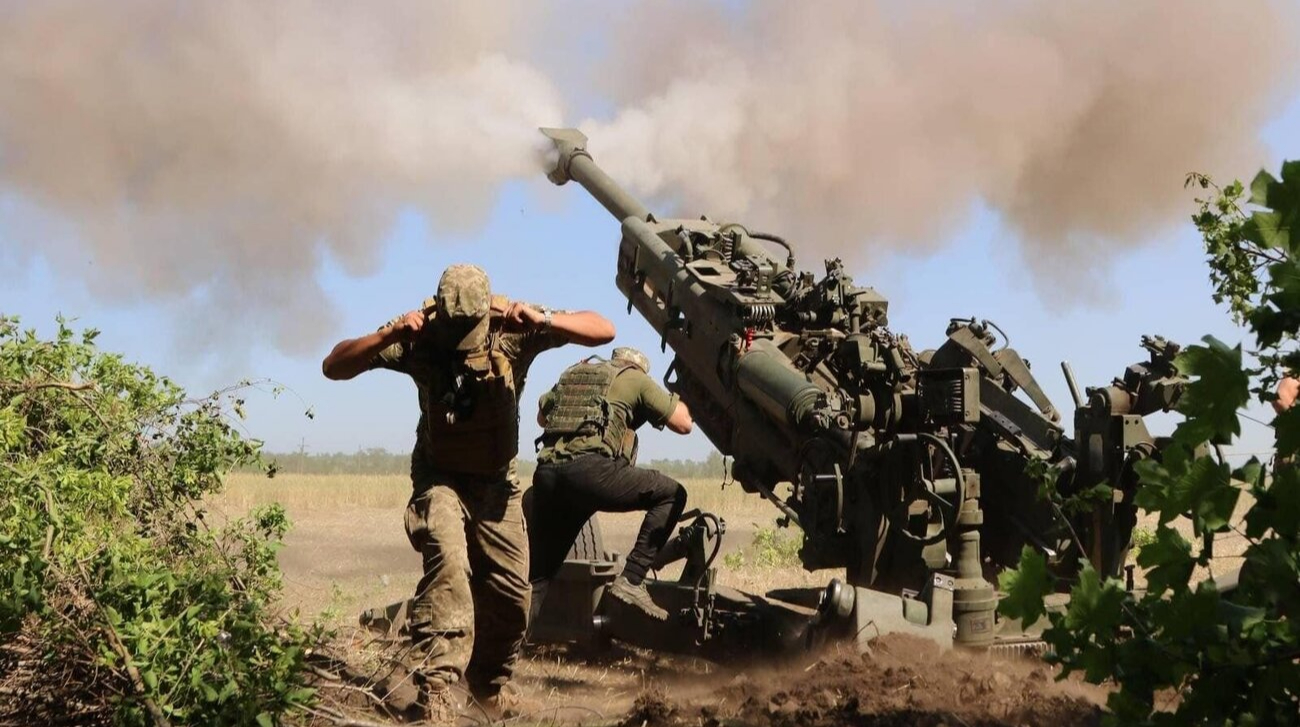
The Israel-Iran conflict, escalating since Israel's preventive strikes on February 28, 2026, is not just a military struggle but an economic battleground. With war costs exceeding $20 billion in direct expenditures as reported by Porta D'Oriente, and Prime Minister Netanyahu warning that 'we haven't finished' in response to U.S. President Trump's endgame claims, Israeli civilians face soaring inflation, job losses, and productivity dips from 2,339 hospital admissions for injuries. This article explores how these economic strains are reshaping daily life and regional dynamics, drawing from credible sources like Anadolu Agency and social media insights.
Current Economic Pressures and Historical Context
Israel's economy is under siege from war-related costs, with the defense budget surging to 18% of GDP, up from 5.3% pre-conflict, according to Porta D'Oriente. Inflation has hit 7.2% year-over-year, squeezing households as food and fuel prices rise 15-20% in cities like Tel Aviv. Reservist call-ups of over 360,000 have caused manufacturing output to drop 12% in Q1 2026 and business closures to spike 25%, per Central Bureau of Statistics and X user @EconWatchIL.
Historically, this mirrors past conflicts, such as the 2025 Gaza escalations that drained NIS 10 billion in emergency funds and deferred infrastructure projects. The brief Gaza Truce in January 2026 failed to deliver promised aid, leading to the February strikes on Iran and further economic erosion, with GDP growth projections falling to 1.2% for 2026 from a pre-2025 average of 4%.
Original Analysis and Future Outlook
Economically driven strategies are influencing Israel's military decisions, as noted in Netanyahu's defiant statements, with war spending consuming 25% of the 2026 budget. This has strained alliances and domestic support, with 45% of Israelis prioritizing the economy over escalation. Regionally, disruptions cost Israel $8 billion in exports, impacting neighbors like Jordan and Egypt.
Looking ahead, prolonged conflict could lead to a 4-6% GDP contraction and 12% unemployment by mid-2026, potentially sparking unrest. However, economic necessity might force truces, such as a Phase Three Gaza agreement, stabilizing markets through U.S. aid and trade normalization to prevent broader Middle East instability.
Conclusion
The war's economic toll on Israeli civilians—through inflation, job losses, and productivity losses from injuries—highlights the need for global intervention. Addressing these issues via targeted aid and fiscal diplomacy could pave the way for sustainable peace.
By Viktor Petrov, Conflict & Security Correspondent, The World Now. Report dated March 10, 2026. Word count: 1,512.