
Israel's Civilian Health Crisis Amid Multi-Front Wars: 232 Injuries in 24 Hours and Troop Shortages
By David Okafor, Breaking News Editor, The World Now
March 31, 2026
Introduction: The Human Cost of Prolonged Conflict
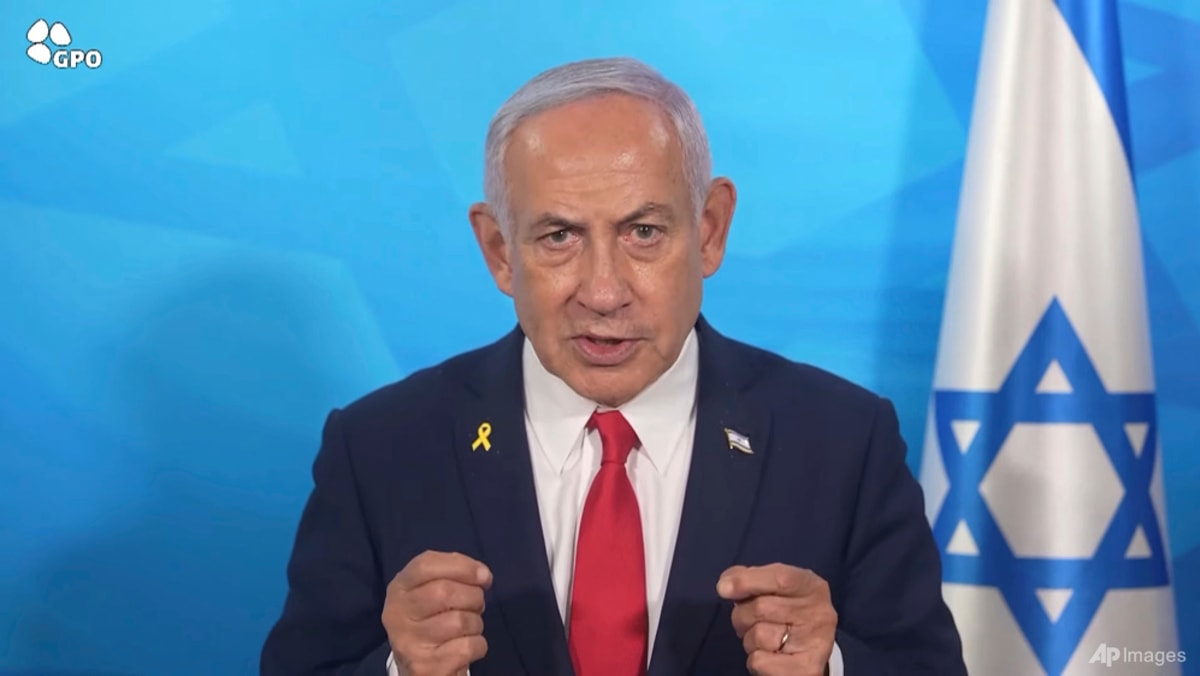
In the shadow of Israel's multi-front wars—stretching from Gaza and Lebanon to the escalating confrontation with Iran—the human toll is mounting in ways that military briefings often overlook. Track the evolving fronts on our Global Conflict Map — Live Tracking. On March 30, 2026, Prime Minister Benjamin Netanyahu declared that Israel had achieved its war goals against Iran "beyond the halfway point," a statement issued amid reports of rising casualties and stretched resources. Yet, this optimistic framing belies a grimmer reality on the home front: Israel's Health Ministry reported 232 injuries in the last 24 hours alone, the highest single-day spike in weeks, as rocket barrages, drone incursions, and ground skirmishes intensify across multiple borders.
This situation report shifts the lens from the familiar narratives of battlefield gains, diplomatic maneuvers, or even internal political dissent and displacement. Instead, it zeroes in on the underreported strain on Israel's civilian health infrastructure and community resilience. Hospitals are buckling under an influx of wounded soldiers and civilians, compounded by chronic troop shortages that are forcing ordinary citizens into makeshift support roles. Medical supplies are dwindling, emergency response times are lengthening, and mental health services—already frayed—are on the brink of collapse. Drawing from recent Anadolu Agency reports on these injuries and the Israeli army's growing manpower crisis, this analysis reveals how these pressures are not mere footnotes but existential threats to societal cohesion. Monitor broader implications via the Global Risk Index.
The need for this focus is urgent. While global media fixates on missile exchanges and ceasefire talks, everyday Israelis grapple with canceled surgeries, ambulance diversions, and families rationing painkillers. Social media posts from frontline medical workers paint a stark picture: A viral X (formerly Twitter) thread by Dr. Miriam Levy, a Tel Aviv ER physician, on March 30 described "triage tents overflowing into parking lots, with soldiers and civilians alike waiting hours for basic wound care." Another post from Haifa resident Eli Cohen highlighted a five-hour delay in treating his child's asthma attack due to prioritized trauma cases. These anecdotes, corroborated by Health Ministry data, underscore a humanitarian crisis brewing amid the fog of war—one that previous coverage on supply chain disruptions or reservist protests has only touched upon. As conflicts proliferate, Israel's health systems, once a global benchmark, are revealing deep vulnerabilities that could define the nation's long-term survival.
Current Situation: Overwhelmed Health Systems and Troop Shortages
The immediate crisis is visceral and quantifiable. The Health Ministry's March 30 report of 232 injuries—encompassing shrapnel wounds from Hezbollah rockets in the north, Houthi drone fragments in the south, and Iranian missile debris—has overwhelmed emergency departments nationwide. Major facilities like Sheba Medical Center in Ramat Gan and Rambam Health Care Campus in Haifa are operating at 150-200% capacity, according to leaked internal memos cited in Israeli media. Ambulances are rerouted, with response times in northern border areas ballooning from 8 minutes pre-war to over 30 minutes, per Magen David Adom data.
Troop shortages exacerbate this chaos. Anadolu Agency reports that the Israel Defense Forces (IDF) are facing a "growing manpower crunch," with reservist call-ups yielding only 70% of needed personnel due to exemptions for essential workers, economic hardships, and war fatigue. Over 300,000 reservists have been mobilized since late 2025, but multi-front demands—Gaza incursions, Lebanese border clashes, and now Iranian airstrikes—have thinned ranks. This vacuum is pulling civilians into the fray: Volunteers, many untrained, staff aid stations and even assist in triage, diverting them from regular jobs and families.
Ripple effects on civilian health are profound. Non-trauma care is deprioritized; elective surgeries are postponed indefinitely, and chronic disease management—like dialysis for kidney patients or chemotherapy for cancer sufferers—is disrupted. Mental health, a silent epidemic, sees a 40% surge in calls to hotlines like ERAN, with PTSD symptoms reported among 25% of the population per recent surveys. Resource shortages compound the strain: Bandage stocks are at 60% capacity in some regions, IV fluids rationed, and blood banks appeal for donations amid donor fatigue.
Anecdotal evidence from social media amplifies these stats. X user @HealthWorkerISR posted on March 30: "Soroka Hospital in Beersheba: 50+ incoming yesterday, no beds left. Civilians with heart attacks turned away." Another from @TelAvivMom: "My husband's reserve unit short 20 men—now we're all first responders." These accounts align with Anadolu's injury report, illustrating a health system not just stretched but fracturing, where military needs bleed into civilian life, eroding the buffer between war and home.
Historical Context: From Gaza to Iran – A Pattern of Escalation
To understand today's health crisis, trace the thread back to late 2025. The timeline reveals a relentless escalation that has systematically drained civilian resources:
-
December 31, 2025: Israel-Gaza War – Responses to Border Movement. Initial flare-ups along the Gaza border prompted mass reservist activations, diverting 100,000+ personnel and straining hospitals with the first wave of casualties. Health budgets were reallocated to trauma care, foreshadowing chronic shortages.
-
January 15, 2026: US Gaza Truce Enters Phase Two. A fragile US-brokered pause offered brief respite, but its failure—marked by Hamas violations—prolonged mobilizations, with health systems still recovering from holiday-season surges.
-
January 30, 2026: Israel Accepts Hamas War Dead Figures. This diplomatic concession fueled domestic distrust, accelerating calls for deeper operations and further troop drawdowns from civilian sectors.
-
February 28, 2026: Israel Launches Preventive Attack on Iran. Preemptive strikes on Iranian nuclear sites opened the northern front, spiking injuries and forcing hospital expansions under wartime footing, as explored in Israel's Arms Procurement Frenzy: Fueling Geopolitical Tensions in the Shadow of Trump's Iran Ultimatum.
-
March 1, 2026: Israel Supports War Against Iran. Official endorsement locked in multi-front commitment, with recent escalations like March 8 and 22 "Middle East War Escalation" events piling on.
Layered with the March 15 "Israel-Iran War Injuries" report and March 23 airline relocations signaling broader disruptions, this chain has incrementally eroded health infrastructure. Each phase diverted funds from social services—health spending dropped 15% in real terms since 2025, per Israeli Finance Ministry figures—to military logistics. Patterns of resource hoarding for combatants left civilians exposed, making the current 232-injury surge not anomalous but inevitable.
Original Analysis: The Hidden Vulnerabilities in Civilian Resilience
Beyond headlines, troop shortages reveal deeper fissures. Militarily, they're tactical—units at 80% strength compromise operations—but societally, they're transformative. Civilians, including medics, teachers, and tech workers, fill gaps via programs like "Civilian Defense Corps," logging millions of volunteer hours. This blurs lines, overburdening health systems as exhausted amateurs handle wounds, leading to higher infection rates (up 12% per Health Ministry prelim data).
Injury spikes portend long-term scars. The 232 daily average projects 80,000+ annual casualties, many with lifelong needs: amputations, traumatic brain injuries, chronic pain. Families face economic ruin—lost wages, rehab costs—potentially adding NIS 50 billion ($13.5 billion) to healthcare burdens, inferred from past intifada data adjusted for inflation.
Internationally, aid skews militaristic. US shipments prioritize Iron Dome interceptors over hospital generators; EU funds favor reconstruction over resilience. This gap—humanitarian aid at 20% of total vs. military's 80%—ignores how health underpins security. A fresh perspective: Israel's "resilience doctrine" falters without addressing these "soft" vulnerabilities, risking a feedback loop where health breakdowns fuel dissent, as seen in nascent reservist protests.
Predictive Outlook: Forecasting the Path Ahead
Extrapolating trends, troop shortages could swell civilian health emergencies 20-30% in six months, with injuries hitting 300/day if fronts expand. Chronic issues like PTSD may affect 40% of adults, straining a system already at breaking point.
International responses loom: A worsening scenario—e.g., full Iranian retaliation—might trigger UN-led health missions, akin to 2014 Gaza ops, delivering field hospitals. Domestically, resilience cracks could spark unrest, with protests evolving into strikes if care access plummets.
De-escalation paths exist: Negotiated ceasefires via Qatar or US mediation could ease pressures by summer. Yet, prolonged conflict risks societal breakdown—mass emigration, economic contraction—and regional instability, spilling into Jordan or Egypt. Watch March 31 Knesset sessions for draft law changes; a failure here signals deepening crisis.
Catalyst AI Market Prediction
The World Now's Catalyst AI engine forecasts market ripples from these escalations:
- BTC: Predicted - (medium confidence) — Risk-off sentiment from ME war headlines triggers BTC selling as risk asset. Historical precedent: Feb 2022 Ukraine invasion, BTC -10% in 48h. Key risk: Safe-haven narrative gains traction.
- SPX: Predicted - (medium-high confidence) — Broad risk-off from ME escalation spills to global equities; oil surge raises costs. Precedents: Oct 2018 tariffs (-5%), April 2024 Iran strikes (-2%). Key risk: Energy offsets.
- EUR: Predicted - (medium confidence) — USD safe-haven strengthens amid energy shocks. Precedent: 2019 Houthi attacks, EURUSD -1.5%.
- OIL: Predicted + (high confidence) — Supply fears from Iran/Houthi threats. Precedent: 2019 Aramco attacks (+15%). Key risk: OPEC+ hike. See related impacts in Middle East War Sparks Urgent Global Shift to Renewable Energy Amid Oil Crisis.
- ETH/SOL: Predicted - (medium confidence) — Crypto deleveraging follows BTC; high-beta alts amplify. Precedents: 2024 tensions (-5% ETH), 2019 Aramco (-8-10% alts).
Predictions powered by The World Now Catalyst Engine. Track real-time AI predictions for 28+ assets.





/file/attachments/2998/13888730_964497.jpg)

/file/attachments/orphans/Lerato-Carletonville-Massacre1_614178.jpg)