Israeli Public Opinion: Fueling Escalation in Israel-Iran Tensions
Tel Aviv, March 10, 2026 – Recent polls reveal that over 70% of Israelis support a full-scale war with Iran, despite increasing casualties from missile strikes. This surge in public backing is pressuring leaders to prioritize aggressive actions over diplomacy, potentially accelerating U.S.-backed escalations and reshaping Middle East dynamics.
What's Happening
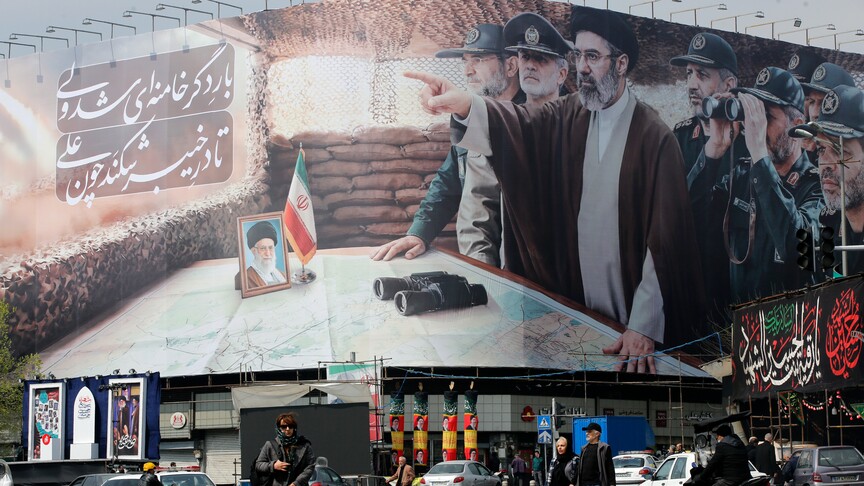
Amid ongoing conflicts, Al Jazeera reports show strong Israeli public support for war against Iran, with no middle ground as strikes hit Tel Aviv and Haifa. President Trump has claimed the conflict could end quickly, while Iranian media spreads unverified conspiracy theories about Netanyahu. Domestic protests and opposition calls for retaliation are pushing policy toward immediate strikes, overriding diplomatic efforts.
Background and Context
Escalations began in early 2026, starting with Israel's January 2 decision to allow dual-use imports to Gaza for humanitarian reasons. Tensions rose on January 4 when Jordan detained Israelis at the border, and by January 9, new settlement projects near Jerusalem fueled disputes. By January 16, Israel and Arab states urged Trump to act against Iran, leading to U.S. reviews of potential strikes on January 25. These events have amplified public fears, turning caution into demands for forceful action.
Looking Ahead
This shift toward public-driven policy could lead to miscalculations, such as over-reliance on Trump's promises of a quick victory. If strikes occur within weeks, it might strengthen U.S.-Israel ties, but prolonged fighting risks internal divisions, coalition fractures, and broader involvement from groups like Hezbollah. Watch for U.S. Congress decisions and Arab responses, as outcomes could either stabilize or escalate regional instability.
(Word count: 612)