Israeli Officials Reject Binding Nature of US-Iran Deal Covering Lebanon Conflict
Israeli Defense Minister Israel Katz stated that IDF forces will remain in self-declared security zones across large parts of southern Lebanon despite a US-Iran ceasefire agreement that includes a halt to fighting there, while Hezbollah reported carrying out 21 attacks on Israeli forces in response to alleged ceasefire violations in the Lebanon conflict.
Israeli Position on Continued Presence
Israel Katz declared that IDF troops will stay in security zones in southern Lebanon, Gaza, and Syria, clearing them of residents, Hezbollah infrastructure, and village homes, and that Israel opposes any withdrawal from Lebanon despite pressure. [1] Katz said Netanyahu conveyed this position to US President Donald Trump and senior American officials; Israel was not a party to the US-Iran agreement announced overnight that includes stopping the war in Lebanon. [1] Israeli National Security Minister Itamar Ben-Gvir stated that Trump's agreement is not binding on Israel because it does not ensure Israeli security. [1] Katz further noted that if Iran attacks Israel due to events in Lebanon, Israel will strike back, referencing the attack on Beirut on Sunday. [1] The defense minister emphasized that the areas will be cleared of local residents, Hezbollah infrastructure, and houses in such villages. [1] Israel maintains its stance against military withdrawal from Lebanon regardless of current or future pressure. [1]
US-Iran Ceasefire Agreement
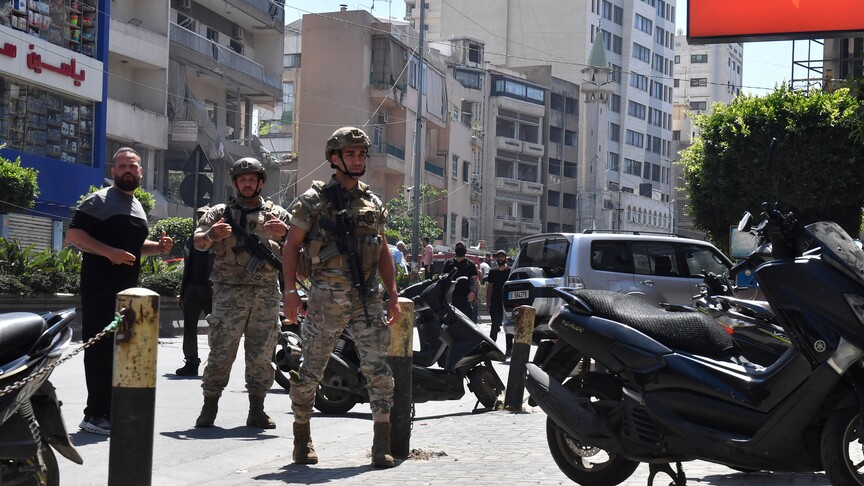
Hezbollah fighters conduct attacks on Israeli military positions in southern Lebanon. — Source: anadolu The announced deal that includes stopping warfare in Lebanon was reached between the United States and Iran, with Israel not participating in the agreement. [1] Katz indicated that Prime Minister Benjamin Netanyahu had already made Israel's position clear to President Donald Trump and other senior American officials. [1] Ben-Gvir wrote on social media that the agreement is not binding because Israel is not a party and it does not provide for Israeli security. [1] The US-Iran agreement covers a halt to fighting in Lebanon as part of broader efforts, yet Israeli officials have rejected its applicability to their operations. [1] Netanyahu has not yet commented on the agreement. [1]
Hezbollah Military Actions
Hezbollah claimed responsibility for 21 attacks against Israeli forces and military vehicles in southern Lebanon, describing them as responses to Israeli ceasefire violations and attacks on southern villages. [2] An analyst noted that Hezbollah's downing of an Israeli Heron 1 drone demonstrates the group still retains functional air defense systems that it uses periodically. [3] Brig. Gen. Hisham Jaber told Anadolu that through this operation Hezbollah revealed it possesses an air-defense weapon system that it employs from time to time. [3] These actions by Hezbollah are presented as direct replies to alleged breaches and strikes on villages in the south. [2]
Ongoing Violence and Raids
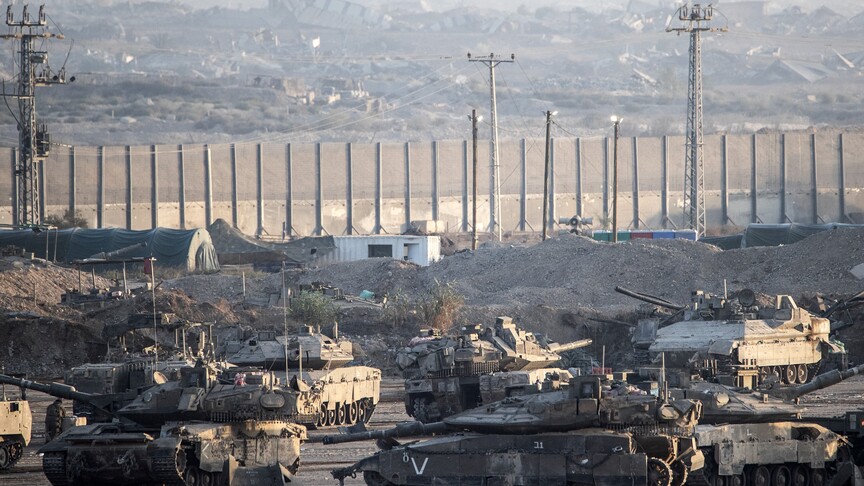
Israeli Defense Minister Israel Katz rejects binding US-Iran ceasefire deal on Lebanon conflict. — Source: anadolu Israeli strikes continued in Lebanon with around 300 raids in the past week even after the announced agreement, while Hezbollah kept attacking IDF positions and firing rockets into northern Israel. [4] The fragile ceasefire that had been in place on paper until now did not apply to Lebanon according to Israeli clarifications made in April. [4] Hezbollah continued its operations against the IDF and launched rockets toward northern Israel amid the ongoing raids. [4] The extension of the ceasefire to Lebanon forms part of the new memorandum of understanding mediated by Pakistan and Qatar. [4]
Lebanese Government and Internal Challenges
The Lebanese government's difficulties in asserting control include challenges in disarming Hezbollah and risks of renewed civil conflict. [4] Displacement impacts have forced over a million people to abandon their homes due to the Israeli invasion of southern Lebanon and airstrikes. [4] Many displaced individuals now live in tents in the capital, with Shiite Muslim displaced persons facing marginalization from other communities due to fears of attracting further raids. [4] The government lacks broad financial resources, and its armed forces are weak with poorly paid soldiers. [4] Hezbollah has infiltrated even Lebanese security organizations according to the US Treasury Department. [4] Soldiers are reluctant to be seen as complicit with Israel and many do not wish to confront their own compatriots. [4] Washington is considering a system to train and equip Lebanese military units to pursue Hezbollah so that the IDF does not have to perform that role. [4]
International and Regional Implications
US assurances to Israel include statements that if Hezbollah launches rockets against Israel or if Iran continues arming Lebanese militias, that would constitute a violation of the agreement. [4] Potential for attacks under self-defense interpretations remains, as Washington supports the ceasefire extension while allowing Tel Aviv room for actions it deems necessary. [4] Iran's linkage of Lebanon to any deal was evident when Tehran responded to Israeli raids on Beirut by insisting that any solution must address Lebanon alongside the nuclear dossier and the Strait of Hormuz impasse. [4] The agreement plays a role in broader Iran-Israel dynamics, with the 60-day ceasefire now explicitly covering Lebanon. [4] Israeli concerns center on possible limits to freedom of action against Hezbollah and requirements for prior consultation with the US administration. [4]
What to watch next: Continued Israeli raids in Lebanon alongside Hezbollah attacks on IDF positions and rocket fire into northern Israel could test the boundaries of the US-Iran agreement's application to the Lebanon conflict.