
Israel Vows to Continue Operations in Southern Lebanon After U.S.-Iran Ceasefire Roadmap
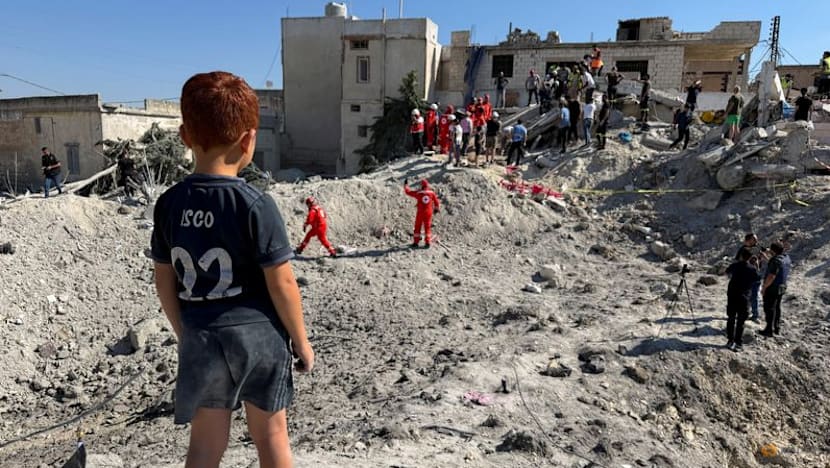
Israel has vowed to maintain its military operations in southern Lebanon to neutralize threats and uphold a security zone, even as the United States and Iran reached a 60-day ceasefire roadmap that includes a U.S. monitoring mechanism for the area.
Israeli Leadership Reaffirms Military Posture in Southern Lebanon
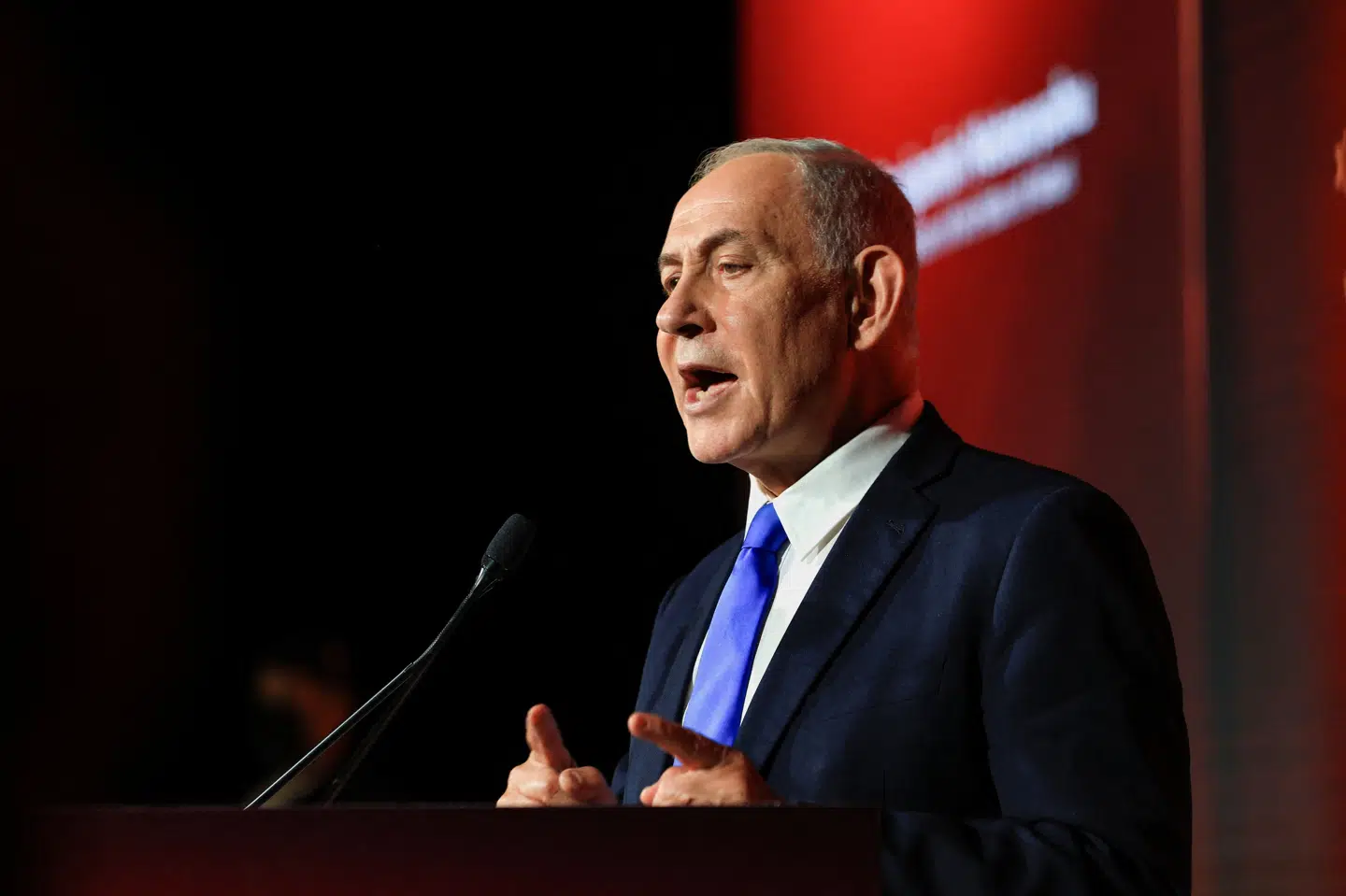
Israeli Prime Minister Benjamin Netanyahu, Defense Minister Israel Katz and army chief Eyal Zamir issued a joint statement after a meeting, declaring that IDF actions will continue to target threats to soldiers and citizens, destroy infrastructure and maintain the security zone without compromise. [1] The statement stressed that the security of Israeli citizens and IDF forces remains the guiding principle without any compromise. [1] The message came after discussions involving the head of the army’s northern command as well. [1] Israeli officials made clear that operations in southern Lebanon would proceed to neutralize threats, destroy infrastructure and preserve the security zone. [1]
U.S.-Iran Agreement Includes Lebanon Ceasefire Monitoring
The Israeli statement follows U.S.-Iran talks in Bürgenstock, Switzerland, where the parties agreed on a 60-day peace roadmap that includes a U.S.-established oversight mechanism via Centcom to monitor hostilities in southern Lebanon involving Hezbollah. [1] An unnamed U.S. official told CNN that the monitoring mechanism was set up through Centcom to give decision-makers precise real-time information on the fighting in Lebanon. [1] The agreement came after the United States and Israel began the war in Iran on February 28, which coincided with renewed clashes between Israel and Hezbollah that risked disrupting the negotiations. [1] The Centcom oversight is intended to support the ceasefire efforts in the area where Hezbollah operates. [1]
Qatar Condemns Israeli Actions as Threat to Talks
Qatar's Prime Minister criticized Israel for killing nearly 100 Lebanese in recent days during a ceasefire period, called the actions unacceptable and a sabotage of negotiations, and urged an end to the occupation of Lebanese territories while praising the U.S. response. [2] Sheikh Mohammed bin Abdulrahman bin Jassim Al Thani stated in an Al Jazeera interview that it is unacceptable that Israel killed nearly 100 Lebanese in just a few days during the ceasefire. [2] He added that escalation anywhere in the region, whether in Lebanon or elsewhere, will impact the negotiations. [2] The Qatari prime minister said the continued occupation of Lebanese territories must end and the sovereignty of Lebanon must be respected. [2] He also noted that the United States is playing the right role in response to the Israeli actions in Lebanon. [2]
Broader Elements of the U.S.-Iran Memorandum
The U.S.-Iran agreement also addresses safe passage through the Strait of Hormuz within 60 days, establishes a hotline to prevent escalation, and aims to stop the war while laying foundations for further talks on nuclear and regional security issues. [2] According to the memorandum of understanding, Iran commits within 60 days to providing safe passage through the Strait of Hormuz. [2] An agreement was reached to establish a hotline to resolve any dispute and avoid escalation in the region. [2] The prime minister said the objective of the memorandum is to stop the war and lay the foundation for negotiations on matters such as the nuclear issue and regional security including Hormuz. [2] He expressed hope that the negotiating momentum includes the Palestinians by achieving a Palestinian state. [2]
UN Reports Stalled Reconciliation in Syria's Suweida
Separately, a UN official reported no progress on a roadmap to reintegrate the Druze community in Syria's Suweida province nearly a year after 2025 sectarian violence that killed over 1,700, with ongoing kidnappings and exam disruptions for students. [3] UN Deputy Special Envoy for Syria Claudio Cordone told the Security Council that there has been no progress on the implementation of the September 2025 roadmap of confidence-building and reintegration in Suweida. [3] A UN investigation in March found more than 1,700 people, most civilian members of the Druze religious sect and some members of the Bedouin community, were killed in southern Suweida province in July 2025. [3] Cordone said kidnappings, counter-kidnappings and rivalries among Druze factions continued to undermine security in the province. [3] He added that 13,500 students in Suweida were unable to sit national examinations this month after mediation failed to resolve disagreements over location and security. [3]
What to watch next: Observers will monitor whether the 60-day mechanisms on the Strait of Hormuz and the Centcom oversight in Lebanon produce measurable reductions in hostilities or lead to further diplomatic steps between Washington and Tehran.