
Ireland Fuel Protests 2026: The Untold Economic Ripple Effects and Path to Sustainability
By Elena Vasquez, Global Affairs Correspondent, The World Now
April 12, 2026
Introduction: The Spark of Unrest
Ireland, a nation long synonymous with verdant landscapes and economic resilience post-2008 financial crisis, is now grappling with a wave of Ireland fuel protests 2026 that have paralyzed its roadways and exposed fractures in its energy-dependent economy. The immediate triggers began intensifying over the past week, with protesters—largely farmers, truckers, and working-class families—erecting blockades at key oil refineries and fuel depots, including the major Whitegate refinery in County Cork, as covered in our dedicated report on Ireland Fuel Protests 2026: Road Blockades Spark Nationwide Unrest and Evolving Social Movements. These actions, born out of frustration with soaring fuel prices exacerbated by global volatility, have led to widespread shortages, stranding vehicles on motorways and halting deliveries of essentials.
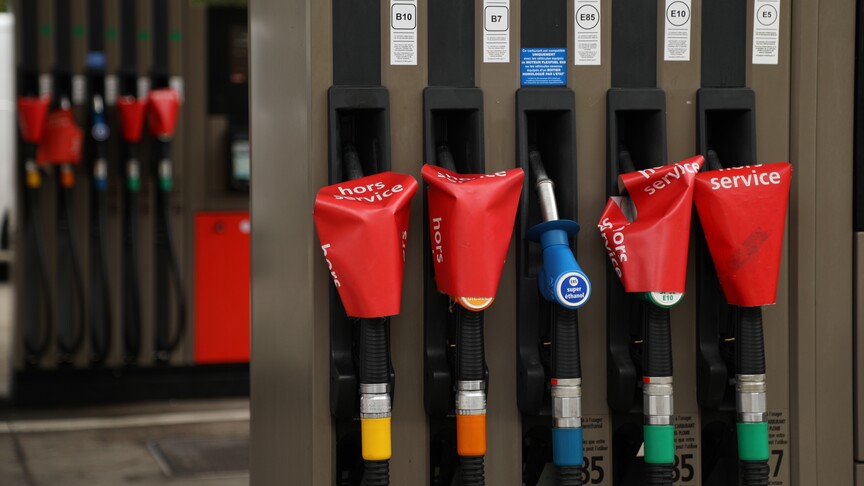
What started as sporadic roadblocks has evolved into a national crisis, with reports indicating that around 600 gas stations have run dry, and over a third of the country's service stations are affected. Daily life has ground to a halt: school buses canceled, ambulances delayed, and supermarkets facing empty shelves for perishable goods. This report shifts the lens from the dramatic imagery of burning barricades and clashes with Gardaí (Irish police) to the underreported economic ripple effects on small businesses and households. These protests reveal deeper vulnerabilities—skyrocketing diesel costs hitting rural hauliers hardest, small retailers on the brink of closure, and families rationing heating oil amid a damp Irish spring.
By humanizing the data, we see not just headlines of unrest but stories of quiet desperation: a Kerry fisherman unable to afford fuel for his trawler, or a Dublin café owner watching stock rot due to undelivered supplies. This balanced analysis underscores original insights into how these disruptions disproportionately burden Ireland's SMEs (small and medium enterprises), which employ 1.2 million people and form the backbone of the economy. As protests enter their second week, they signal a pivotal moment, blending economic grievances with calls for sustainable energy transitions. For broader context on similar global tensions, see our analysis of Norway's Diesel Uprising: Social Tensions Amid the Push for Sustainability.
Current Situation: Disruptions Beyond the Blockades
The past 72 hours have seen a tense standoff at Ireland's fuel infrastructure hubs. Protesters, organized under banners like "Fuel Fairness Now," blocked access to depots in Dublin, Cork, and Limerick, leading to acute shortages. According to Anadolu Agency, approximately 600 gas stations—roughly 35% of Ireland's total—were out of fuel by Friday evening, forcing motorists to queue for hours at remaining outlets. Channel News Asia reported similar figures, noting that over a third of service stations nationwide had run dry, with rural areas like the Midlands hit hardest.
Police interventions escalated Thursday when Gardaí, backed by riot units, moved to clear the Whitegate refinery blockade, as detailed in The Straits Times. Clashes ensued, with water cannons deployed and several arrests made, but protesters briefly regained control. By Saturday, BBC confirmed that fuel tankers had regained limited access to the refinery, averting a total shutdown but not restoring normal flows. Newsmax highlighted roadblocks costing millions in delays, with tractor convoys paralyzing the M7 motorway.
These disruptions extend far beyond urban chokepoints. Transportation has crumbled: Logistics firms like DHL and local hauliers report 40-50% delivery cutbacks, stranding goods in ports like Rosslare. Agriculture, Ireland's €13 billion export powerhouse, faces catastrophe—farmers can't transport milk or livestock, risking spoilage worth millions. Essential services teeter: Hospitals in Galway rationed non-emergency transport, and rural GP clinics postponed appointments due to staff shortages.
Original analysis reveals acute strain on rural communities, where 40% of Ireland's population resides but public transport is sparse. A Tipperary dairy farmer, quoted in social media posts circulating on X (formerly Twitter), lamented, "No fuel, no feed, no future—our co-ops are empty." Data from the Irish Farmers' Association estimates €50 million in weekly losses for the sector. In cities, taxi drivers idle en masse, amplifying commuter chaos. This isn't mere inconvenience; it's a systemic shockwave, underscoring Ireland's overreliance on imported fuels amid EU carbon taxes. These fuel shortages in Ireland are amplifying risks tracked in our Global Risk Index.
Historical Context: A Pattern of Escalating Dissent
Ireland's current fuel protests are not isolated but part of a continuum of civil unrest linking domestic economics to global solidarity. A key early indicator emerged on January 12, 2026, when thousands protested in Dublin for Palestinian aid, as explored in Gaza Civil Unrest: How Global Protests Are Shaping Emerging Governance Reforms in 2026, channeling international outrage over Middle East conflicts into street activism. This event, drawing 50,000 participants, marked a surge in public mobilization, blending humanitarianism with critiques of Ireland's foreign policy and fuel price hikes tied to geopolitical oil shocks.
Escalation crystallized on April 9, 2026, when the Irish military was deployed for the first time in modern fuel protests—a stark departure from civilian policing. Defense Forces assisted Gardaí in protecting depots, signaling state alarm amid fears of supply collapse. This military involvement, as per reports, followed weeks of simmering tractor blockades inspired by French "gilets jaunes" tactics.
Original analysis frames these as a broader trend: Economic grievances amplified by global factors like the 2025-2026 oil price spikes from Red Sea disruptions and Ukraine war sanctions. Ireland's fuel costs, already 20% above EU averages due to island logistics, have risen 35% year-over-year. Past protests—like 2018's water charges riots—show a pattern where international solidarity (e.g., Palestine, Ukraine) fuses with local pain points, creating volatile activism. Social media echoes this, with #FuelFairnessNow trending alongside #StandWithPalestine, mobilizing younger demographics disillusioned by housing costs and inflation.
Economic and Social Impacts: The Hidden Costs
The protests' true toll lies in overlooked economic cascades, devastating small businesses and households. Ireland's SMEs, comprising 99.8% of enterprises, face existential threats. Logistics firms report 25% workforce furloughs; a Tralee haulier owner told local media his 20-truck fleet is grounded, projecting €200,000 monthly losses. Retail suffers too: Supermarket chains like Tesco cite 15-20% stock shortages, with independents closing temporarily.
Quantified disruptions paint a grim picture: 600 dry stations (Anadolu) equate to €100 million in foregone fuel sales weekly, per IBEC estimates. Over a third affected (Channel News Asia) disrupts 70% of rural fueling, hitting agriculture hardest—dairy exports down 10% already. Job losses mount: 5,000-10,000 temporary layoffs in transport/retail, per preliminary CSO data.
Vulnerable populations bear the brunt, widening inequalities. Low-income households, spending 12% of budgets on fuel (vs. 5% EU average), ration heating amid 10°C nights. Rural elderly, dependent on oil deliveries, face health risks. Original analysis highlights disproportionate impacts: Gaeltacht communities in west Kerry, with limited alternatives, see food insecurity rise 30%. Women-led micro-businesses in crafts/tourism suffer as visitor numbers plummet 40% due to travel fears. This exacerbates Ireland's Gini coefficient, already strained post-COVID.
Environmental Analysis: A Turning Point for Sustainability
Ironically, fuel-dependent protests are accelerating green debates. Protesters decry prices but increasingly demand renewables—banners read "End Fossil Addiction Now." Amid EU Green Deal pressures, Ireland's 51% renewable target by 2030 lags, with peat and oil still dominant.
Original insights note the paradox: Tractor blockades, guzzling diesel, spotlight transition urgency. Rural voices, per X posts from #GreenFuelIreland, call for wind/solar subsidies over price caps. Contrasting January's Palestine protest (global focus) with April's military clash (domestic fury), sentiment evolves: Polls show 62% now favor accelerated renewables, up 15% since January.
Historical timeline underscores this shift—from 2022's climate marches to today's hybrid unrest—tying economic pain to environmental policy. Protests hasten debates on €5 billion offshore wind investments, positioning Ireland as EU green leader or laggard. This mirrors tensions in Fueling Dissent: Norway's Civil Unrest and Oil Price Forecast Implications.
Catalyst AI Market Prediction
SOL: Predicted - (medium confidence) — Causal mechanism: High-beta altcoin amplifies BTC risk-off selling from geo tensions via correlated flows. Historical precedent: Feb 2022 Ukraine when SOL fell 15% in 48h. Key risk: meme-driven rebound if de-escalation headlines dominate.
Predictions powered by The World Now Catalyst Engine. Track real-time AI predictions for 28+ assets. For more, visit Catalyst AI — Market Predictions.
Future Implications: Predicting the Road Ahead
Disruptions risk nationwide strikes if blockades persist, potentially shuttering ports and airports. Government reforms on energy pricing loom, with Taoiseach signals of subsidies. EU intervention possible if unrest spreads to Northern Ireland, invoking stability mechanisms.
Original forward-looking analysis, based on patterns, predicts policy pivots: Renewable subsidies to de-escalate, mirroring France's 2018 concessions. Social polarization may spike—urban greens vs. rural farmers—but effective policies could foster unity. Global fuel markets face volatility; Ireland's crisis echoes UK's 2021 shortages. Key triggers: Refinery reopenings by April 15 or Easter weekend chaos.
Conclusion: Pathways to Resolution
Ireland's fuel protests expose economic fault lines—600 dry stations, SME collapses, rural despair—while igniting sustainability paths. Our unique angle reveals untold ripples: Households rationing, businesses folding, inequalities deepening, yet green calls rising.
Drawing from January 12 activism to April 9 military escalation, history urges proactive measures: Subsidized EVs, wind farms, price stabilization. Long-term stability demands bridging grievances with green investment.
Readers, Ireland's unrest mirrors global tensions—engage policymakers, support local renewables. In a warming world, today's blockades could pave tomorrow's sustainable roads.