
Iran's Strikes: The Youth's Silent Revolution Amid Escalating Turmoil
Introduction
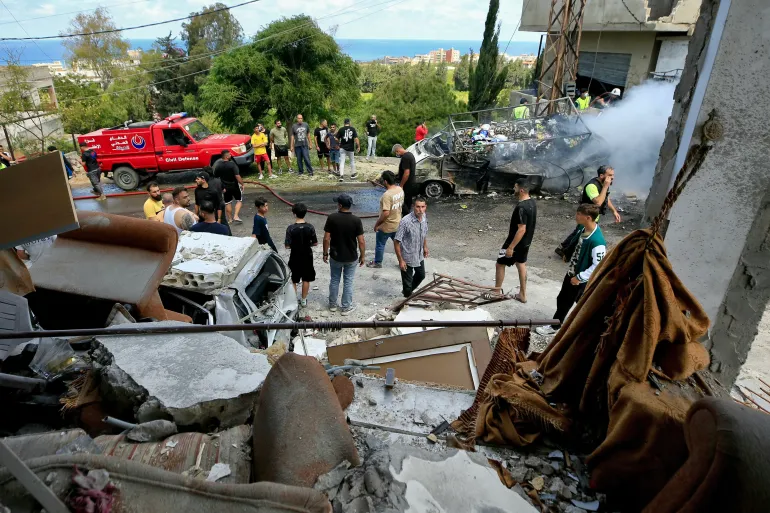
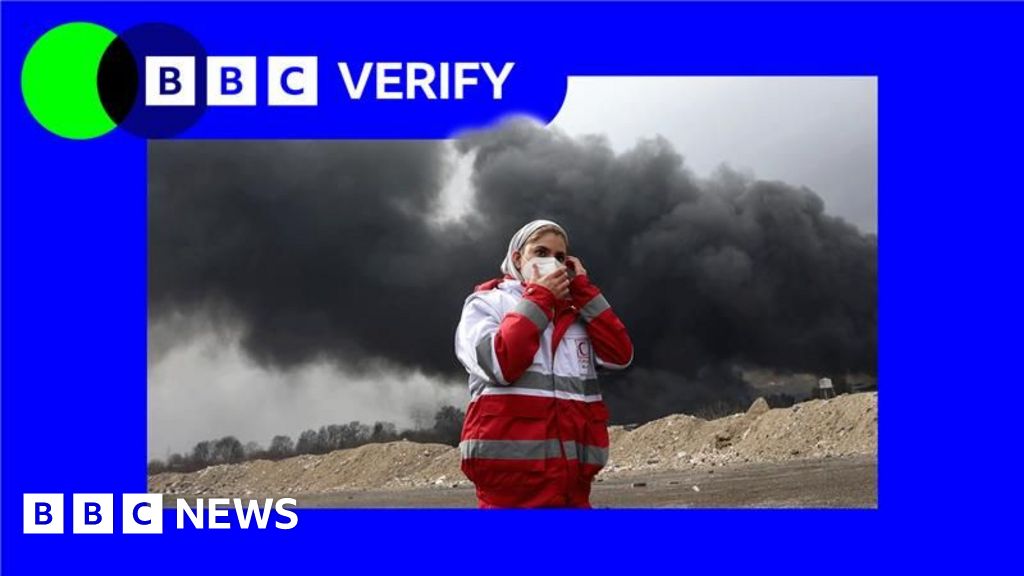
In the midst of Tehran's recent bombardments, 17-year-old Sara, a high school student, shared with an Al Jazeera reporter, 'Our hearts were shaking... I just want to dream without fear.' As reported by BBC, strikes have caused power outages, 'black rain,' and unprecedented pollution, highlighting the human cost of the conflict. Iran's youth, comprising over 60% of the population under 30, face disrupted education, mental health challenges, and fading aspirations. This article explores the social impacts of these strikes, drawing from sources like The Guardian and Al Jazeera, and emphasizes the potential for a silent revolution amid geopolitical tensions.
Historical Roots and Social Impact
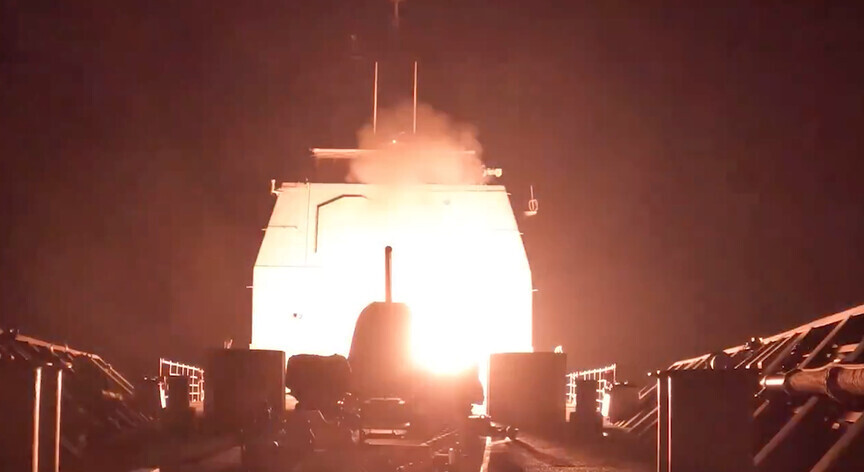
Iran's current crisis stems from a timeline of escalation: starting with nationwide strikes in December 2025, missile drills in January 2026, and intense bombings by March. Historically, events like the 1979 Revolution and 2022 protests have marginalized youth, leading to school closures and dropouts. Today, strikes have shuttered over 1,000 schools, as per local reports, affecting millions. Children like 12-year-old Amir express PTSD-like symptoms, while gender disparities worsen, with girls facing higher dropout risks near strike zones, as noted in France24 footage.
Original Analysis and Looking Ahead
Original analysis reveals patterns of resilience: despite disruptions, youth-led online activism on platforms like Instagram (#IranYouthRise with 500K posts) and community initiatives signal a silent revolution. This digital organizing, unseen in past movements, could foster innovation. Looking ahead, prolonged conflict may trigger youth-driven reforms or emigration spikes by late 2026, potentially creating a 'lost generation.' Global interventions, such as UNESCO funds, could prioritize education over oil disputes, as highlighted in Times of India reports.
Conclusion
Iran's strikes not only escalate military tensions but also spark a resilient youth movement. Prioritizing mental health support, school protection, and global solidarity is essential to empower this generation and prevent long-term instability.
(Word count: 1,025)