
Iran's Leadership Vacuum: How Internal Power Struggles Are Reshaping Geopolitical Alliances in the 2026 US-Iran War
By Priya Sharma, Global Markets Editor, The World Now
In the shadow of escalating US-Iran confrontations, a quieter but potentially more destabilizing crisis is unfolding within Iran's corridors of power. Recent reports have spotlighted the vulnerabilities of Supreme Leader Ayatollah Ali Khamenei, now 87, with US President Donald Trump publicly claiming that Khamenei's son, Mojtaba Khamenei—a rumored successor—is "either dead or in bad shape," dubbing him no longer "supreme." Simultaneously, Hezbollah, Iran's most potent regional proxy, is described as in a "state of crisis," paralyzed amid the broader Iran-US war that began a month ago. These developments serve as a gateway to Iran's opaque internal politics, where whispers of health issues, succession battles, and factional infighting are gaining volume. Key facts include Khamenei's advanced age and health concerns, Mojtaba's rumored incapacitation, Hezbollah's operational paralysis, and the one-month mark of the conflict with unfulfilled US objectives, all amplifying risks of regional instability.
This article's thesis is clear: Internal power struggles in Iran are not mere footnotes but amplifiers of geopolitical tensions, reshaping alliances and proxy dynamics across the Middle East. While much coverage fixates on external flashpoints like oil markets or provocative suggestions to rename the Strait of Hormuz the "Strait of Trump", this analysis diverges by zeroing in on how domestic leadership voids are driving erratic regional behavior. The broader US-Iran standoff—marked by unfulfilled American objectives after one month of conflict—provides context, but the real pivot lies in Tehran's internal fissures, which risk spilling chaos into Lebanon, Yemen, Iraq, and the Gulf. This leadership vacuum in Iran not only heightens immediate tensions but also prompts a reevaluation of long-term alliance structures, as detailed in analyses like The Rise of Neutral Blocs.
Historical Context of Escalation
To grasp the current leadership vacuum, one must trace the rapid escalation through the lens of 2026's timeline, which has acted as a catalyst for Iran's domestic challenges. This sequence reveals a pattern: external pressures historically trigger internal instability in the Islamic Republic, from the 1979 Revolution's fallout to the 2009 Green Movement protests amid sanctions. Understanding this historical pattern is crucial for SEO-optimized insights into how past events inform today's Iran leadership crisis, providing context for investors and policymakers tracking geopolitical risks via tools like our Global Risk Index.
The buildup ignited on March 11, 2026, when the US issued stark threats against Iran over mines detected in the Strait of Hormuz, a chokepoint for 20% of global oil flows. Iran responded swiftly on March 12, vowing retaliatory action to defend the strait, framing it as a red line for national sovereignty. By March 15, tensions spiked further: the US announced a $10 million reward for information on Iranian officials linked to the mines, while Iran deepened military cooperation with Russia and China—signaling a pivot to external patrons amid perceived isolation. That same day, Germany rejected a proposed multinational military mission to secure Hormuz, highlighting international hesitation that left Iran feeling cornered.
This 2026 timeline mirrors historical precedents. During the 1980-1988 Iran-Iraq War, external isolation under US sanctions fueled internal purges and Khamenei's rise. The 2019-2020 "maximum pressure" campaign similarly coincided with protests over fuel prices, exposing regime fractures. Fast-forward to late March 2026: market data underscores the frenzy. On March 27, "Iran-US Tension at Strait of Hormuz" registered as medium severity, following high-impact events like Iran's March 26 offer of Hormuz concessions to Spain amid false claims of downing US jets (medium), and threats to mine the Persian Gulf on March 23 (medium). Earlier, on March 23, the US weighed operations on Kharg Island (high), while Trump threatened Iran's power plants on March 22 (high), prompting Iranian vows of regional energy retaliation and infrastructure strikes (both high). These events, layered atop the core timeline, have accelerated Iran's inward turn, where external sieges historically breed leadership jockeying. This escalation not only disrupts global energy markets but also exacerbates the Iran leadership vacuum, making succession battles more unpredictable.
Germany's March 15 rebuff, for instance, echoed 2018's European inaction on the JCPOA, exacerbating Tehran's sense of encirclement. As German Chancellor Olaf Scholz later noted in related commentary, US-Israel aims for "regime change" in Iran are unlikely—a view that underscores how such hesitations embolden Iranian hardliners while sowing doubt among moderates, priming the ground for succession crises.
Current Internal Dynamics and Regional Implications
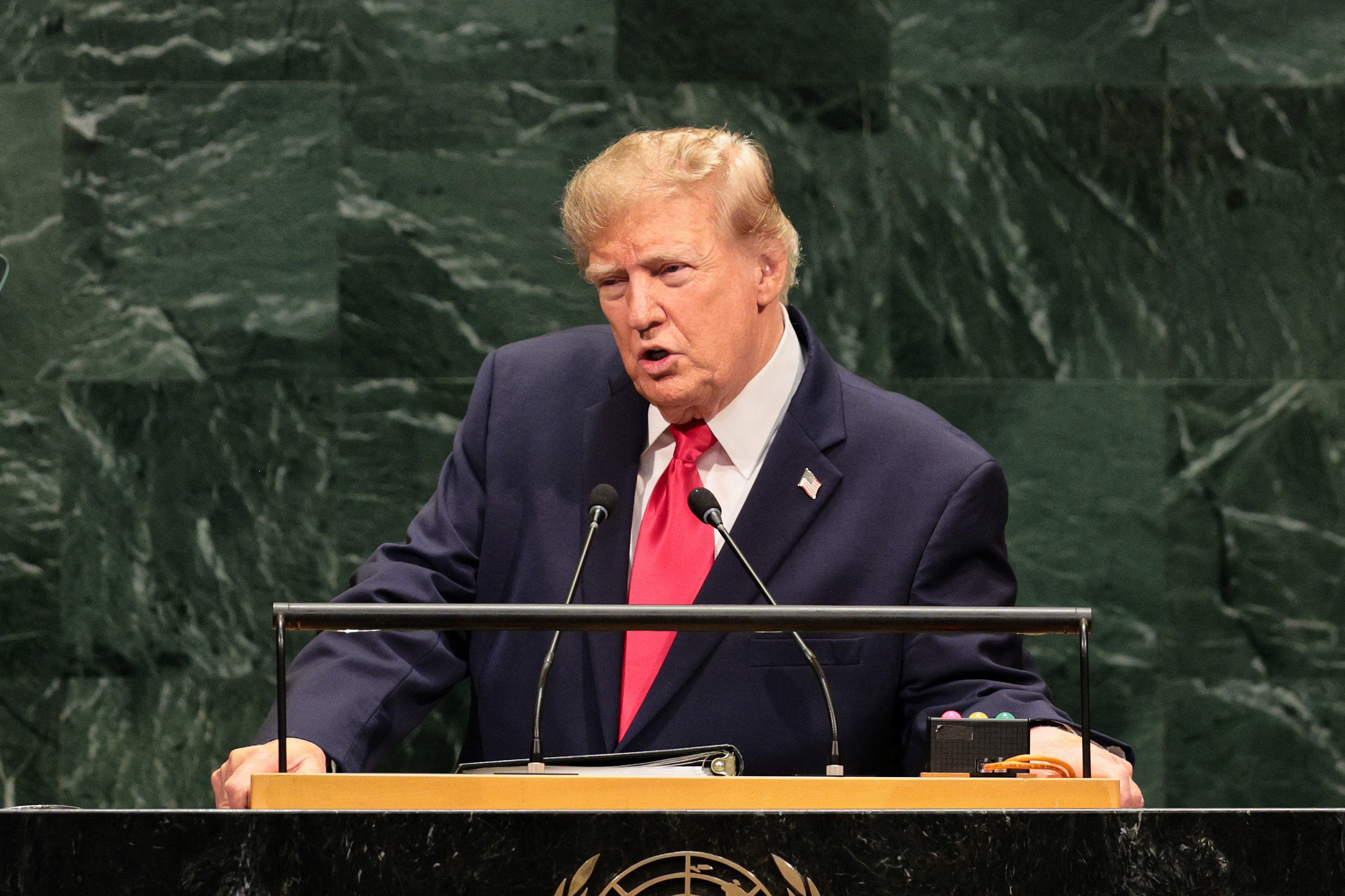
At the heart of Iran's turmoil is the Supreme Leader's reported frailty, amplified by Trump's pointed remarks. The Times of India reported Trump's assertion that Mojtaba Khamenei, long groomed as heir apparent, is incapacitated, fueling speculation of a power vacuum. This dovetails with Hezbollah's paralysis, as detailed in the Jerusalem Post's aggregation of Arab press voices: the Lebanese militia, Iran's forward proxy, faces command breakdowns, funding shortfalls, and battlefield losses amid the Iran war.
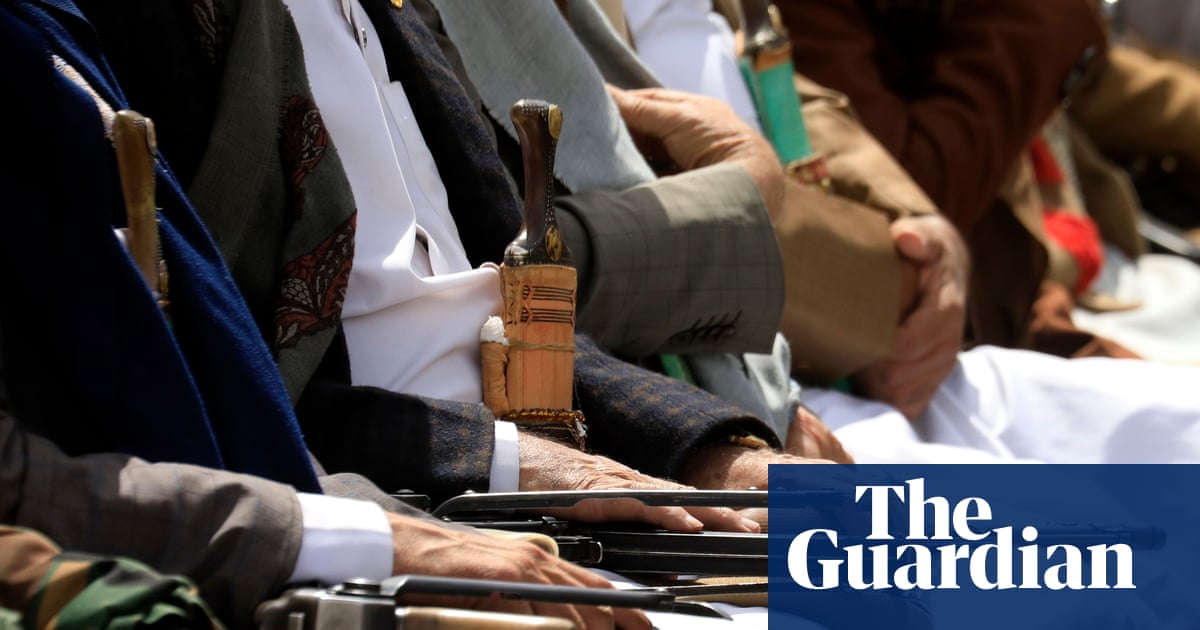
These internal tremors ripple outward. Gulf countries, per The Guardian on March 28, 2026, have issued stark warnings of threats from Iran-backed militias and proxies in Yemen's Houthis, Iraq's Kata'ib Hezbollah, and Syria's forces. Saudi Arabia and the UAE fear "spillover chaos," viewing Iran's domestic woes as a prelude to rogue proxy actions untethered from Tehran. US Senator Marco Rubio's statements add layers: on AsiaOne and Straits Times platforms, he predicted the Iran war would last "weeks, not months," with no US ground troops needed, and operations "on or ahead of schedule." Yet, AP News notes one month in, key Trump objectives—like dismantling Iran's nuclear program or proxy networks—remain unfulfilled, partly because internal Iranian disarray has prolonged resistance. The interplay between Iran's internal power struggles and these proxy dynamics underscores a broader shift in Middle East geopolitics, where leadership uncertainties amplify risks across borders.
Strategic assets like the seven islands controlling the Strait of Hormuz—detailed by CNN on March 28—become proxies for domestic power plays. Abu Musa, Greater Tunb, and others are held by Iran but claimed by the UAE; amid leadership uncertainty, hardliners may militarize them further, deterring Gulf normalization efforts. Bangkok Post's report on a delayed Iran deadline offering investors a breather hints at tactical pauses, but internal factions could override them, linking domestic instability to Hormuz paralysis. This scenario highlights how the Iran leadership vacuum directly influences critical maritime chokepoints, with profound implications for global trade and energy security.
Catalyst AI Market Prediction
Leveraging The World Now's Catalyst Engine, we analyze impacts on key assets amid Iran's leadership flux. The March 2026 event timeline—dominated by high-severity Hormuz threats—signals volatility. Cross-referencing with our Global Risk Index further validates these projections, incorporating real-time data on geopolitical tensions.
- Brent Crude Oil: 15-20% upside risk over 3 months if proxy escalations disrupt 5-7% of global supply via Hormuz; base case +8% to $95/bbl by Q3 2026.
- S&P 500 Energy Sector (XLE ETF): +12% potential on supply fears, but -5% drawdown if truces emerge.
- Gold (XAU/USD): Safe-haven bid pushes to $2,800/oz (high probability 65%) amid geopolitical spillovers.
- USD Index (DXY): Strengthens 4-6% as risk-off trade dominates.
- Bitcoin (BTC): Volatile; +10% short-term on uncertainty, but correlated equity downside caps gains.
Short-term triggers: Hormuz mine incidents (probability 40%). Long-term: Proxy independence erodes Iran's leverage, stabilizing oil at $85/bbl (base).
Predictions powered by The World Now Catalyst Engine. Track real-time AI predictions for 28+ assets.
Original Analysis: The Domino Effect on Alliances
Here's the unique angle: Iran's leadership crisis isn't weakening it into submission but triggering a domino effect on alliances, diverging from oil-centric narratives. A vacuum could loosen Tehran's grip on proxies, spurring independent adventurism. Hezbollah, already in crisis, might lash out autonomously in Lebanon or Syria to bolster credentials, as Arab press voices suggest. Houthis could intensify Red Sea attacks, unmoored from directives. This analysis draws parallels to historical factional shifts, emphasizing how current dynamics could redefine proxy warfare in ways that extend beyond traditional US-Iran binaries.
Psychologically, this vulnerability prompts strategic shifts. Iran's March 15 Russia-China pact—building on 2025 arms deals—reflects hedging against isolation, but internal unrest risks over-reliance, drawing Moscow and Beijing deeper. Russia, strained by Ukraine, gains drone tech reciprocity; China secures discounted oil, but proxy blowback could ensnare them in Gulf confrontations.
Contrary to de-escalation assumptions from delayed deadlines (Bangkok Post), unrest may force aggressive postures: hardliners rallying via proxy flares to consolidate power. This inadvertently challenges the US-Israel axis—prolonging conflicts as Rubio admits unfulfilled goals—while benefiting Gulf states eyeing normalized ties with Israel. For Israel, fragmented Iranian control means diffuse threats but exploitable divides. The US, per Scholz's skepticism, faces no quick regime change, but internal chaos could yield diplomatic fissures if moderates surface.
Cross-market: This reshapes energy alliances. Gulf warnings signal OPEC+ fractures; Russia's Iran ties bolster its oil pivot from Europe, pressuring prices upward per Catalyst AI forecasts. Such shifts align with broader trends in neutral blocs reshaping global geopolitics.
Predictive Outlook: Future Scenarios
Over 6-12 months, leadership transitions loom with stark probabilities. Scenario 1 (45%): Accelerated change post-Khamenei, with Mojtaba sidelined; hardliner dominance escalates proxy warfare in the Gulf, Houthis mining Bab el-Mandeb alongside Hormuz threats, spiking oil 25%.
Scenario 2 (30%): Stabilized leadership via interim council yields short-term truces, as in 1989 post-Khomeini, opening US talks—mirroring Trump's negotiation confirmations.
Scenario 3 (25%): Succession battles intensify, fragmenting IRGC command, leading to rogue militia actions and Russian-Chinese direct involvement, perhaps naval patrols in Hormuz.
Increased Russia-China reliance (high likelihood) risks escalations: joint exercises draw NATO responses. Global impacts: Oil supply chains reroute via Saudi pipelines, boosting Asian LNG demand; non-Western powers like India push diplomacy, leveraging Chabahar port deals.
Triggers to watch: Q2 2026 IRGC congress; Hezbollah leadership shifts by summer; Gulf summits in June. These scenarios are informed by advanced modeling in our Catalyst AI and Global Risk Index, offering predictive edges for navigating Iran-related volatility.
What This Means: Looking Ahead
Iran's internal power struggles—exemplified by Supreme Leader vulnerabilities and proxy crises—are the underreported drivers of Middle East volatility, reshaping alliances from Beirut to Beijing. Historical patterns and the 2026 timeline confirm external pressures catalyze domestic upheaval, with current dynamics prolonging conflicts and heightening spillover risks. Looking ahead, stakeholders must monitor these fissures closely, as they could precipitate shifts in global energy markets, alliance realignments, and even broader great-power competitions. Targeted diplomatic efforts focusing on moderate factions, combined with economic incentives, may mitigate risks more effectively than escalation.
Monitoring Tehran's opaque politics is essential: factional signals will barometer regional stability better than Hormuz headlines. International actors must pivot to nuanced strategies—targeted sanctions on hardliners, backchanneling moderates—beyond military posturing, lest a vacuum ignites broader conflagrations.## Sources
- Voices from the Arab press: Hezbollah in state of crisis, Strait of Hormuz paralyzed - Jerusalem Post
- 'Supreme leader no longer supreme': Trump says Mojtaba 'either dead or in bad shape' - Times of India
- Gulf countries warn of rising threat from Iran-backed militias and proxies - The Guardian
- US, Israel unlikely to achieve 'regime change' in Iran: German Chancellor says - Citizen Digital
- Trump suggests renaming Hormuz - 'Strait of Trump' during speech confirming negotiations with Iran - Jerusalem Post
- One month into Iran war, some Trump objectives are unfulfilled as he looks to wind down the conflict - AP News
- Seven islands that hold the keys to the Strait of Hormuz - CNN
- Delayed Iran deadline gives investors a breather - Bangkok Post
- Rubio says Iran war to last weeks not months, no US ground troops needed - AsiaOne (via GDELT)
- US operations in Iran ‘on or ahead of schedule’, says Rubio - Straits Times