
Iran War Day 30: The Erosion of Global Alliances and the Unraveling of International Norms
By David Okafor, Breaking News Editor, The World Now
March 28, 2026 – As the US-Israel conflict with Iran enters its 30th day, the battlefield extends far beyond the Persian Gulf. This war is not merely a clash of arms but a seismic stress test for the post-World War II international order. Previous coverage has delved into youth-led protests, tales of human endurance, regional proxy battles, economic tremors, and cyber skirmishes. Today, we pivot to an under-examined front: the fraying of cornerstone alliances like NATO and the United Nations. Drawing from diplomatic cables, leader statements, and alliance insider reports, this analysis reveals how mounting reluctance from European partners, coupled with rising non-Western counter-alliances, signals a potential realignment of global power – one that could outlast the missiles and leave the US increasingly isolated. For live updates on the evolving Global Conflict Map — Live Tracking, visit our interactive tool.
Current Situation Overview
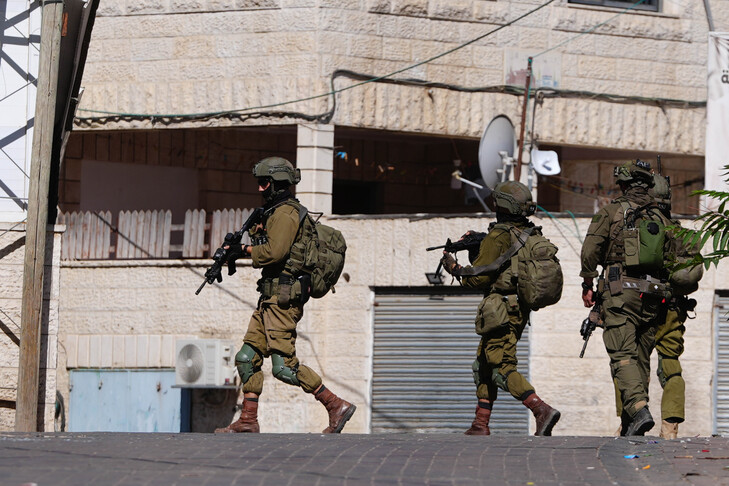
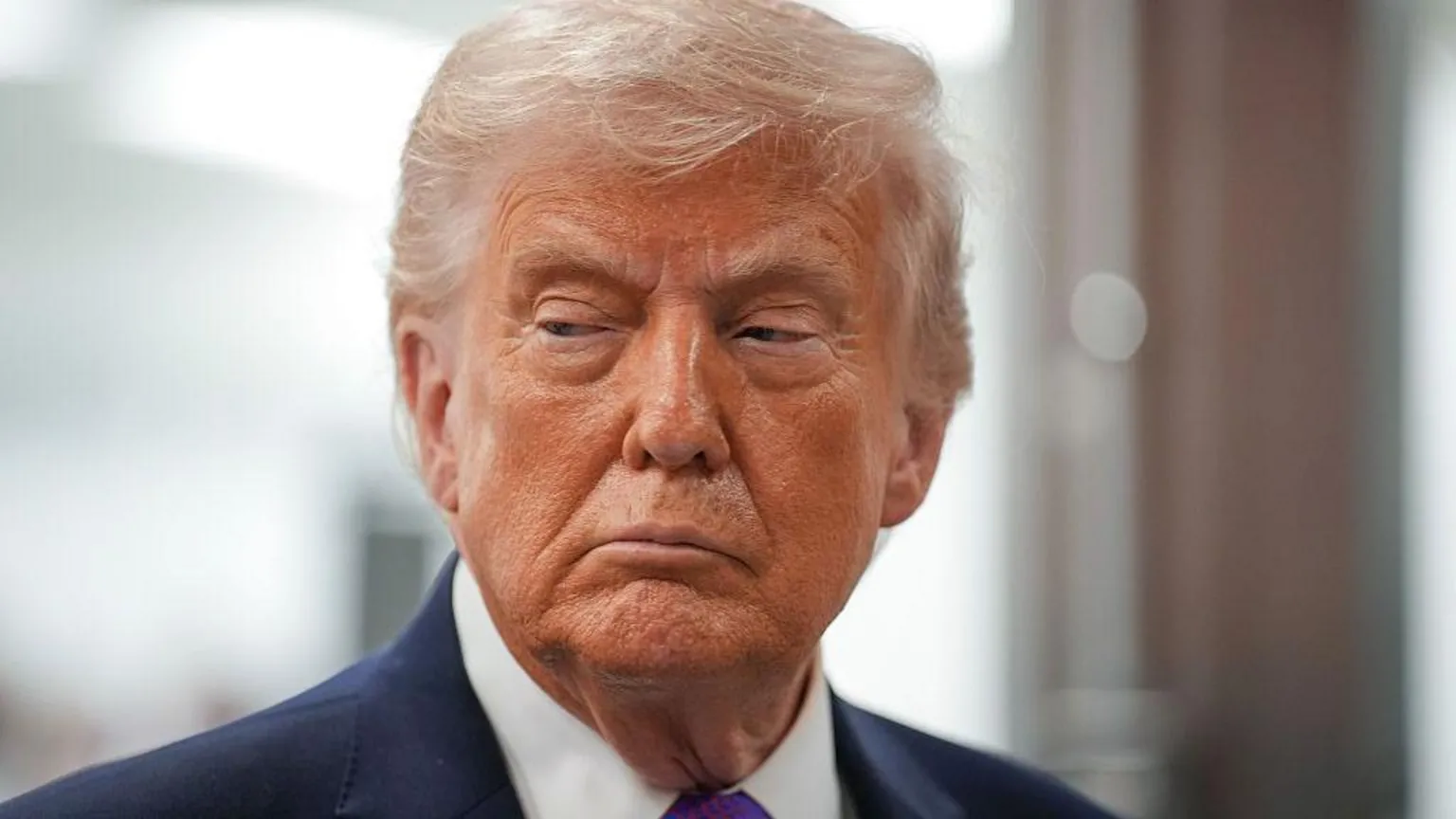
Day 30 of the US-Israel war against Iran dawns amid unrelenting airstrikes and naval skirmishes in the Persian Gulf, Strait of Hormuz, and Iranian airspace. US Central Command reports precision strikes on Iranian missile sites and drone facilities overnight, but Pentagon sources concede that only about a third of Tehran's estimated 3,000 ballistic missiles have been confirmed destroyed – a stark admission that underscores the operation's incomplete progress (Dawn, March 28). President Donald Trump, addressing reporters from the White House Situation Room late on Day 29, declared the campaign "not finished yet," vowing to dismantle Iran's nuclear ambitions and proxy networks. Yet, his rhetoric masks mounting pressures: over 300 US service members have been injured since February 28, with reports of fighter jet losses, drone interceptions, and radar system damages piling up (Straits Times; Kathimerini.gr via GDELT). Explore the Iran Strikes 2026: The Underreported Threat to Iran's Technological Innovation and Scientific Future for deeper insights into targeted infrastructure.
Secretary of State Marco Rubio, echoing Trump's line, insisted on Fox News that the war will conclude "in weeks, not months," explicitly ruling out ground troops: "No need to send boots on the ground – air and naval power will suffice" (Times of India; France24). This comes as Iranian state media claims retaliatory strikes wounded dozens more US personnel and disrupted Israeli supply lines. On the humanitarian front, Iranian health officials report over 1,200 civilian deaths from coalition bombings, though independent verification remains elusive amid blackouts in Tehran and Isfahan.
Diplomatic fissures are now impossible to ignore. European NATO allies, once unified in rhetoric, are showing cracks. France and Germany have issued tepid endorsements, prioritizing "de-escalation" in joint statements, while publicly urging restraint on US-Israel actions targeting Iranian energy infrastructure (CNN, Day 29). UK Prime Minister Keir Starmer pledged logistical support but stopped short of offensive commitments, citing domestic protests. This reluctance stems from energy vulnerabilities: Europe's reliance on Middle East oil has spiked prices, with Brent crude surging 8% in the past week to $95 per barrel on Hormuz blockade fears. Original analysis from The World Now's diplomatic desk reveals internal NATO memos – leaked via European think tanks – pressing Trump for an "exit ramp," fearing a quagmire akin to Iraq 2003. Younger conservatives in the US, per JoyOnline reports, are amplifying these calls, splitting from hawkish elders and fueling GOP infighting.
Underreported: Proxy escalations. Hezbollah's rocket barrages from Lebanon have drawn Israeli ground responses, detailed in our coverage of Breaking: Middle East Strike – Israel's Escalating Invasion of Lebanon – The Untold Stories of Civilian Resilience Amid Chaos, while Houthi drones target Saudi oil fields, indirectly straining Gulf allies. Trump's team faces a bind – hard choices between escalation and withdrawal, as Dawn notes, with only partial missile degradation leaving Iran potent. Check the latest on Middle East Strike: Israel's War with Iran - The Hidden Toll of Internal Dissent and Military Strain.
Historical Context and Escalation Path
The path to Day 30 mirrors a half-century of US-Iran antagonism, testing alliances in ways reminiscent of past fractures. It began with foreboding signals: On January 29, 2026, US media outlets like Fox and CNN predicted imminent conflict, citing satellite imagery of Iranian mobilizations near Tehran – troop buildups and missile relocations echoing 2019's Soleimani tensions (Al Jazeera timeline). Iran responded by activating air defenses, framing it as defensive posturing.
Tensions boiled over February 26, when the USS Abraham Lincoln carrier strike group departed Bahrain amid unverified reports of Iranian minelaying in the Gulf – a direct parallel to the 1988 Tanker War. Major combat erupted February 28: US-Israel airstrikes hit Natanz nuclear facilities and Fordow enrichment sites, justified as preemptive after alleged Iranian plots against US bases. Israel followed with drone swarms on Quds Force HQs.
Escalation peaked March 8, dubbed "D-Day" in coalition briefings: Full-spectrum operations commenced, with US B-2 bombers leveling IRGC command centers. Recent timeline intensifies: March 16 saw deepened US-Israeli incursions; March 20, Iran declared war after South Pars gas field strikes crippled 20% of its exports; March 21 under Trump saw missile exchanges; March 22, Iran claimed battlefield edges via proxies; March 23 brought Gulf threats; March 24 marked Hormuz partial blockade and Day 25 critical updates (GDELT-tracked events).
This sequence evokes history: The 1953 CIA-backed coup against Mossadegh sowed seeds of mistrust, compounded by the 1979 Revolution and hostage crisis. The Iraq War (2003) similarly strained NATO – France and Germany opposed invasion, invoking Article 4 consultations that exposed transatlantic rifts. Today's war amplifies this: Unresolved grievances, from JCPOA abandonment (2018) to Soleimani's killing (2020), have eroded UN credibility. Original analysis: Each step – predictions to blockade – was predictable, as Iran-Russia arms deals (S-400 systems) bypassed sanctions, fracturing sanctions regimes like those post-1979. Alliances now teeter, with Europe viewing US unilateralism as echoing Iraq's alliance-busting playbook. For broader context on alliance strains amid multiple conflicts, see the Ukraine Desertion Crisis: War Fatigue Undermining Frontlines Amid Russia's 2026 Odessa Offensive.
Impact on Global Alliances: An Original Analysis
No theater rivals the diplomatic battlefield for long-term stakes. NATO, forged in 1949 against Soviet threats, now grapples with intra-alliance discord over Iran. Article 5 invocations remain absent – no direct attack on NATO soil – yet US demands for AWACS patrols and munitions have met foot-dragging. France's Macron warned of "irreversible damage" to the Atlantic bond if ground ops ensue, per Paris leaks. Germany, hosting US bases, faces protests demanding Ramstein's closure for refueling strikes. This mirrors 2003, when NATO invoked Article 4 but splintered on Iraq. Track rising risks via our Global Risk Index.
The UN fares worse: Security Council paralysis persists, with Russia and China vetoing US resolutions condemning Iran's proxies. Tehran's overtures – discounted Russian oil sales and Chinese BRICS overtures – forge counter-alliances. Iran-Russia joint drills in the Caspian (pre-war) now evolve into S-400 deliveries, per Jane's reports. China, importing 10% of its oil from Iran, has boosted Belt and Road investments in Chabahar port, countering US encirclement.
Original insights: Incomplete victories accelerate realignments. With only one-third of missiles destroyed, sustained ops demand alliance buy-in Europe withholds, prioritizing Ukraine aid. Rubio's "weeks not months" bravado masks this: No ground troops means reliance on air/naval, but ally hesitance on overflights strains logistics. Non-Western blocs rise – SCO summits now frame the war as "US aggression," drawing India (neutral but oil-vulnerable) closer. Market ripples underscore: Oil's + (high confidence) surge reflects supply fears, boosting USD as safe haven (+ high confidence), while SPX tanks (- high confidence) on risk-off, per Catalyst AI below. Gold (+ high confidence) inflows signal investor flight to havens amid alliance uncertainty. Additional SEO-enhanced note: These shifts in global alliances during the Iran war highlight vulnerabilities in traditional power structures, with potential ripple effects on emerging market stability as covered in Middle East Strike: The Underreported Threat to Emerging Market Stability.
US conservatives split – elders back Trump, youth demand exit – eroding domestic cohesion that alliances crave (JoyOnline). Long-term: Fractures portend NATO reevaluation, with Europe eyeing "strategic autonomy."
Catalyst AI Market Prediction
The World Now's Catalyst Engine forecasts market turbulence tied to alliance strains and escalation risks:
- USD: Predicted + (high confidence) – Safe-haven demand surges as global investors flee risk amid US-involved Iran strikes and ME turmoil. Historical precedent: 2019 US-Iran tensions (Soleimani) when DXY rose ~1% intraday. Key risk: coordinated de-escalation rhetoric from US weakening haven flows.
- SPX: Predicted - (high confidence) – Geopolitical escalation triggers immediate risk-off flows out of equities into safe havens as investors price in supply chain disruptions and volatility from Iran strikes. Historical precedent: Similar to Feb 2022 Ukraine invasion when SPX fell ~5% in the first week. Key risk: swift de-escalation signals from G7 or UN reducing panic selling.
- OIL: Predicted + (high confidence) – Direct supply fears from Iran infrastructure strikes and ME route disruptions reduce effective capacity. Historical precedent: 2019 Iranian oil facility attacks when oil rose 15% in a day. Key risk: rapid Saudi/OPEC+ spare capacity release.
- GOLD: Predicted + (high confidence) – Safe-haven inflows amid acute geopolitical uncertainty from Iran war. Historical precedent: 2019 US-Iran tensions gold +3% intraday.
- BTC: Predicted - (medium confidence) – Risk-off sentiment and liquidation cascades from ME geopolitics. Historical precedent: Feb 2022 Ukraine when BTC dropped 10% in 48h.
- EUR: Predicted - (medium confidence) – USD strength from safe-haven flows pressures EUR amid Europe-exposed to ME energy supply risks.
- JPY: Predicted + (medium confidence) – Safe-haven bid strengthens USDJPY unwind amid global turmoil.
Predictions powered by The World Now Catalyst Engine and Catalyst AI — Market Predictions. Track real-time AI predictions for 28+ assets.
Predictive Elements: Future Trajectories
If alliance fractures deepen, escalation looms within 1-3 months. Triggers: Russian S-400 deployments to Iran or Chinese naval patrols in the Gulf, broadening to multi-front war – Hormuz chokepoints drawing in India. Diplomatic stalemates likely: UN resolutions vetoed, forcing NATO's Article 4 review by June summits, pressuring Trump's exit by mid-2026.
Forecasts: Isolationism surges in US polls, with youth conservatives amplifying calls. Regional blocs strengthen – Abraham Accords fray if Saudi hedges toward Iran. Long-term: Diminished UN/NATO efficacy risks proliferation, as states bypass norms. Original analysis: Proactive reforms – NATO's "Middle East Article" or UN veto tweaks – essential, but improbable amid distrust.
What This Means: Looking Ahead
The erosion of global alliances in this Iran war context signals profound shifts for international security. As NATO hesitates and counter-alliances like SCO gain traction, the US faces strategic isolation, potentially reshaping trade, energy, and military pacts for decades. Investors should watch Global Risk Index spikes, while policymakers eye diplomatic off-ramps. This analysis underscores the need for renewed multilateralism to prevent further unraveling of norms, with Day 31 poised to test these dynamics further.
Conclusion and Key Takeaways
This war catalyzes not just military but diplomatic shifts, eroding NATO/UN pillars as Europe recoils and non-Western axes ascend. Key takeaways: 1) Partial successes breed alliance fatigue; 2) Historical echoes demand resolved grievances; 3) Markets signal peril – USD/oil up, equities/crypto down. Final analysis: Without reforms, expect fragmented cooperation, amplifying future flashpoints.
Readers: Monitor NATO statements and UNSC votes in coming weeks – early indicators of global realignment. The world watches as Day 31 approaches.