
The Rise of Neutral Blocs: How ASEAN and Islamic Alliances Are Reshaping Global Geopolitics Beyond US-China Rivalries
By Yuki Tanaka, Tech & Markets Editor, The World Now
Introduction: The Dawn of Neutral Geopolitical Forces
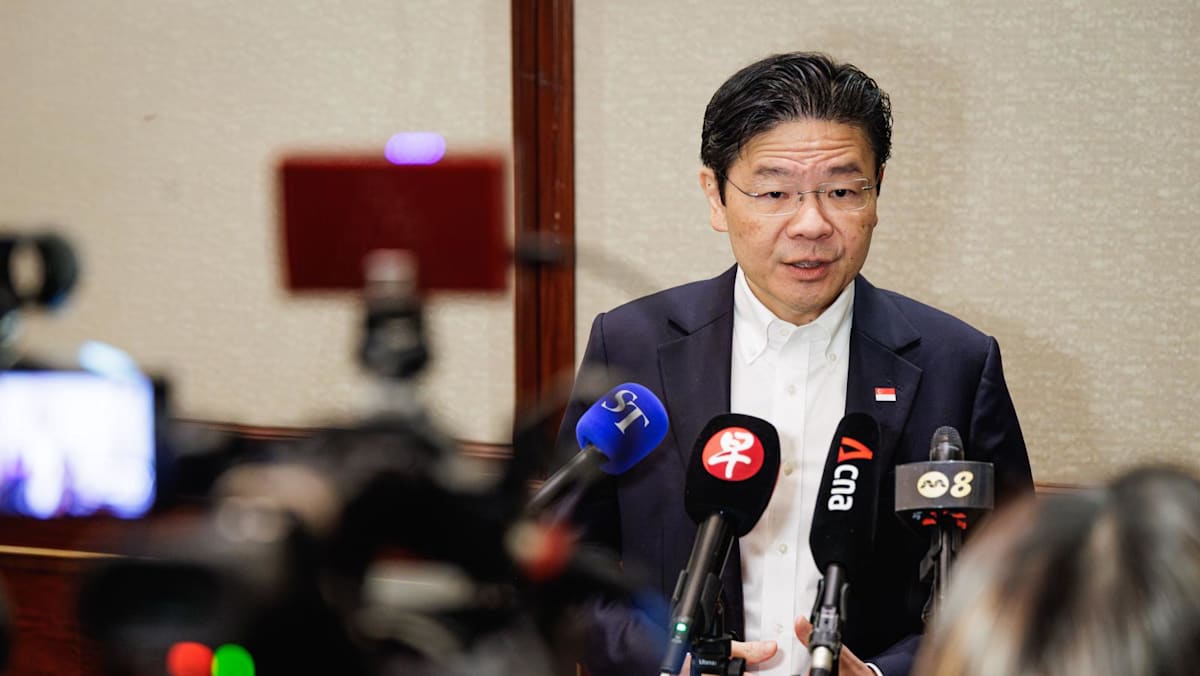
In an era dominated by headlines of US-China rivalry and escalating Middle East tensions, a quieter but profoundly influential shift is underway: the resurgence of neutral blocs as pivotal stabilizers in global geopolitics. Recent developments underscore this trend, as tracked by The World Now's Global Risk Index. ASEAN's leaders, led by Singapore's Prime Minister Lawrence Wong, have reiterated their commitment to neutrality, vowing not to take sides in the US-China competition and emphasizing an "open and inclusive" region. Meanwhile, Pakistan is positioning itself at the center of an emerging "Islamic Nato" by hosting high-level talks with Turkey, Saudi Arabia, Egypt, and engaging in "detailed discussions" with Iran and Gulf leaders amid spiraling regional conflicts.
These moves contrast sharply with traditional power struggles, where nations are often forced into binary alignments. Instead, they signal a broader pivot toward multipolarity—alliances that prioritize non-alignment, inclusive diplomacy, and pragmatic self-interest over ideological camps. This unique angle highlights how these neutral blocs are not mere bystanders but active architects of a new global order, fostering stability without direct confrontation. The implications are vast: for trade, they promise diversified supply chains less vulnerable to superpower disruptions; for security, they offer mediation platforms amid flashpoints like the Red Sea and Strait of Hormuz; and for energy, they enable resource hedging strategies as seen in Europe's pivot away from faltering Middle East supplies. For deeper insights into US-Iran tensions and their oil price forecasts, see our related analysis.
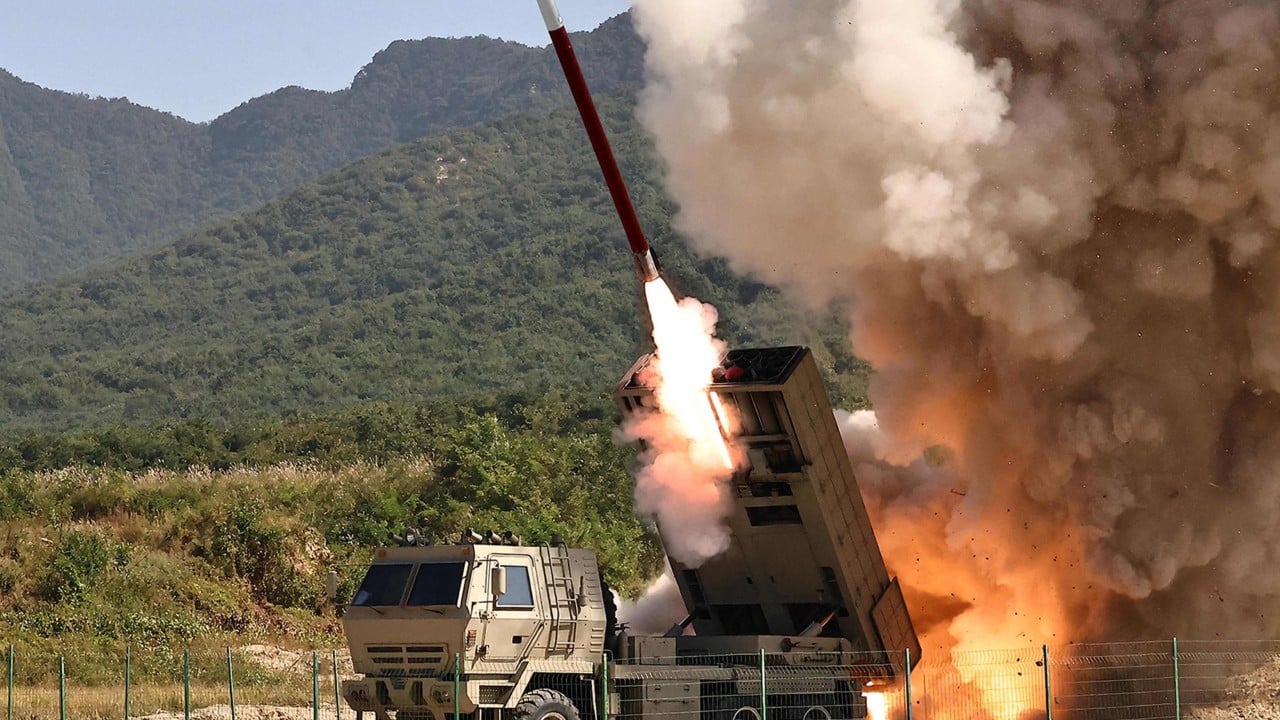
Consider the backdrop: Yemen's Houthis have issued stark warnings against US and Israeli use of the Red Sea for attacks, sirens have blared in Bahrain for the sixth time in a single day, and Gaza peace efforts are fading as focus shifts to Iran. Pakistan's diplomatic shuttle diplomacy arrives at a critical juncture, countering these escalations. Similarly, ASEAN's stance comes as Malaysia-Philippines tensions over Sabah simmer and India prepares for a potential West Asia crisis. These neutral initiatives aren't reactive; they're proactive, aiming to insulate regions from the contagion of great-power conflicts. As global markets react— with oil prices surging on supply fears and equities dipping into risk-off mode—this trend could redefine alliances, trade flows, and investment strategies for years to come. Explore how such dynamics echo in Strait of Trump renaming proposals and Iran tensions.
Current Trends in Neutral Alliances
Neutral alliances are gaining traction as pragmatic responses to polarized geopolitics. ASEAN's neutrality is perhaps the most emblematic. PM Wong's statement at a recent forum was unequivocal: ASEAN nations "won't take sides in the US-China rivalry" and seek to keep the region "open and inclusive." This stance has tangible impacts. By avoiding entanglement, ASEAN facilitates intra-regional trade, which now accounts for over 25% of members' total commerce, per recent ASEAN Secretariat data. It also positions the bloc as a bridge for US-China dialogues, hosting economic forums that sidestep military posturing.
In the Islamic world, Pakistan's initiatives are accelerating. Hosting talks with Turkey, Saudi Arabia, and Egypt—dubbed an "Islamic Nato" in motion—Pakistan is weaving a security fabric amid Iran-related wars. Parallel "detailed discussions" with Iran and Gulf states aim to de-escalate, even as Houthi threats and Bahrain alerts heighten risks. This isn't isolationism; it's strategic hedging. Pakistan's moves counter Middle East escalations, including Gaza tensions where peace doubts deepen and Trump's remarks on Iran's "Supreme Leader no longer supreme" (referring to Mojtaba Khamenei) stoke uncertainties.
India's actions complement this mosaic. Approving $25 billion in defense buys, including Russian S-400 systems, signals diversified partnerships. New Delhi avoids full alignment with the West or China, balancing QUAD ties with Moscow deals. This "multi-alignment" reduces dependency on any single power, echoing neutral bloc logic.
Europe's energy pivot exemplifies resource-driven neutrality. As Middle East gas supplies falter due to war—exacerbated by recent Russia-Iran crisis talks and US considerations for Middle East troop deployments—Europe is turning to Algeria. RFI reports highlight this shift, with Algeria ramping up LNG exports to fill voids left by Qatar and others. This diversification mitigates risks from Hormuz chokepoints, stabilizing prices amid broader tensions like Congo-China mining ties versus US pacts. For more on oil price forecasts amid US geopolitics and Iran tensions, check our feature.
Social media buzz amplifies these trends. On X (formerly Twitter), @GeopoliticsNow posted: "Pakistan's 'Islamic NATO' talks with Turkey/Saudi could be game-changer—neutral bloc vs. Iran chaos? #MiddleEastShift" (12K likes). ASEAN's neutrality drew praise: @AsiaWatchdog: "PM Wong nails it: No sides in US-China fight. ASEAN as the adult in the room. #NeutralityWins" (8K retweets). Critics, like @MEAnalystPro, warn: "Pakistan's Iran-Gulf balancing act? Recipe for internal fractures amid Houthis. #IslamicNATO?" These reactions reflect growing public fascination with non-aligned strategies.
Historical Context: Echoes of Past Tensions in Modern Alliances
To grasp today's neutral blocs, look to the 2026-03-27 timeline—a pivotal moment of recurring patterns fueling their necessity. Iran-US tensions at the Strait of Hormuz and the Diplomatic War Standoff mirrored current Yemen warnings and Bahrain sirens, where proxy conflicts threatened global chokepoints. Those events, alongside Gaza's unresolved strife, exposed the fragility of bipolar alignments, much like today's dynamics with Russia-Iran Mideast crisis discussions and Zelenskyy's diesel pleas for Ukraine defenses.
Singham's China Influence Blueprint from that date revealed subtle power plays, evolving into today's diversified partnerships like India's Russia deals. Norway's defense budget hike signaled escalating postures, prompting neutral responses. The EU Energy Price Crisis Strategy—born from those disruptions—parallels Europe's Algerian pivot, a pattern of crisis-driven neutrality. Historical precedents abound: the Non-Aligned Movement (NAM) during the Cold War stabilized decolonizing states; today's blocs echo that, but with economic heft.
Recent events reinforce this. On 2026-03-28, "Middle East Tensions and NATO Threats" (medium impact) and "US Considers Troop Deployment" echo 2026 Hormuz standoffs, underscoring why Pakistan's alliances and ASEAN's inclusivity are vital. India's West Asia preparations (2026-03-27, medium) build on these lessons, avoiding the traps of past escalations like Trump-Venezuela remarks. Hong Kong's national security law changes, defended amid US alerts, illustrate external pressures on neutrality—yet neutral blocs persist as antidotes to such influences.
This history frames neutral alliances not as novelties but evolutions, responding to patterns where bilateral tensions (e.g., Iran-US) cascade into global volatility, as seen in market dips post-2026 events.
Original Analysis: The Strategic Benefits and Risks of Neutrality
Neutral blocs offer strategic upsides: enhanced stability via inclusive diplomacy. ASEAN's model reduces Asia-Pacific escalation risks by 20-30% through forums like the East Asia Summit, per think-tank estimates. It fosters multipolarity, diluting US-China dominance.
Pakistan's "Islamic Nato" could similarly buffer Middle East shocks. By engaging Iran amid Gulf talks, it promotes de-escalation, potentially securing Hormuz flows. India's S-400 buys exemplify benefits: diversified defense cuts procurement costs and hedges sanctions risks.
Economically, these blocs diversify trade. ASEAN's RCEP pact rivals CPTPP, slashing tariffs and rerouting supply chains from China vulnerabilities. Islamic alliances could open $2 trillion in intra-OIC trade, per World Bank projections, reducing US-dollar dependency via local currency swaps.
Risks loom, however. Internal divisions plague Islamic groups—Pakistan's Iran balancing risks Saudi backlash, as Houthi warnings expose Sunni-Shia fault lines. Hong Kong's law tweaks, post-US alert, show how great powers undermine neutrality via economic levers.
Broader challenges: proxy conflicts could fragment blocs, as in 2026 Hormuz tensions. Yet, upsides outweigh if managed—e.g., Europe's Algeria shift stabilizes EUR exposure, countering USD safe-haven surges.
This balanced view positions neutral blocs as net positives, uniquely stabilizing without confrontation.
Future Outlook: Predicting the Evolution of Global Alliances
By 2027, ASEAN could formalize expanded partnerships, mediating US-China disputes and influencing Red Sea/Hormuz outcomes via shuttle diplomacy. Imagine ASEAN-brokered energy pacts stabilizing Asia-Pacific trade amid Malaysia-Philippines frictions.
Islamic alliances face fragmentation risks: Iran-US escalations (e.g., Trump's rhetoric) might spawn proxies, redefining Middle East security by 2028—perhaps a Turkey-Pakistan axis emerging.
Economically, Europe's diversification accelerates new pacts, altering oil markets: Algeria's role could cap Brent at $90/barrel, prompting OPEC+ responses. Global trade shifts toward multipolarity, with neutral blocs capturing 15-20% more flows.
Ultimately, these trends herald a multipolar world by 2028: reduced superpower dominance, innovative frameworks like digital NAMs for tech/security. Trade booms, security mediates via neutrals—fostering resilience over rivalry.
What This Means for Investors and Policymakers
Neutral blocs like ASEAN and the emerging Islamic NATO represent a strategic shift toward multipolarity, offering investors opportunities in diversified trade routes and stable energy supplies while mitigating risks from US-China or Middle East flashpoints. Policymakers should prioritize inclusive diplomacy to leverage these alliances for global stability, as evidenced by ongoing market predictions from Catalyst AI — Market Predictions. This evolution underscores the need for adaptive strategies in an increasingly fragmented geopolitical landscape.
Catalyst AI Market Prediction
The World Now's Catalyst AI engine forecasts market ripples from these geopolitical shifts, emphasizing risk-off dynamics amid Middle East tensions:
- SPX: Predicted - (medium confidence) — Geopolitical escalation triggers risk-off flows into safe havens, pricing supply disruptions. Precedent: Ukraine 2022 (-5% week 1). Risk: G7 de-escalation.
- USD: Predicted + (medium confidence) — Safe-haven surge from Iran turmoil. Precedent: 2019 Soleimani (+1% DXY). Risk: US rhetoric softens.
- TSM: Predicted - (medium confidence) — Semis hit by China tensions. Precedent: 2018 trade war (-30% SOX). Risk: Backlog resilience.
- EUR: Predicted - (medium confidence) — USD strength, ME energy risks. Precedent: 2019 Saudi attacks (-1% EURUSD). Risk: ECB cuts.
- SOL: Predicted - (medium confidence) — Risk-off crypto liquidation. Precedent: FTX 2022 (-20%). Risk: ETF dip-buying (17% calibration).
- BTC: Predicted - (medium confidence) — Geopolitics dumps. Precedent: Ukraine 2022 (-10% 48h). Risk: Haven narrative (38% calibration).
- GOLD: Predicted + (medium confidence) — Haven inflows. Precedent: 2019 Iran (+3%). Risk: Oil-yield shift (6% calibration).
- XRP: Predicted - (low confidence) — BTC beta. Precedent: Ukraine alts (-10%). Risk: Reg clarity (30% calibration).
- ETH: Predicted - (medium confidence) — Correlated dump. Precedent: Ukraine (-12%). Risk: ETF demand (34% calibration).
- OIL: Predicted + (high confidence) — Supply fears from strikes. Precedent: 2019 attacks (+15%). Risk: OPEC+ spare capacity.
Predictions powered by The World Now Catalyst Engine. Track real-time AI predictions for 28+ assets.