
Iran War Sees US Strike Nearly 90 Targets After Hormuz Ship Attacks
The US-Iran war escalated anew in early July after Iranian attacks on commercial ships in the Strait of Hormuz prompted US airstrikes on Iranian military targets, followed by Iranian retaliatory strikes on US bases in Kuwait and Bahrain, with President Trump declaring the ceasefire over. The latest escalation in the Iran war began on July 7 when Iran attacked trading vessels in the Strait of Hormuz. [1][4]
Latest Escalation Triggered by Hormuz Attacks
The new escalation in the Iran war began on July 7 after Iran attacked trading vessels in the Strait of Hormuz. [1][4] In response the US Treasury revoked permission for Iranian oil sales and the US military conducted airstrikes on Iranian military targets. [1] Iranian forces then launched missiles and drones at US military bases in Kuwait and Bahrain. [1][4] The attacks included strikes on the Salman port naval base in Bahrain and the Ali Salem airbase in Kuwait. [1] Air raid alerts were triggered in both countries as defenses intercepted ballistic missiles and drones. [1][4]
US Strikes Target Iranian Military Capabilities
CENTCOM reported striking about 80 Iranian targets on July 7, including over 60 IRGC small boats. [1][4] Around 90 more targets were struck on July 8-9, including air defense systems, coastal surveillance sites, missile and drone storage facilities, and logistics infrastructure. [1][4] The strikes were carried out to degrade Iran’s ability to attack shipping in the Strait of Hormuz. [1][4] CENTCOM stated that the operations aimed to protect international commerce flowing through the trade corridor. [4]
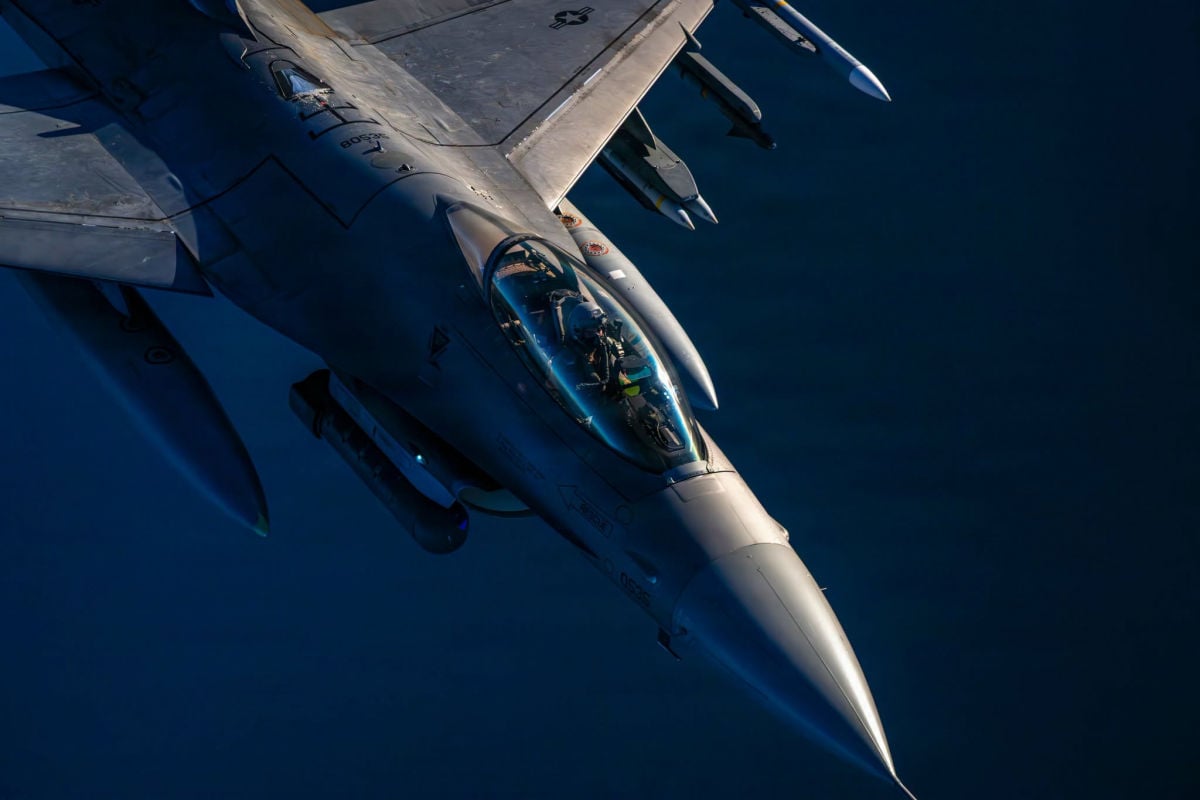
US airstrikes hit nearly 90 Iranian military targets after Hormuz ship attacks. — Source: newsmax
Iranian Retaliation and Regional Impact
Iran responded by launching missiles and drones at US military facilities in Kuwait and Bahrain. [1][4] Iranian state media reported explosions in multiple coastal areas including Qeshm island, Sirik, Bandar Abbas, and Bushehr near the nuclear plant and oil terminal. [4] One IRGC member was killed in the strikes. [4] Kuwait intercepted two ballistic missiles and 13 drones while Bahrain experienced blasts near its bases. [4] Residents in the Gulf expressed anxiety over the renewed fighting. [4]
Trump Declares Ceasefire Over
President Trump stated at the Nato summit that the ceasefire with Iran is over. [2][4] He vowed to “hit ’em hard” and said the US should “finish the job,” while expressing doubt about wanting a deal or continuing talks. [2][4] Trump insisted ongoing actions do not signal a return to full war or long-term action. [2] Oil prices rose 8% following his comments. [4]
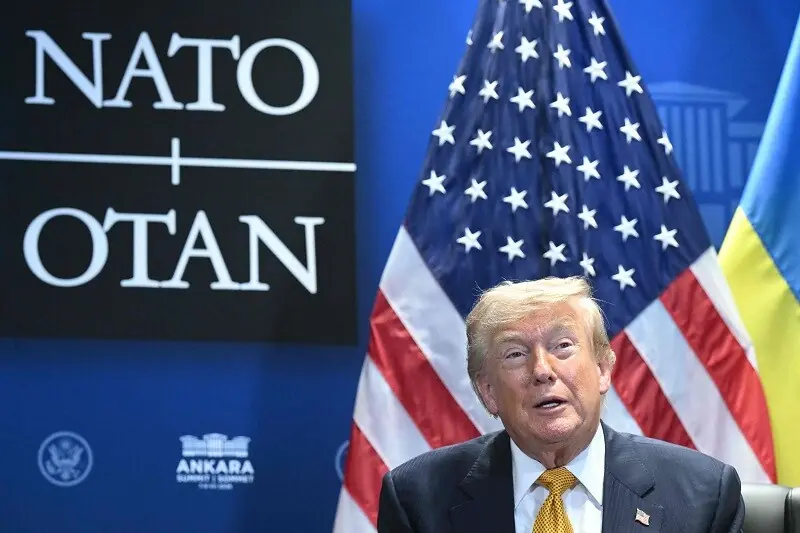
President Trump declares Iran ceasefire over after Hormuz ship attacks and retaliatory strikes. — Source: dawn
Dispute Over Strait of Hormuz Control
Tensions center on control of the Strait of Hormuz where Iran seeks to impose fees and restrict shipping routes. [4] The US demands free passage for ships while Iran insists on authorized routes and has threatened vessels that deviate. [4] Three ships were struck in recent days after sailing close to Oman. [4] Maritime traffic had tentatively resumed after the prior deal but nearly 6,000 seafarers remain stranded in the area. [4]
Analyst Views on Ceasefire and Next Steps
An analyst said the cost of returning to full-blown war would be too high for both sides. [4] Ali Vaez of the International Crisis Group stated that Trump’s rhetoric is hyperbolic and does not necessarily mean the memorandum of understanding has collapsed. [4] Both sides are trying to negotiate the fine print of the MoU through the use of force because the agreement left issues unresolved or ambiguous. [4] Iran views control of the strait as its most important achievement and is not prepared to give it away. [4]
What to watch next: Further strikes could test whether the memorandum of understanding remains intact or whether the sides return to broader conflict.