Iran War Nears End as Trump Cites Imminent Hormuz Reopening Deal
Five months into the US-led Iran war, President Donald Trump expects the conflict to end soon as Iran and Oman near a deal to reopen the Strait of Hormuz. [2] A Reuters/Ipsos poll shows most Americans expect greater regional chaos while Houthis escalate attacks and US munitions shortages limit options. [5]
Diplomatic Developments and Expected End to Conflict
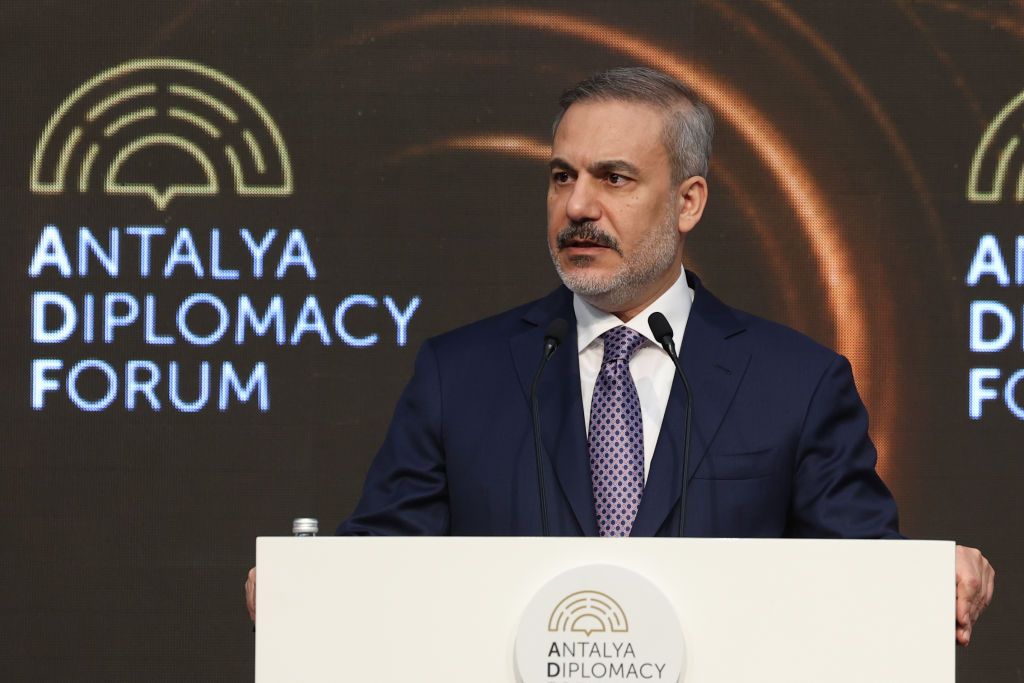
US President Donald Trump says he expects the Iran war to end "pretty soon" as Iran and Oman reportedly are finalising a deal to reopen the Strait of Hormuz. [2] Turkey, Saudi Arabia and Pakistan signed a joint defence agreement on Friday as the three countries sought to deepen security cooperation amid heightened military tensions and conflicts in the region. [2] The agreement, called the Mecca Defence Pact, comes as diplomatic efforts focus on easing disruptions to global oil routes caused by the Iran war. [2]
Escalating Attacks by Houthis and Regional Fighting

Trump announces imminent end to Iran war as Hormuz reopening deal nears. — Source: thenewarab
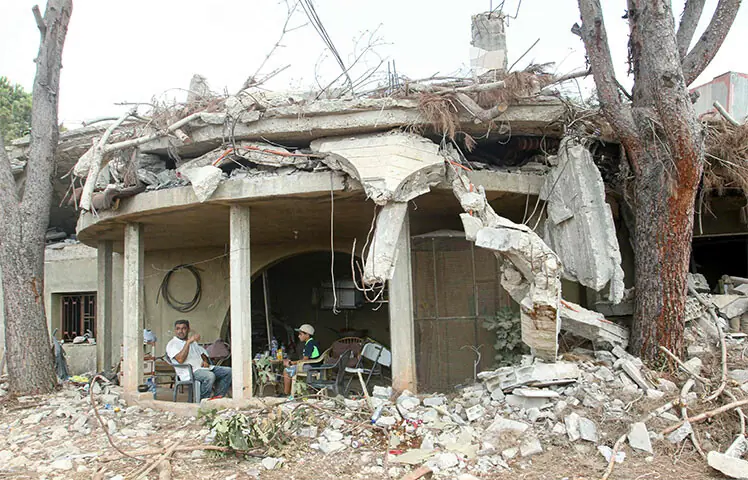
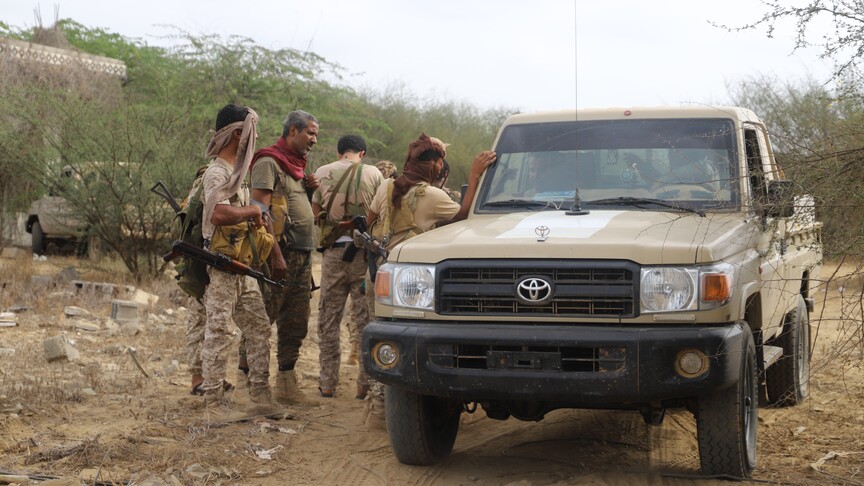
Yemeni forces and Houthis are upping their attacks, with multiple deaths reported along the Yemeni forces yesterday and overnight. [2] Houthis escalate attacks and Saudis brace for major assault as the Iran war widens. [1] Israeli strikes continue on Gaza and southern Lebanon. [2] Iranian actions have disrupted maritime traffic through the Strait of Hormuz and Red Sea, leading to rising insurance costs, higher shipping costs and delays to cargo movements for Europe. [4] The Iran-backed Houthis in Yemen have also threatened Saudi shipping transiting the Bab al-Mandab chokepoint at the southern end of the Red Sea. [5]
US Munitions Shortages and Internal Administration Tensions
President Donald Trump clashed with Defense Secretary Pete Hegseth over severe US munitions shortages, especially precision missiles and air-defense interceptors. [3] The discussion occurred during a meeting in Camp David in the week prior to the report. [3] In the first month alone, the United States fired more than 850 Tomahawk cruise missiles, more than 1,000 Patriot and THAAD interceptors, and more than 1,300 ballistic missiles. [3] The munitions shortfall has forced the US to scale back planned large-scale attacks on Iran, revise criteria for using interceptors, and seek an additional $67 billion from Congress to replenish stocks that will take years to restore. [3] Trump had authorized and later canceled what he described as the largest attack since the Second World War while awaiting developments in negotiations over the Strait of Hormuz. [3]
American Public Opinion and Political Risks
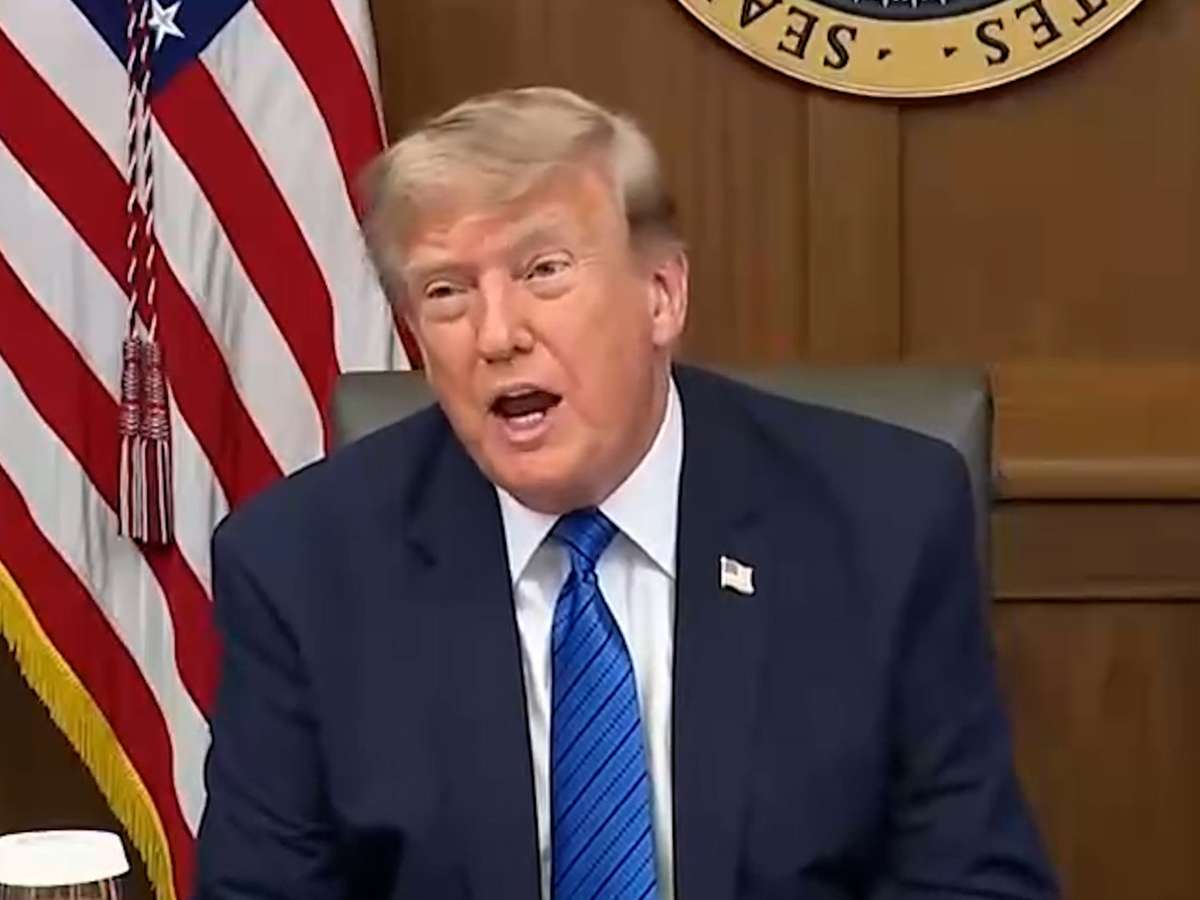
President Donald Trump discusses munitions shortages with Defense Secretary amid Iran war. — Source: gdelt
A Reuters/Ipsos poll finds 50 percent of Americans expect the Iran war to destabilize the Middle East over the next year versus 17 percent who expect more stability. [5] Fifty-eight percent anticipate higher gasoline prices. [5] Only 35 percent approve of the war. [5] The findings underscore the political risks for Trump and his fellow Republicans as they seek to defend narrow congressional majorities in November's midterm elections. [5] While 80 percent of Republicans approve of Trump's performance as president and 66 percent back his handling of Iran, fewer than half think stability in the Middle East will get better over the next year as a result of the war. [5] Asked which political party has a better approach to handling war and terrorism, registered voters picked Democrats over Republicans by 37 percent to 36 percent. [5]
Calls for Greater Gulf-European Maritime Security Cooperation
Insecurity caused by the Houthis in the Red Sea, followed by disruptions caused by the Iran war in the Strait of Hormuz, has had a direct impact on Europe. [4] The Italian Institute for International Political Studies in partnership with the Gulf Research Center recommended establishing a permanent maritime coordination framework connecting naval forces, coast guards, port authorities, customs agencies and commercial shipping operators. [4] The institute also called for the creation of a permanent ministerial-level forum between the European Union and the Gulf Cooperation Council to provide strategic direction on maritime security, air defense and the protection of critical infrastructure. [4] It proposed regular joint exercises involving Gulf and European military and civilian personnel. [4] European expertise in cybersecurity and digital infrastructure could help strengthen Gulf critical infrastructure. [4] The report said the European Union’s Readiness 2030 initiative could provide a suitable mechanism for expanding industrial cooperation. [4]
Broader Strategic and Economic Impacts
The Iran war has cost the US at least $37.5 billion and killed 18 American service members while killing thousands of Iranians. [5] The war, which Trump launched with Israel in late February, has led to Iranian missile and drone attacks against neighboring countries and commercial shipping. [5] Experts note weakened Iranian capabilities but warn of persistent economic effects. [5] The reduction of US stocks also affects other scenarios including the war in Ukraine. [3] Americans also have significant concerns that wars underway will get worse and that new wars will break out, with 58 percent saying they were concerned the Russia-Ukraine war could get worse. [5]
What to watch next: the final sign-off on the Hormuz reopening deal between Iran and Oman and whether the additional $67 billion funding request advances in Congress.