
Iran War Expands to Strike Jordan, Iraq, Syria and Gulf States
The Iran war that began in February 2026 has expanded beyond the initial participants to draw in multiple regional states, armed groups and global economic effects, with new joint US-Saudi strikes, attacks on shipping and energy infrastructure, and no clear path to de-escalation. [1]
Current Scope of the Conflict
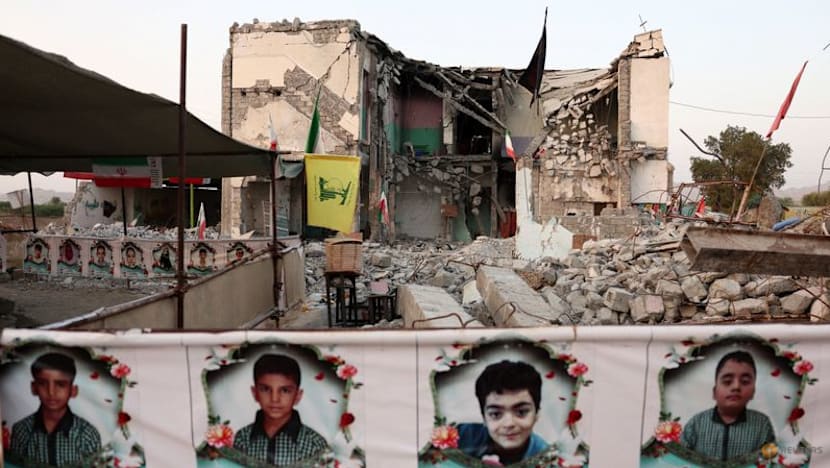
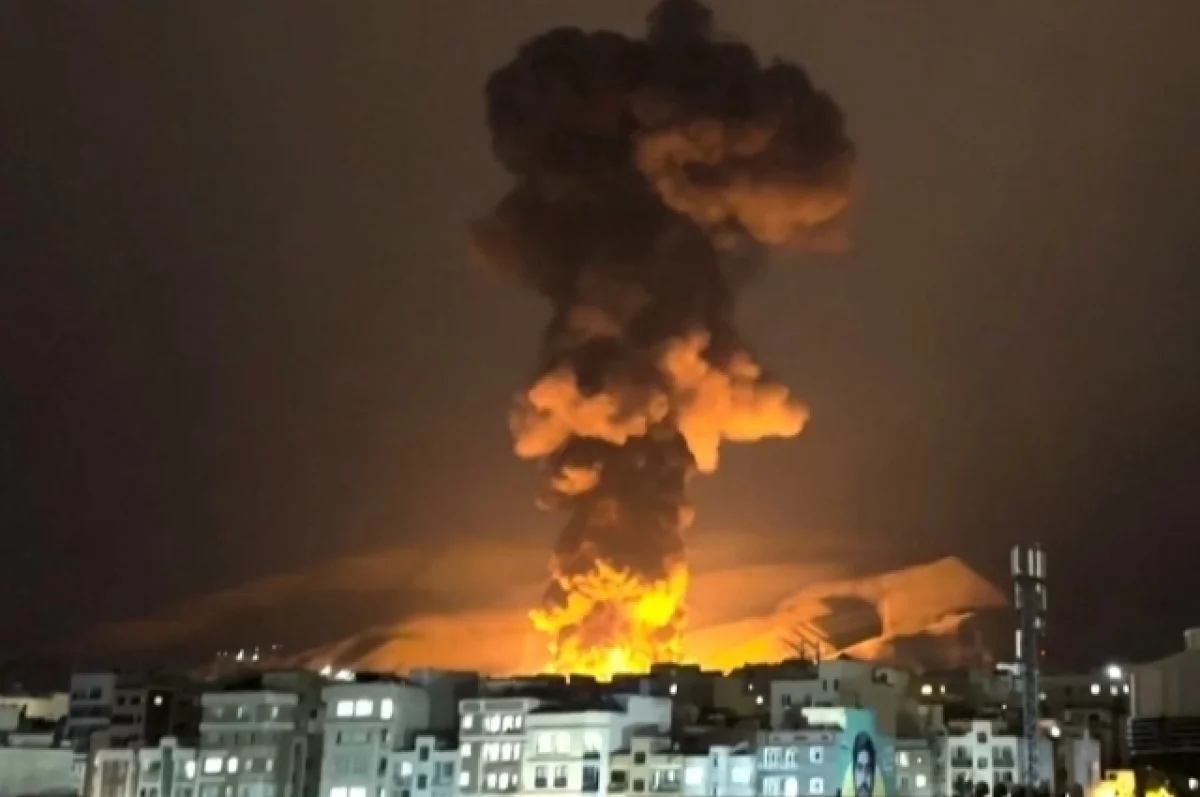
When the military operation by the US and Israel against Iran began, the direct participants numbered only three states. [1] The conflict has since affected Jordan, Iraq, Syria, Saudi Arabia, Qatar, Bahrain, Kuwait, Oman, the United Arab Emirates, Egypt, Lebanon and Turkey through regular rocket attacks, drone strikes and air-defense activity. [1] Tension persists around Lebanon, where Israel continues to confront the Iran-backed Hezbollah. [1] The war has also spilled over to the Red Sea, where Yemen’s Iran-backed Houthis target Saudi-flagged ships, and to the Caspian Sea, where Ukraine struck vessels carrying Iranian-linked military cargo. [3]
Recent Military Developments

US and Saudi aircraft conduct joint strikes against pro-Iranian forces in regional conflict. — Source: thenewarab One of the most visible recent events was the first joint use of US and Saudi aviation against pro-Iranian forces in Iraq. [1] Reports indicate the strike killed several Iranian military advisers. [1] Saudi Arabia is now involved in two armed confrontations, one with Iran and one with Yemen’s Houthis. [1] Barely a month after a June 14 memorandum of understanding intended to bring the Iran war to a formal close within sixty days, fresh hostilities resumed between the US and Iran. [3] The US has sought to enforce a new blockade against Iranian ports. [2] Pakistan and other mediators have continued to push both sides to return to the 14-point framework under which Washington and Tehran agreed to halt hostilities and reopen the Strait of Hormuz. [3]
Impact on Global Energy Markets
The Strait of Hormuz remains blocked since late February, while Yemen’s Houthis continue to threaten shipping through the Bab el-Mandeb Strait. [1] [3] Global institutions have cut growth forecasts because of geopolitical uncertainty, tighter financial conditions and inflation risk tied to the Iran war. [3] The International Monetary Fund has lowered its global growth forecast, the World Bank places growth below pre-pandemic norms, and the Organisation for Economic Co-operation and Development flags softness in both advanced and emerging economies. [3] The International Energy Agency has warned that oil-market volatility linked to the war complicates energy security and investment planning worldwide. [3] Higher energy costs feed into fertiliser and food production, with one-third of the world’s fertilisers previously shipped through Hormuz. [2] [3]
Effects on Sudan's Civil War
{IMAGE_3} The most immediate impact of the Iran war on Sudan has been increased global fuel prices, as commercial oil tankers face security risks and rising insurance costs transiting the Strait of Hormuz. [2] Bread and fuel prices carry particular weight in Sudan, where attempts to remove subsidies in 2018-19 triggered mass protests that ended the rule of Umar al-Bashir. [2] Since Sudan’s civil war began in 2023, access to food has been weaponised, and further price rises from the Iran war have added to hardship. [2] Fuel sustains mechanised irrigation, transport of goods, and military movements for both the Sudanese Armed Forces and the Rapid Support Forces. [2] The war has also reshuffled regional leverage: Saudi Arabia gains relative strength because its Red Sea ports and East-West pipeline remain less affected than Emirati facilities inside the Gulf. [2] Iran’s ability to provide support to the Sudanese Armed Forces has been curtailed by its own conflict with the US. [2]
Risks to Key Maritime Routes and Egypt
A drone attack struck two gas vessels in Egypt’s Damietta port on 29 July, sparking fires on a US-owned floating storage and regasification unit and a Greek-owned LNG tanker. [4] Neither Iran nor the Houthis has claimed responsibility. [4] Saudi Arabia has formed a 14-nation Multinational Maritime Defence Alliance that includes Turkey, Pakistan and Egypt to protect critical waterways. [3] Analysts note that the Houthis are positioned to make the Red Sea a dangerous transit route, placing pressure on the Suez Canal and the Sumed pipeline. [4] Egypt is described by some observers as a regional swing state whose economy could face cascade effects from any sustained disruption. [4]
Prospects for De-escalation
Mediation efforts by Pakistan and others have not yet halted the fighting. [3] The June memorandum of understanding has come under strain. [2] Washington’s capacity for further escalation faces limits from high oil prices and reported shortages of certain munitions. [1] Analysts warn that continued expansion of the conflict risks new regional crises and greater instability beyond the Middle East. [1] [3]
What to watch next: renewed attempts to restore the June memorandum framework, further Saudi-led maritime coalition activity, and any additional spillover effects on Red Sea shipping lanes.