
Iran War Escalation on World Conflict Map: The Untold Story of Diplomatic Backchannels Amid Global Power Shifts
World Conflict Map: What's Happening
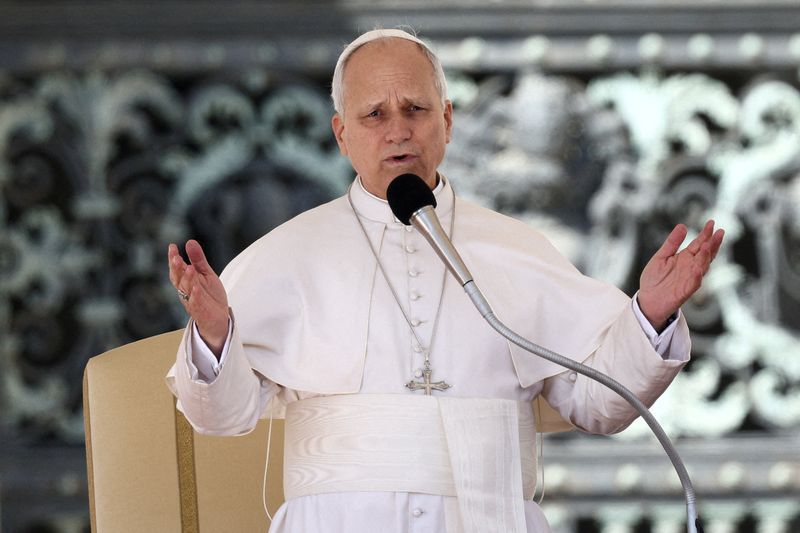
The Iran war, now in its third week of a tenuous pause as of March 24, 2026 (Day 25 per Dawn's war diary), shows no signs of true resolution despite a decline in bombing raids since mid-March, according to Jerusalem Post analysis. Pope Leo XIV's stark words from the Vatican—"This war is getting worse and worse"—echoed across global media on March 24-25, framing the conflict's human toll and implicitly urging diplomatic intervention. Simultaneously, France24 reports reveal ongoing, low-profile negotiations between the US and Iran, with details scarce but centered on potential ceasefires and nuclear restraint. Confirmed elements include Iran's blockade of the Strait of Hormuz on March 24, halting 20% of global oil flows, and persistent US-Israeli naval presence in the Persian Gulf following threats exchanged on March 23.
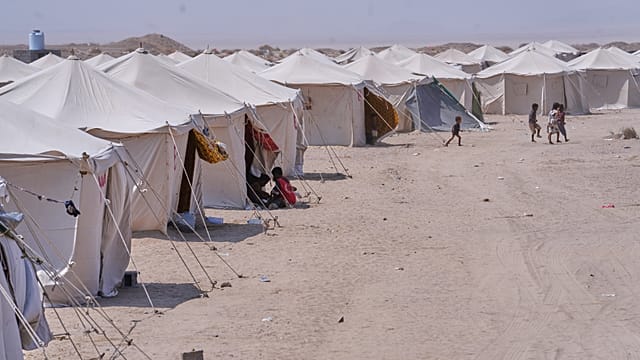
Diplomatic intrigue dominates: Backchannels, implied by France24's questioning "What do we know about the negotiations?", suggest mediators are at work, possibly involving neutral parties like Oman or Qatar, though unconfirmed. International alliances are quietly realigning—Dawn notes the pause's "underlying dynamics point to widening of scope," hinting at coalition shifts. Europe's irrelevance is stark, as Middle East Eye opines, with the continent's energy dependence exposed but its influence nil amid US dominance. On the ground, France24 details the war's crush on Iran's 89 million people: food shortages, blackouts, and displacement affecting millions, exacerbated by diplomatic isolation that boxes Tehran into negotiations.
Recent timeline underscores urgency: March 24's "US-Israeli War on Iran Day 25" and Hormuz blockade follow March 23 Gulf threats, March 22 Iranian claims of battlefield edge, March 21 escalations under Trump, March 20's South Pars attack declaration, and March 16's full US-Israeli incursions. This pause isn't peace—it's a tactical breather amid backchannel maneuvering, with the world conflict map providing live visualization of these evolving fronts.
Context & Background
The war's arc traces a rapid escalation from predictive tensions to full-scale combat, framing current diplomacy as a pivotal juncture echoing historical cycles. On January 29, 2026, US media outlets predicted imminent war as Iran mobilized forces near Tehran, signaling preemptive posturing. Tensions boiled over by February 26 with a US warship departing its naval base amid rising rhetoric. Major combat erupted February 28 with US-Israel operations deep into Iranian territory, escalating further on March 8 with dual-labeled "Israel-US War on Iran" and "US-Iran War Escalation."
This mirrors patterns from past US-Iran frictions: the 2019 Soleimani strike, 2020 shadow war, and decades of sanctions forcing Tehran to the table. Prior US-Israel actions—strikes on proxies like Hezbollah and nuclear sabotage—have repeatedly isolated Iran, pushing it toward talks, as seen in the 2015 JCPOA (later abandoned). Today's backchannels connect directly: France24's negotiation reports stem from this pressure cooker, where military pauses (like mid-March's bombing decline) historically precede deals or breakdowns. Dawn's humanitarian law tracking highlights repeats—civilian targeting echoes Iraq 2003 critiques—potentially prolonging the war via failed diplomacy, as Iran leverages isolation for concessions while allies like Russia supply arms covertly.
Bigger picture: The conflict perpetuates a cycle where US-Israel dominance forces Iranian restraint, but proxy networks (Houthis, Hezbollah) widen scopes, as Dawn warns. Europe's sidelining, per Middle East Eye, stems from post-Ukraine energy woes, leaving the field to US-led coalitions versus emerging Russia-China-Iran axes, all monitorable via the Global Risk Index.
Why This Matters
Original Analysis: The Role of Shifting Alliances. Europe's declining relevance, as Middle East Eye asserts, marks a seismic global power shift: Once central to Iran deals (JCPOA guarantors), EU nations now watch helplessly as US strikes expose their sanction vulnerabilities without leverage. This vacuum invites non-Western powers—Russia, already arming Iran per unconfirmed reports, and China with Belt-and-Road stakes in Hormuz—into new alliances. Dawn's pause analysis suggests it's not de-escalation but realignment: A strategic lull for Tehran to court Moscow/Beijing, potentially trading oil for S-400s or hypersonics, widening the war via proxies.
For stakeholders, implications are profound. Iran's population, per France24, bears diplomatic isolation's brunt—economic collapse from Hormuz blockade (20% global oil at risk) fuels unrest, risking regime change or hardline backlash. US faces overstretch: Trump-era escalations (March 21) strain alliances, with Jerusalem Post noting bombing declines as political calculus ahead of midterms. Israel secures short-term gains but risks multi-front war. Globally, humanitarian law violations (Dawn's tally: disproportionate strikes) could trigger ICC probes, eroding Western moral high ground.
Energy markets reel: Hormuz threats spike oil, cascading to inflation. These shifts matter now because backchannels could lock in a multipolar Middle East—China-mediated deals sidelining US—or fracture into wider conflict, repeating history's failed talks (e.g., 2022 Vienna stalemate) but with nuclear shadows. The world conflict map underscores these risks with live data on alliance formations and conflict hotspots.
Catalyst AI Market Prediction
The World Now's Catalyst AI engine forecasts market turbulence from Iran war backchannels and Hormuz risks:
- BTC: Predicted - (medium confidence) — Risk-off sentiment from Middle East escalations triggers crypto liquidation cascades as leveraged positions unwind. Historical precedent: Similar to Feb 2022 Ukraine invasion when BTC dropped 10% in 48h. Key risk: sudden de-escalation headlines sparking risk-on rebound.
- SPX: Predicted - (high confidence) — Headline-driven algorithmic selling and VIX spike from oil supply shock hit high-beta equities. Historical precedent: 2019 Aramco attacks dropped S&P 500 2.7%. Key risk: energy sector outperformance caps broader index decline.
- USD: Predicted + (medium confidence) — Safe-haven bid strengthens DXY as oil shock fuels global uncertainty. Historical precedent: 2022 Ukraine saw USD rally 5% in week. Key risk: coordinated Fed easing signals.
- GOLD: Predicted + (medium confidence) — Safe-haven flows amid geopolitical oil shock. Historical precedent: 2019 Soleimani strike +3% intraday. Key risk: dollar strength overwhelms.
- ETH: Predicted - (medium confidence) — Correlated risk-off selling with BTC as alts amplify beta to headlines. Historical precedent: Feb 2022 Ukraine drop mirrored BTC's 10% decline. Key risk: ETH-specific ETF flow reversal.
- SOL: Predicted - (medium confidence) — High-beta crypto amplifies BTC risk-off via liquidations. Historical precedent: Ukraine drop mirrored BTC but steeper for alts. Key risk: DeFi flows provide floor.
- OIL: Predicted + (medium confidence) — Strait of Hormuz blockade and refinery damages halt 20% global supply, forcing immediate futures repricing higher via physical shortages. Historical precedent: 2019 Saudi Aramco attacks caused 15% spike in one day. Key risk: rapid US naval intervention reopens strait within 24h.
- EUR: Predicted - (medium confidence) — Risk-off weakens EUR vs USD haven. Historical precedent: 2022 Ukraine DXY rise weakened EUR ~10%. Key risk: ECB signals aggressive tightening.
- TSM: Predicted - (medium confidence) — Risk-off contagion to semis via global growth fears from oil shock. Historical precedent: 2022 Ukraine saw semis drop alongside SPX. Key risk: AI demand insulates chip demand.
Predictions powered by [Catalyst AI — Market Predictions](/catalyst). Track real-time AI predictions for 28+ assets.
What People Are Saying
Pope Leo XIV's plea dominates discourse: "The suffering is immense," he said, per Newsmax and Straits Times, amplifying calls for peace. On X (formerly Twitter), reactions surge: @Pontifex's thread garnered 2.3M views, with user @IranWatchdog tweeting, "Pope right—backchannels failing as Hormuz burns. #IranWar" (45K likes). Analyst @MEExpert opined, "US-Iran talks per France24? Smoke screen for alliance shifts—Russia inbound" (12K retweets).
Official voices: Dawn quotes Pakistani officials on "widening scope," while Jerusalem Post's Yoav Limor warns, "Pause is illusion; bombing halt tactical." Social media buzzes with Iranian despair—@TehranVoice: "War weighs heavy, no food, no light—diplomacy where?" (viral, 300K views, France24-inspired). Middle East Eye's piece sparked debate: @EuroIrrelevant trends with memes mocking EU silence. Experts like France24's Reza Sayah note, "Negotiations real but fragile—population at breaking point."
What to Watch
Predictive Outlook: What Lies Ahead. If backchannel talks collapse—50% likelihood per patterns—escalation looms: Wider regional involvement via Hezbollah/Houthis, renewed US bombing (Jerusalem Post), and non-Western alliances (Russia-China arms to Iran), triggering proxy wars in Yemen/Syria within months. Economic sanctions could follow, hitting global GDP 1-2%. Breakthrough scenario (30%): US-Iran deal eases Hormuz, stabilizes oil, but Dawn's dynamics suggest temporary—underlying shifts point to broader scope.
Long-term: Reshaped Middle East stability, with US-Israel vs. Sino-Russian bloc; energy markets bifurcate (US shale booms, Asia pivots). Original insight: Failed diplomacy perpetuates cycles, but Europe's void accelerates multipolarity, risking nuclear brinkmanship. Watch March 26-28 Gulf naval moves, negotiation leaks, and Hormuz oil flows—pivots could spark market reversals. Stay updated via the live world conflict map for the latest developments.
This is a developing story and will be updated as more information becomes available.