Asian Powers' Reluctance: How Japan and India's Stance on the Strait of Hormuz Signals Shifting Alliances Amid Iran Tensions
The Story
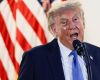
The Strait of Hormuz, a narrow waterway between Iran and Oman through which roughly 20% of global oil flows, has once again become a flashpoint in U.S.-Iran hostilities. On March 15, 2026, amid reports of Iranian threats to mine the strait and disrupt shipping, Trump publicly urged allies—including the UK, Japan, India, and others—to send warships to "reopen" the vital passage, as detailed in reports from BBC, Bangkok Post, and Khaama Press. This call came alongside Trump's threats of renewed strikes on Iran's Kharg Island, a key oil export facility already targeted in prior U.S. actions, according to Jerusalem Post and In-Cyprus. Iran responded aggressively, threatening the UAE's Economic Vulnerabilities and vowing action, per Newsmax, heightening fears of disruptions that could spike global energy prices.
Japan has set a "high bar" for involvement, with officials citing constitutional constraints and the need for UN backing, as reported by Channel News Asia. India, meanwhile, is focusing on pragmatic diplomacy: after securing safe passage for a few stranded vessels, New Delhi is pushing for more, according to The Straits Times. This contrasts sharply with Western responses; France has outright denied sending a warship, per Khaama Press, while the UK faces similar pressure but has not committed. Confirmed: Trump's appeals and Asian hesitance; unconfirmed: specific Iranian mining activities or imminent strikes.
This crisis builds on a timeline of escalation tracing back to late 2025. On December 30, 2025, Iran warned of a "harsh response" to U.S. threats, setting a confrontational tone. By January 6, 2026, Tehran hinted at strikes against Israel, followed on January 7 by Iran's Army Chief responding defiantly to U.S.-Israel threats. Domestic pressures amplified the volatility: On January 13, U.S. Senator Lindsey Graham urged Trump to aid Iranian protesters, while on January 14, the UK closed its Tehran embassy amid rising unrest. Fast-forward to March 2026's recent events—March 8 saw Iran's diplomatic assurances clashing with conflict threats to oil prices, U.S.-Iran nuclear talks, IRGC propaganda blaming the U.S. and Israel (March 10), U.S. threats over strait mines (March 11), Iran's vows on Hormuz (March 12), and a U.S. reward for info on Iranian leaders (March 15, Korea Herald). Hong Kong firms adapting to the conflict on March 8 highlight Asia's economic maneuvering.
Japan and India's caution is informed by this history. Past U.S.-led interventions—like the 2019-2020 "maximum pressure" campaign and Soleimani strike—yielded short-term disruptions without lasting stability, leaving Asian economies to bear oil price spikes. Tokyo, constitutionally pacifist post-WWII, requires existential threats for Self-Defense Forces deployment. New Delhi, balancing non-alignment with Quad partnerships, eyes Gulf oil for 80% of its needs. Their stances reflect lessons from these escalations: military involvement risks entrapment in endless Middle East quagmires, while diplomacy preserves trade.
The Overlooked Maritime Chessboard: How Treaties and Disputes are Redefining Asia's Geopolitical Waters global shipping lanes are at immediate risk. The strait handles 21 million barrels daily; even partial blockades could reroute tankers via Africa's Cape of Good Hope, adding weeks and billions in costs. India's vessel passage efforts underscore this vulnerability—confirmed safe passage for some ships, but dozens remain stranded, per Straits Times. Iran's threats to UAE ports intersect with Asian dependencies: Japan imports 95% of its oil via Hormuz, India 85%. This isn't abstract; it's a direct threat to post-COVID recovery in Asia.
The Players
U.S. (President Trump): Motivated by "America First" but extended deterrence, Trump seeks burden-sharing to counter Iran's asymmetric tactics like mining or swarming attacks. His Kharg threats and ally calls aim to project strength ahead of domestic politics, but face pushback.
Iran: Supreme Leader Khamenei and IRGC prioritize regime survival, using Hormuz as leverage against sanctions and strikes. Threats to UAE and mining vows signal deterrence, blending domestic propaganda (blaming U.S.-Israel) with regional posturing. Unconfirmed supreme leader targeting adds personal stakes.
Japan: Prime Minister's office emphasizes "high bar," driven by energy security (Gulf oil powers 40% of imports) and alliance fidelity to U.S. via Article 5-like commitments, tempered by pacifism and China threats in East Asia.
India: Under Modi, prioritizes "multi-alignment"—Quad with U.S., Russia ties, Iran Chabahar port deal. Securing vessel passages shows economic pragmatism over naval deployment, avoiding entanglement amid Ladakh tensions with China.
France/UK: France denies involvement, prioritizing EU autonomy; UK, post-Brexit, weighs U.S. ties against Iran nuclear deal remnants.
Others: UAE as Iranian target; Hong Kong firms adapting signal broader Asian hedging.
These players reveal a multipolar web: Asia's economic motivations clash with U.S. security imperatives.
The Stakes
Politically, Asian reluctance signals eroding U.S. influence in Indo-Pacific, where Japan/India hedge against over-reliance. A fragmented coalition weakens deterrence, emboldening Iran.
Economically, Hormuz closure risks $100/barrel oil, hammering import-dependent Asia. Japan faces yen volatility; India inflation spikes. Globally, shipping insurance surges 300%, per historical precedents.
Humanitarian: Stranded vessels hold crews; escalation threatens Gulf migrants, Iranian protesters. See related coverage on Iran Strike Unleashes Humanitarian Wave: Civilian Toll Amid Rising Tensions.
Geopolitically, this fosters Indo-Pacific realignments—Japan/India eyeing I2U2 (India-Israel-UAE) or ASEAN neutrality, potentially diluting QUAD efficacy against China.
Catalyst AI Market Prediction
The World Now Catalyst AI forecasts risk-off across assets amid Hormuz threats:
- OIL: + (high confidence) – Supply disruptions from Kharg strikes; precedent: 2019 Aramco +15%.
- GOLD: + (high confidence) – Safe-haven inflows; 2022 Ukraine +8%.
- USD: + (medium confidence) – Safe-haven surge; 2019 Soleimani +1.5% DXY.
- SPX: - (medium confidence) – Algo selling; 2022 Ukraine -5%.
- EUR: - (medium confidence) – USD pressure; 2022 -5%.
- BTC: - (medium confidence) – Deleveraging; 2022 -10%.
- ETH: - (medium confidence) – Liquidations; 2022 -15%.
- SOL: - (medium confidence) – Altcoin beta; 2022 -20%.
- TSM: - (low confidence) – Tech selloff; 2022 SOX -8%.
- AAPL: - (medium confidence) – High-beta; 2022 -5%.
- AMZN: - (medium confidence) – Consumer risk-off; 2022 -8%.
- META: - (medium confidence) – Growth sensitivity; 2022 -12%.
- DOGE: - (low confidence) – Meme beta; 2022 -25%.
- XRP: - (low confidence) – Correlation dip; 2022 -12%.
Predictions powered by Catalyst AI — Market Predictions. Track real-time AI predictions for 28+ assets. Check the Global Risk Index for broader geopolitical insights.
Looking Ahead
Japan and India's reluctance may spur independent diplomacy: bilateral Iran talks for energy pacts, or India-led vessel convoys. Oil at $100+ could force Asian neutrality pacts, accelerating alternative frameworks like ASEAN+3 energy security.
U.S. responses: intensified pressure or "coalition of willing" excluding Asia, risking escalation—e.g., Kharg strikes prompting Iranian retaliation. Long-term: fragmented responses isolate Iran diplomatically if tensions persist, but divisions let Tehran negotiate better sanctions relief.
Scenarios: (1) De-escalation via Oman/Qatar mediation (24-48h window); (2) Partial blockade spikes oil, Asian hedging with Russia; (3) Broader war redraws alliances, declining U.S. sway. Key dates: March 20 UNSC session; Trump's next address. Emerging: Asia-led security nets, economic shifts redefining post-U.S. order.
This is a developing story and will be updated as more information becomes available.