
Iran Tensions Rise as Tehran Threatens to Withdraw from Ceasefire with US
Iran tensions have intensified after Iranian officials warned of a possible withdrawal from the recently signed ceasefire agreement with the United States and potential closure of key shipping straits.
Iran Threatens to Exit Ceasefire Agreement
Iranian Parliament Speaker Mohammad Baqer Qalibaf stated that Tehran has no obligation to unilaterally adhere to the June 17 Islamabad Memorandum if it receives no economic or security benefits. [1] He affirmed Iran's sovereignty over the Strait of Hormuz as "inviolable." [1] The warning came amid renewed military clashes between U.S. and Iranian forces in the Strait of Hormuz that placed the 60-day ceasefire agreement at risk of collapse. [1] Qalibaf emphasized that Iran's approach to the conflict and negotiations must rest on national interests, security, and long-term vision, leaving Tehran with no choice but to rely on its own strength. [1]
US Naval Blockade and Military Escalation
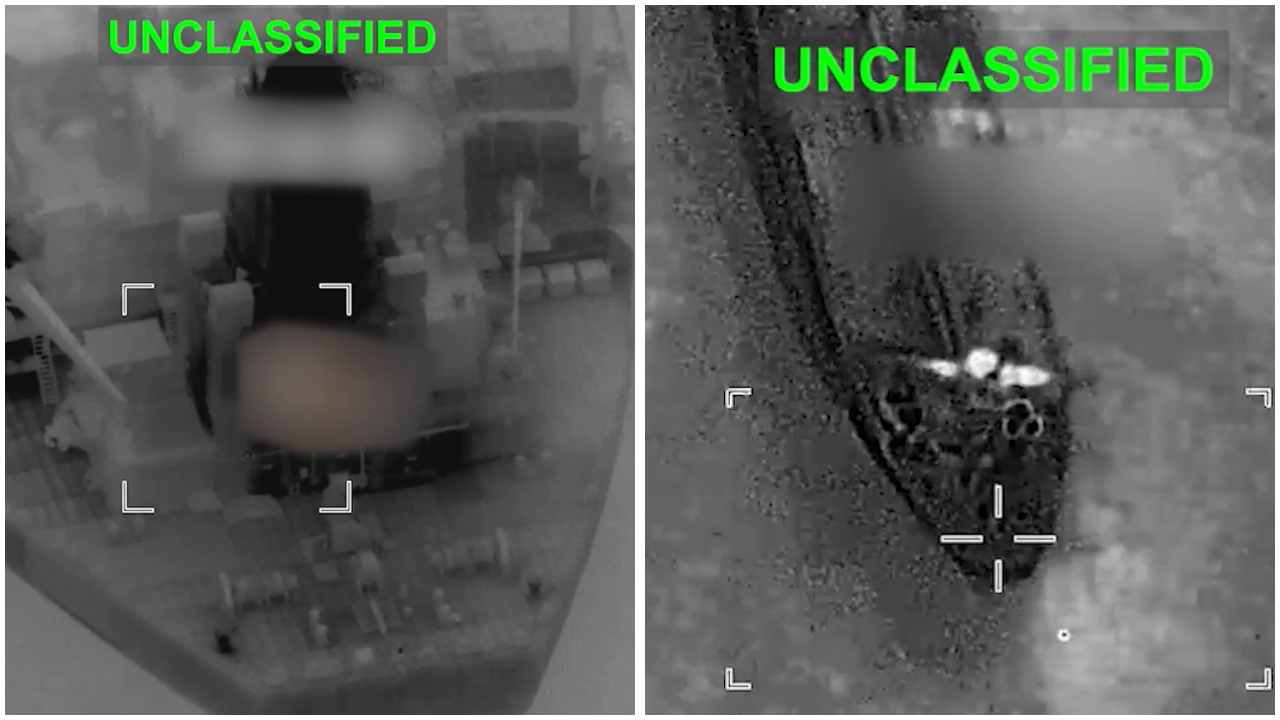
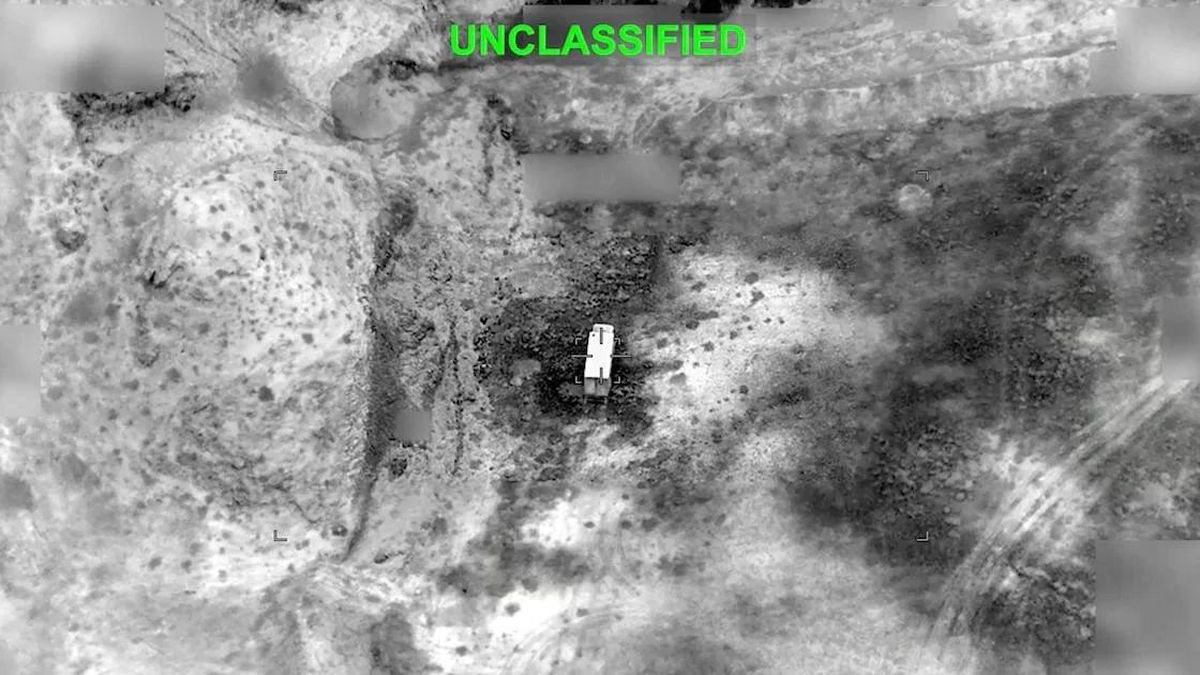
The United States reimposed a naval blockade on Iranian ports and deployed more than 20 warships along with hundreds of aircraft to support operations in the Middle East. [2] CENTCOM announced the blockade and accused Iran of attacking seven commercial vessels in the past week while launching missiles and drones toward several Gulf countries. [2] The United States conducted strikes on Iranian targets following those accusations. [2] Media reports indicated clashes and exchanges of fire in the Strait of Hormuz region, with air defense systems activated around the Bushehr nuclear power plant. [2] Several areas in southern Iran, including Bandar Abbas, Qeshm Island, and Hengam, were reported as targets of strikes linked to the United States. [2]
Clashing Interpretations of the Ceasefire Terms
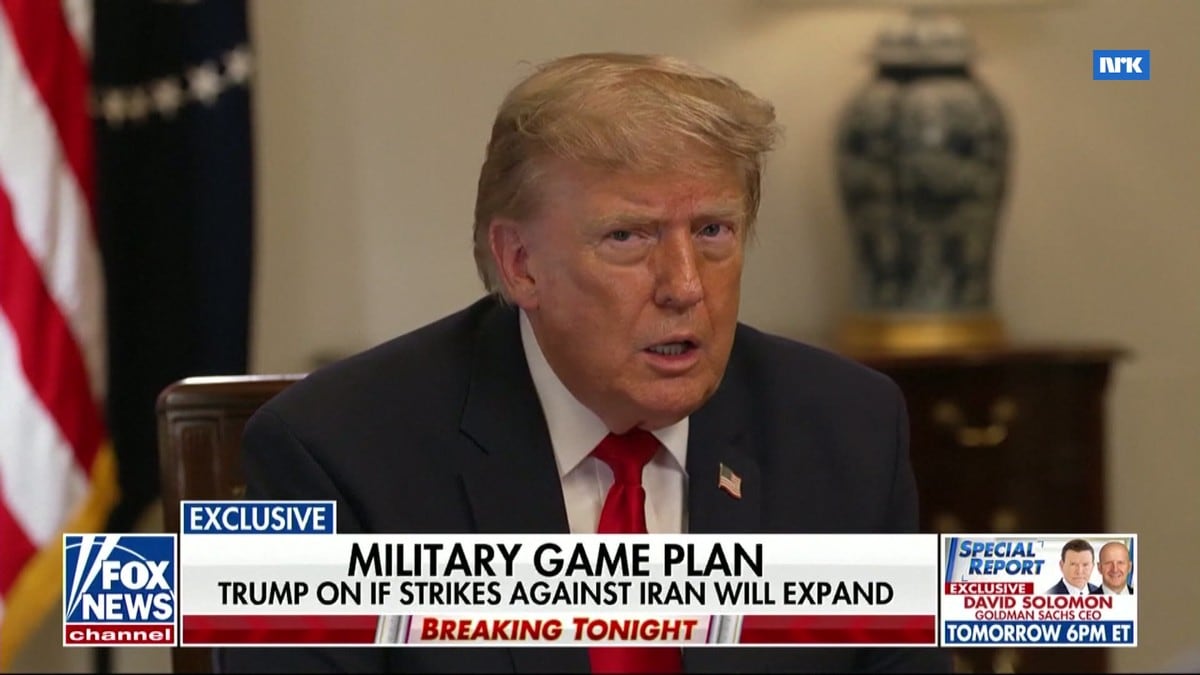
Iran accused the United States of systematic and serious violations of the memorandum by revoking Iranian oil export licenses and increasing military presence near the Gulf. [1] The United States maintains that the agreement requires Iran to halt maritime harassment and end high-level uranium enrichment. [1] Iran holds that the memorandum means U.S. recognition of Tehran's control over the Strait of Hormuz and full withdrawal of American forces from the surrounding region. [1] These deep disagreements triggered new direct military confrontations. [1] President Donald Trump declared the agreement over after Iranian attacks on shipping and ordered renewed strikes along with the naval blockade. [1]
Threats to Close Additional Shipping Routes
Iran threatened to disrupt energy exports via the Bab al-Mandab Strait in response to the U.S. blockade. [2] The threat extended beyond the Strait of Hormuz to another strategic route for global oil shipments. [2] The escalation caused global oil prices to spike sharply and return to recent multi-week highs. [2] CENTCOM head Admiral Brad Cooper linked the U.S. actions to Iranian attacks on commercial vessels in the Strait of Hormuz. [2]
Trump Comments on Iranian Goodwill Gesture
President Donald Trump announced that Iran had released a U.S.-Iranian citizen named Dena Karari who had been wrongfully detained since December 2024. [4] He described the release as a gesture of goodwill by Iran and noted that she was now safely outside the country and in good condition. [4] Attorney Jared Genser confirmed the woman was his client Dena Karari, who had faced bogus charges of collaboration with a hostile state and espionage while operating the nonprofit Children of Mehr Foundation. [4] Trump made the statement while ordering a resumption of strikes against Iran and reimposing the naval blockade of its ports. [4]
Vance Accusations Against Israeli Officials
Vice President JD Vance accused some Israeli officials of manipulating U.S. public opinion to prolong the U.S.-Iran conflict indefinitely. [3] He stated there were individuals in the Israeli system who were attempting to change American opinion so the war would continue without limit. [3] Israel continues to oppose the ceasefire and reserves the right to independent military action against Iran's nuclear program. [1] Reports indicated Israeli concerns that the Trump administration might lose resolve to eliminate Iran's nuclear weapons and shift focus to shipping security in the Strait of Hormuz. [3]
What to watch next: Further U.S. strikes on Iranian targets remain possible if no new nuclear agreement is reached, while Iran has signaled it may continue responses to any blockade or military presence near the Gulf.