Iran Tensions Escalate as US Imposes Sanctions on Key Economic Sectors
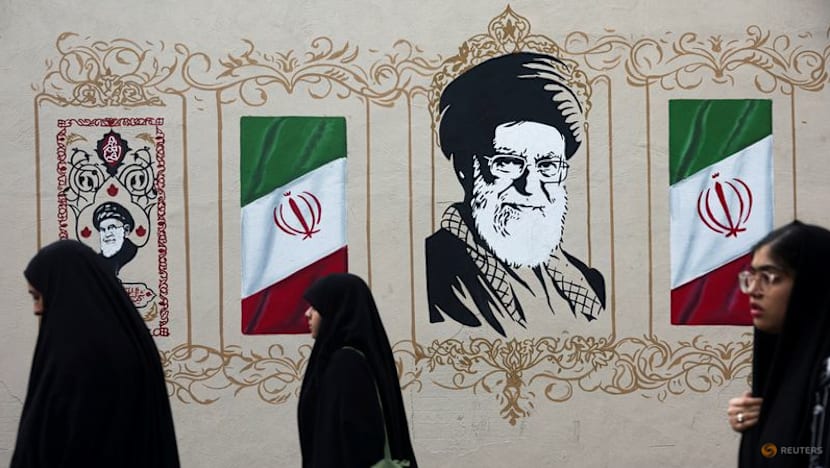
Iran has threatened retaliation after the United States imposed new sanctions targeting its already-struggling economy, digital assets, technology, gold, aviation and shipping sectors as part of an "economic asphyxiation" campaign amid stalled talks to reopen the Strait of Hormuz. [1] Iran tensions have intensified as the measures form part of broader efforts to isolate Tehran economically during the ongoing conflict.
US Sanctions Target Iranian Economy
US Treasury Secretary Scott Bessent declared an "economic D-Day" on Iran, vowing to sever every economic lifeline and hold countries trading with Tehran accountable, with President Donald Trump making calls to world leaders to stop interactions. [2] The Treasury Department said Iran’s digital assets, technology, gold, aviation and shipping sectors would be targeted for sanctions. [2] Bessent told journalists on Monday that the objective is to sever every economic lifeline that sustains this tyrannical regime until Tehran stands alone. [2] He added that the United States will hold everyone accountable and that this is economic asphyxiation of this regime, with countries not joining US sanctions set to share in Iran’s isolation. [2]
Iran's Retaliation Threat
Iran has threatened retaliation as new US sanctions hit its already-struggling economy. [1] Iran in turn vowed to shut down all oil exports from the Gulf. [4] The Iranian President candidly shared his government's perspective during recent diplomatic exchanges. [4] Iran vowed to shut down all oil exports from the Gulf in response to US threats of economic consequences against any country providing a lifeline to Iran. [4]
Market Reactions to Iran Developments
Stocks rose, and oil dipped on Tuesday as investors assessed a US plan for the “economic asphyxiation” of Iran. [2] Both main contracts fell more than two percent on Monday as Bessent’s comments appeared to suggest the United States will hold off military action, but they ticked higher in early Asian trade. [2] Equities mostly rose, shrugging off a negative lead from Wall Street, with tech-rich Seoul reversing early losses to end higher along with Tokyo, Hong Kong, Shanghai, Taipei, Singapore, Sydney and Wellington. [2] His increasingly aggressive economic campaign against Iran is designed to squeeze Tehran’s access to the global financial system while keeping the pressure economic rather than allowing the market to immediately price another military escalation, wrote Stephen Innes, global strategist at Quintex Intel. [2]
China's Stance on Sanctions
China said on Tuesday it would safeguard its interests after Washington laid out plans for the “economic asphyxiation” of Beijing’s economic partner Iran, issuing penalties on some entities including in China and expanding secondary sanctions threats. [3] China has already stated many times that it firmly opposes illegal unilateral sanctions, and China will take all necessary measures to firmly safeguard its own rights and interests, foreign ministry spokesman Lin Jian told a regular news briefing. [3]
Pakistan-Iran Talks Yield Progress
Pakistan and Iran made "significant progress" in talks that focused on the US-Israeli war on Iran and a path to peace. [4] Talks between the two sides focused on measures to prevent further escalation, reopening of the Strait of Hormuz and an expedited termination of the conflict, a statement from the Pakistani military said about the meeting between the country's army chief, Asim Munir, and the Iranian leadership. [4] The two sides also exchanged views on regional peace and the way to arrive at a negotiated settlement to the dispute. [4] Interior Minister Mohsin Naqvi, who accompanied Munir to Tehran, said the Iranian President candidly shared his government's perspective and they had a very constructive exchange on the issues involved. [4] Field Marshal Asim Munir returns after day-long visit to Tehran, where he meets Iranian President Masoud Pezeshkian and other senior officials. [5]
Broader Context of Stalled Negotiations
With the war against Tehran in its sixth month, Treasury Secretary Scott Bessent said the White House was declaring an “economic D-Day” on the Islamic Republic and threatened to hit countries that trade with it. [2] The threat comes with talks to reopen the Strait of Hormuz have stalled, and neither side is showing any sign of backing down. [2] Munir spoke with US President Donald Trump ahead of his Tehran visit. [4] Trump last week warned of economic consequences against any country that provided any type of lifeline to Iran as he seeks to isolate the country. [4] Iran tensions continue amid the lack of progress toward reopening the Strait of Hormuz.
What to watch next: Investors are looking ahead to the much-anticipated release of earnings from Nvidia, with other tech names including Salesforce and Marvell also in focus, as well as this week’s annual gathering of central bankers, economists and finance chiefs in Jackson Hole, Wyoming, where the Federal Reserve’s boss Kevin Warsh is due to speak.