
Iran Tensions Escalate as Trump Declares US Guardian of Strait of Hormuz
Iran tensions have intensified after US President Donald Trump announced that the United States is reinstating a naval blockade on Iran in the Strait of Hormuz, declaring America will act as guardian of the waterway and charge a 20% fee on qualifying cargo for safe passage.
Trump Announces Reinstated Blockade
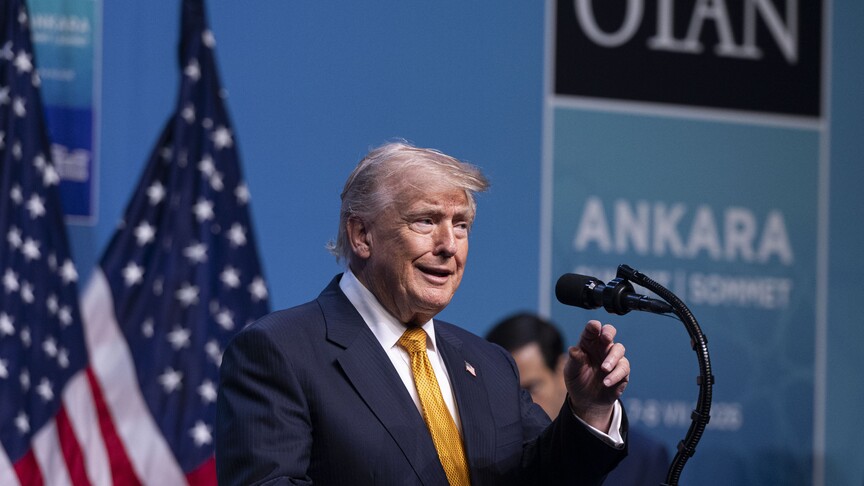
Trump said the United States is reinstating the blockade on Iran in the Strait of Hormuz and will charge ships for safe passage. [3] He posted on social media that Iranian vessels and ships trading with Iran would be barred from transiting the strategic waterway, while other commercial traffic would be allowed to continue under a new system requiring payments for safe passage. [4] “We are reinstating the THE IRANIAN BLOCKADE, so named because it is only stopping Iran’s ships or customers from entering or leaving,” Trump said online. [4] “All other countries will have fair and open use of the Strait.” [4] He said the United States would levy a 20 per cent charge on qualifying cargoes moving through the waterway, describing the measure as a way to fund “any and all costs necessary to do the job of providing safety and security to this very volatile section of the World.” [4] Trump also stated in an interview that the US will restart its naval blockade of Iran and “become the guardian” of the Strait of Hormuz. [5] “The U.S.A. will be, from this point forward, known as ‘THE GUARDIAN OF THE HORMUZ STRAIT,’ but as such, and as a matter of FAIRNESS, will be reimbursed, at the rate of 20% on all cargo shipped, for any and all costs necessary to do the job of providing safety and security to this very volatile section of the World,” he added. [5] “The process and formation will begin immediately,” he said. [5]
Iran Tensions Escalate Amid Latest Exchange of Attacks
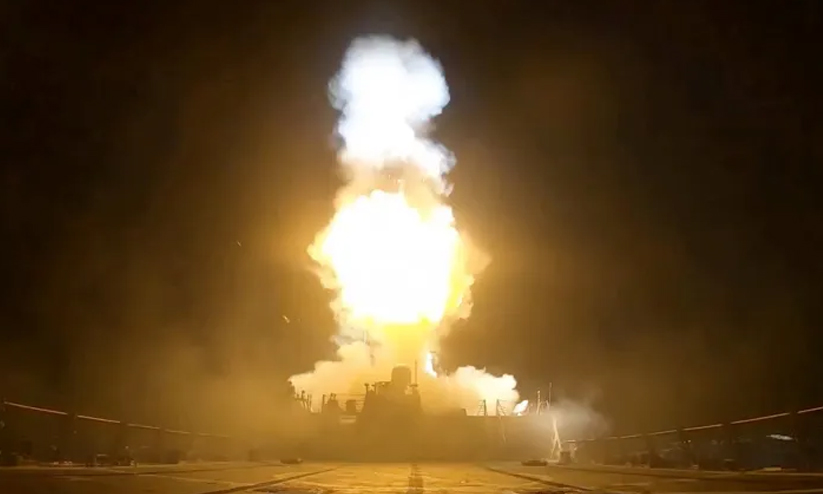
The announcement follows a fresh exchange of attacks between the US and Iran that threatens to derail negotiations aimed at ending the conflict. [3] Trump made the comments shortly after the US and Iran traded their latest round of attacks. [5] Iran said it again struck US military sites in Bahrain, Kuwait, Oman and Jordan, while US forces have been primarily targeting port cities along Iran’s coast. [5] The latest flurry of attacks threatens to scuttle those negotiations. [5] The announcement marked a significant escalation in Washington’s confrontation with Tehran after diplomatic efforts failed to produce a breakthrough and hostilities resumed in recent days. [4]
Claims About Iranian Leadership
Trump claims Iran's Supreme Leader Mojtaba Khamenei is '90% gone'. [1] Trump claims Iran's top military commanders have been killed with its military capabilities severely degraded. [1]
Background on the Memorandum of Understanding
The US and Iran had signed an initial memorandum of understanding in June to pause fighting, lift the naval blockade and open the strait, but key provisions are now dissolving amid disagreements over control of the waterway. [4] They began last month after both sides signed an initial memorandum of understanding (MoU) agreeing to end the fighting, lift the US naval blockade and open the Strait of Hormuz to shipping. [5] The US relaunching its naval blockade represents another key provision of the initial agreement dissolving. [5] More intractable issues, including the future of Iran’s nuclear programme, its access to frozen assets and future administration of the strait, were meant to be negotiated over 60 days following the initial signing of the MoU. [5] The current fighting is largely rooted in disagreement over language in the MoU signed in June. [5] Some officials in Iran have maintained that the agreement allows Tehran to still assert control of passage through the strait, even as it pledges to ensure the safety of that passage. [5] Iranian officials have maintained that attacks on ships that do not comply are therefore justified, with Iranian forces repeatedly targeting vessels using the southern side of the strait close to the Omani coast. [5] The Trump administration has maintained that the agreement should open the strait to all traffic, at least during the 60 days of negotiations, and warned that the Iranian attacks are a violation of the MoU. [5]
Iran's Response and Warnings
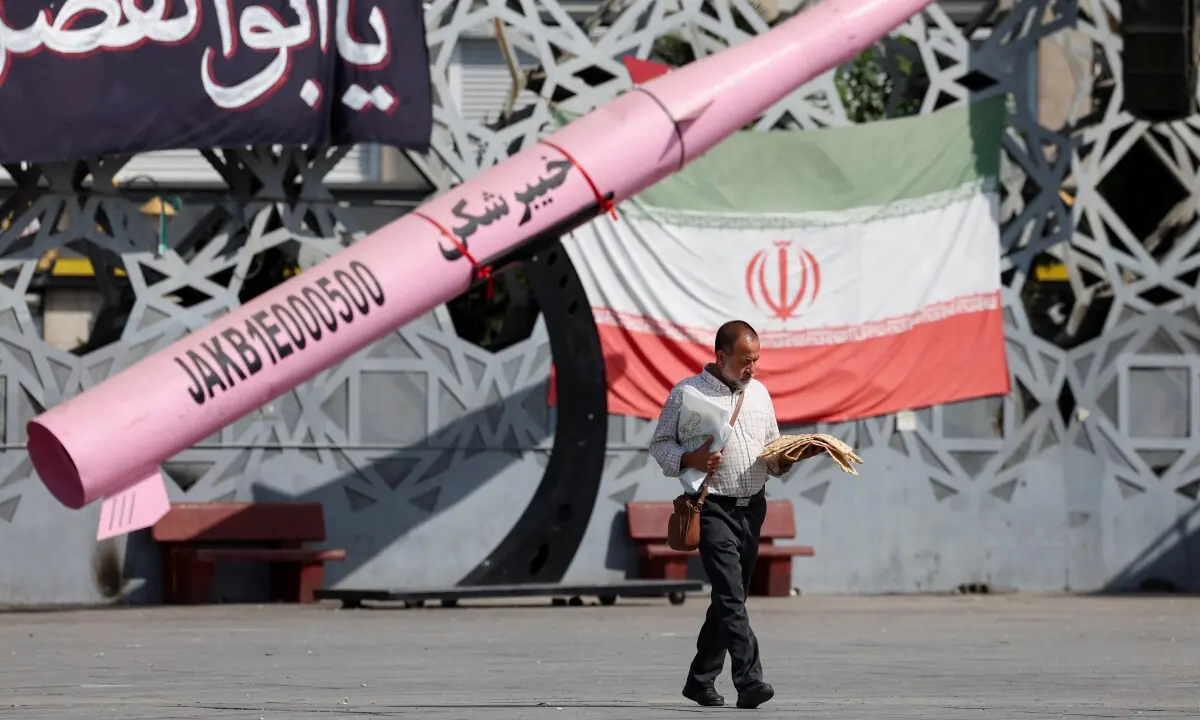
Iran has warned it will not allow US interference in the management of the Strait of Hormuz and will respond forcefully to any disruption, viewing cooperation with the US as an act of war. [5] On Monday, a spokesperson for the Khatam al-Anbiya Central Headquarters, Iran’s joint military command, warned Washington and any of its allies against moving forward with such a plan. [5] “As previously warned, we will not, under any circumstances, allow the US to interfere in the management of the Strait of Hormuz,” the spokesperson said. [5] “Iran’s Armed Forces will respond forcefully to any disruption to the passage of commercial vessels and oil tankers by the invading US military outside Iran’s designated shipping route and without authorisation from Iran’s armed forces. [5] “Regional leaders are warned that any cooperation with the US or logistical support for its invading military will be regarded as an act of war against Iran’s sovereignty and national security,” the command said. [5] Despite ongoing fighting, both sides have indicated a desire not to return to full-fledged war. [5] The US and Israel launched the current war against Iran on February 28, but fighting had largely been paused since April, when a preliminary agreement was reached. [5]
Impact on Shipping and Oil Prices
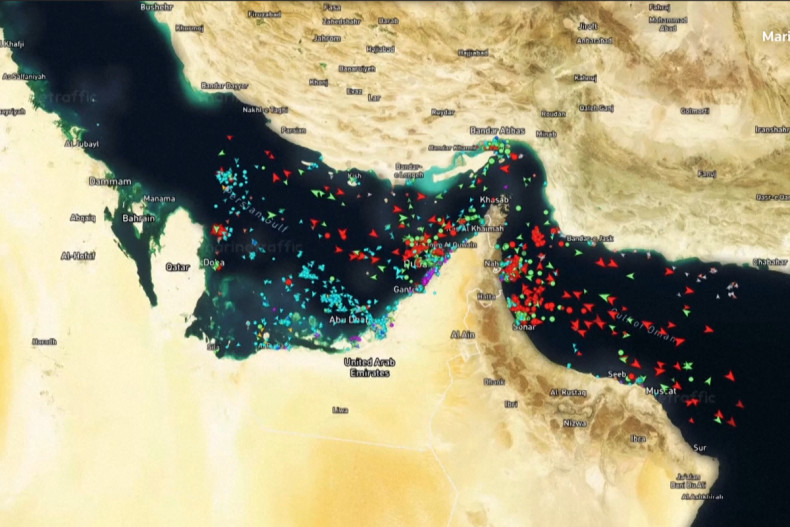
Speaking to Al Jazeera, Dimitris Maniatis, a maritime security analyst, said there has been a “drastic decline” in the number of commercial vessels passing through the strait since the latest attacks. [5] That came after a “tremendous increase” in traffic when the MoU was signed in June. [5] Oil prices jump as US and Iran trade attacks over Strait of Hormuz. [5]
What to watch next: Both sides have indicated a desire not to return to full-fledged war even as the US relaunching its naval blockade represents another key provision of the initial agreement dissolving and more intractable issues were meant to be negotiated over 60 days following the initial signing of the MoU.