Iran Tensions Ease as US Signs Memorandum to End War and Resume Hormuz Oil Flows
Amid easing Iran tensions, the United States and Iran have signed a Memorandum of Understanding to end their nearly four-month war, with 12.5 million barrels of oil now flowing through the Strait of Hormuz and a 60-day ceasefire period beginning immediately ahead of talks in Switzerland. [1]
US and Iran Sign Ceasefire Memorandum
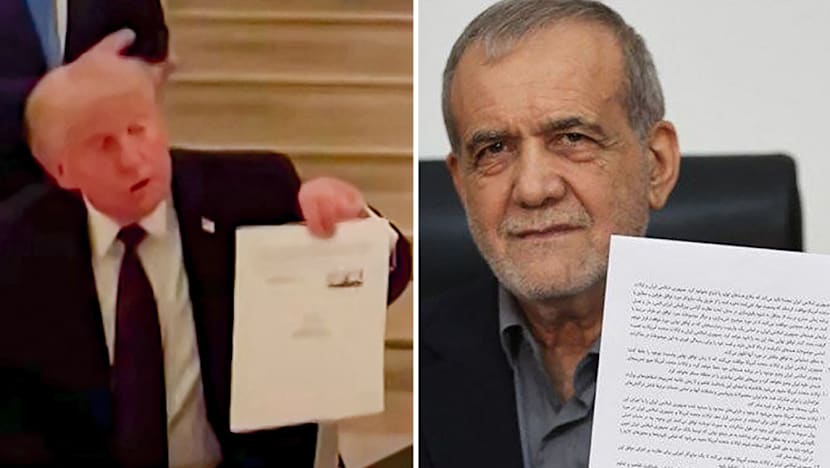
US Vice President JD Vance stated on Thursday that 12.5 million barrels of oil flowed through the Strait of Hormuz following the signing of the Memorandum of Understanding between the United States and Iran. [1] The vice president also confirmed that the 60-day ceasefire period between the two countries will start today. [1] The US and Iran have officially signed the memorandum to end the war. [1] Iranian President Masoud Pezeshkian described the deal as historic and a product of national resilience and responsible diplomacy. [1] The agreement includes reopening the Strait of Hormuz for commercial shipping, lifting US oil sanctions on Iran, and a framework for a final nuclear agreement within 60 days. [4] Under the deal, the US will lift its blockade of Iranian ports and Iran will reopen the Strait of Hormuz for international commercial shipping. [4] Washington also committed to immediately waiving oil sanctions crippling Iran’s economy. [4]
Talks Set for Switzerland with Mediators
Initial US-Iran talks are scheduled for Friday in the mountain resort of Burgenstock, Switzerland, mediated by Qatar and Pakistan. [1] The deal provides a 60-day timeline for further talks to reach a final agreement on Iran’s nuclear program. [4] The text of the deal states that both Iran and the US, and their allies in the current war, declare the immediate and permanent termination of military operations on all fronts, including in Lebanon, and foresees that a final deal to bring about a permanent termination of the war will be reached within 60 days before August 17. [5] The agreement re-opens the Strait of Hormuz but only starts a 60-day negotiating clock to address Iran’s nuclear program. [2]
Republican Criticism and Israeli Rejection
The deal with Iran has opened a rare breach with Republican hawks, who warn that the agreement falls far short of the sweeping victory promised and could leave Tehran richer, stronger, and still able to threaten the region. [1] The terms have alarmed some of the same Republicans who spent years denouncing Democratic former president Barack Obama’s 2015 nuclear agreement with Iran as dangerously weak. [1] Israel has labeled the deal a disaster incompatible with its security interests. [2] Israelis across the political spectrum have called the deal a disaster. [2] Israeli forces continue attacks in Lebanon and Gaza despite its inclusion in the US-Iran MoU for Lebanon, with at least three people killed in the country on Thursday as well as in the Palestinian enclave. [1] A senior official close to Israeli Prime Minister Benjamin Netanyahu said Israel has no intention of backing down on its positions regarding its continued military action in Lebanon. [5]
Pakistan's Role and Bilateral Support
Pakistan’s Prime Minister Shehbaz Sharif praised the Islamabad MoU as landmark and pledged continued support to Iran during a call with Pezeshkian. [4] The prime minister told Iran’s President Dr Masoud Pezeshkian that the recently signed Islamabad Memorandum of Understanding between Washington and Tehran would go a long way towards rebuilding Iran. [4] PM Shehbaz congratulated Pezeshkian, the Iranian leadership and the brotherly people of Iran on the signing of the historic peace deal. [4] The landmark deal, he said, would not only help restore peace in the region, but also go a long way in rebuilding the Iranian nation and further strengthening Pakistan-Iran ties across all areas of mutual interest. [4] President Pezeshkian thanked PM Shehbaz and Chief of Defence Forces and Chief of the Army Staff Field Marshal Asim Munir for their extremely critical roles in steering the mediation process with great skill and sincerity. [4] Both leaders agreed to visit the capitals of each other’s countries at the earliest possible opportunity to carry forward the excellent cooperation between the two sides in bilateral as well as regional matters. [4]
International Reactions and Regional Stability
Cyprus welcomed the deal as a step toward stability and dialogue. [5] Foreign Minister Constantinos Kombos acclaimed the deal signed by Iran and the United States to bring a halt to the war as an important step towards strengthening regional stability in a telephone call with Iranian Foreign Minister Seyyed Abbas Araghchi. [5] He welcomed the deal, which was signed by Iranian President Masoud Pezeshkian and US President Donald Trump on Thursday, and both he and Araghchi underlined the importance of continued dialogue and diplomatic engagement. [5] Iranian foreign ministry spokesman Esmail Baghaei has warned that the continuation of the Zionist entity’s attacks on Lebanon will be a violation of the pledges contained in Thursday’s deal. [5] The Zionist entity does not want to provide any opportunity for any diplomatic path to calm the situation in our region, he told Lebanese news website Al Akhbar. [5] Earlier in the week, when the announcement of an agreement was first made, Cyprus’ foreign ministry had said that it represents a critical step for sustained de-escalation across the region, including Lebanon, and for the restoration of freedom of navigation. [5]
Economic and Reconstruction Provisions
The deal includes reopening the Strait of Hormuz for commercial shipping, lifting US oil sanctions on Iran, and a framework for a final nuclear agreement within 60 days. [4] Under the deal, the US will lift its blockade of Iranian ports and Iran will reopen the Strait of Hormuz for international commercial shipping. [4] Washington also committed to immediately waiving oil sanctions crippling Iran’s economy. [4] And once a final agreement is reached on Iran’s nuclear ambitions, the US will also facilitate the release of a $300 billion reconstruction fund supported by regional nations, the deal says. [4] The agreement has been widely welcomed by the international community after the conflict sent shockwaves across the globe as energy prices skyrocketed due to the Hormuz crisis. [4]
What to watch next: Initial talks between the US and Iran are set to go ahead in Switzerland on Friday in the mountain resort of Burgenstock, which will also involve key mediators Qatar and Pakistan, while both sides work toward a final deal before August 17.