:quality(30):format(webp):focal(0.5x0.5:0.5x0.5)/aceh/foto/bank/originals/Balas-AS-Iran-Mulai-Operasi-Saeqeh-ke-11-Gempur-Pangkalan-AS-di-Bahrain.jpg)

Iran Strikes US Bases in Bahrain and Kuwait as Conflict Enters Seventh Night
The United States and Iran exchanged strikes for a seventh consecutive night on July 18, 2026, with US forces targeting Iranian military and infrastructure sites while Iran strikes using drone and missile attacks on US bases and assets in Bahrain, Kuwait, Jordan and elsewhere amid escalating conflict over the Strait of Hormuz. [3]
Seventh Night of US Strikes on Iran
US Central Command reported completing its seventh night of strikes hitting Iranian surveillance sites, military logistics infrastructure, underground weapons storage and maritime capabilities, with over 50,000 US personnel on alert in the region. [2] The strikes involved US warplanes, drones and warships, according to a CENTCOM statement that noted the actions followed instructions from President Donald Trump. [2] US Central Command described the operations as continuing to degrade Iranian military capabilities. [4] In an address to the American public, Trump stated that the war was going well and that the United States was winning big in Iran. [3] The US military also reimposed a naval blockade on Iranian ports. [3]
Iran's Strikes in Retaliatory Operation Saeqeh Phase 11
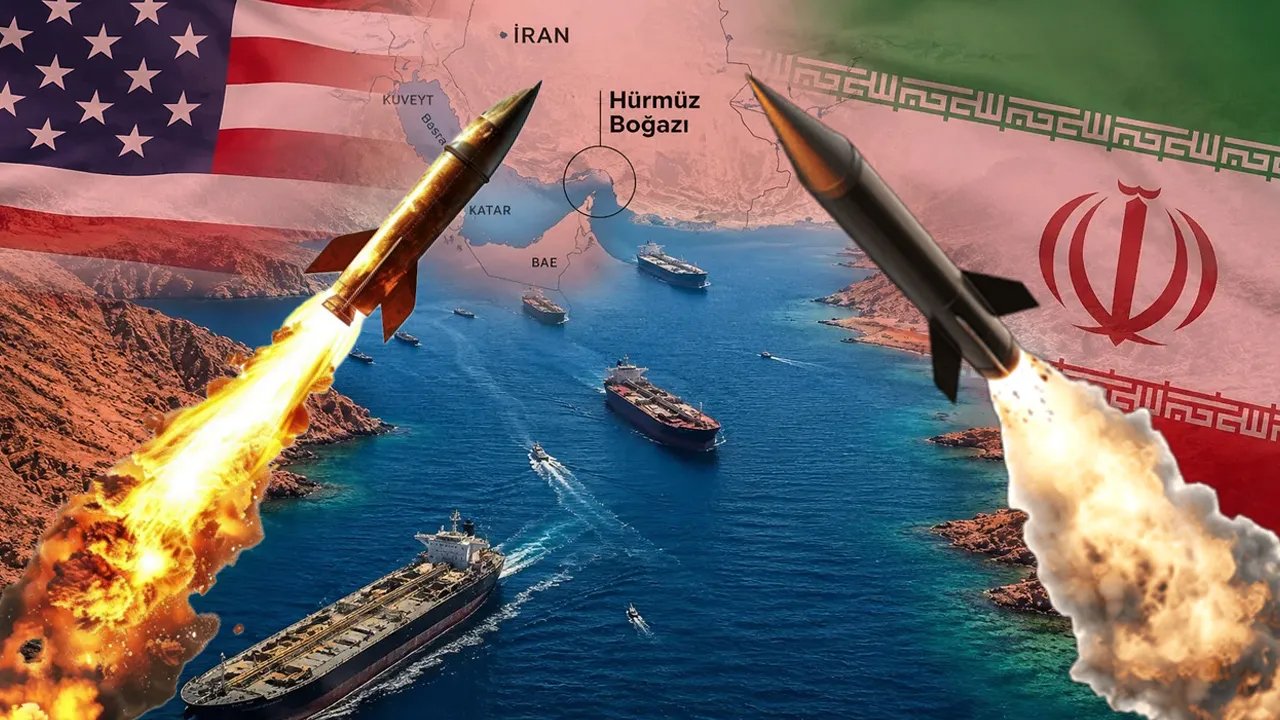
US and Iranian forces exchange strikes on military sites in the Gulf region on seventh night of conflict. — Source: gdelt Iran launched phase 11 of Operation Saeqeh using Arash one-way attack drones targeting US helicopters and P-8 reconnaissance aircraft at Al Sakhir base in Bahrain, and struck additional US bases in Kuwait and Jordan. [1] The Iranian military announced the phase as a response to prior US attacks on civilian infrastructure. [1] Iran’s army issued a statement warning that any miscalculation regarding the will of the Iranian people or the capabilities of the army and Islamic Revolutionary Guard Corps would bring heavy consequences for the arrogant enemy. [1] Former Indonesian ambassador to Iran Dian Wirengjurit assessed that Iran had prepared a mature defense strategy in advance, noting that Iran only responds after being attacked and does not initiate conflict. [1] Iran’s Revolutionary Guards stated they would no longer limit responses to like-for-like actions and that no political border would be safe if US strikes continued. [4]
Impacts on Gulf States
Kuwait reported multiple Iranian missile and drone attacks that hit a water desalination and electricity plant causing fires and injuries, with its air defenses intercepting threats and briefly closing its airspace. [3] Kuwait’s electricity and water ministry said another plant was targeted, leading to deactivation of power generation units and a fire. [4] Kuwait’s air defenses responded to four waves of attacks, and the country briefly closed airspace in the morning due to missile threats. [2] Jordan’s air defenses downed 10 Iranian missiles with no reported casualties or damage, while Bahrain activated air raid sirens multiple times as its defenses repelled Iranian aerial assaults. [2] Bahrain’s army said its air defenses thwarted attacks and intercepted Iranian aerial assaults after sirens sounded. [4] Iraq reported shooting down attack drones over Irbil. [3]
Damage and Casualties in Iran
Iranian strikes have damaged infrastructure including an electricity and desalination plant in Hormozgan province, tunnels, bridges and sites on Qeshm Island near the Strait of Hormuz, contributing to at least 46 deaths and over 400 injuries in Iran from recent US attacks. [3] US airstrikes hit an electricity and desalination plant in southern Hormozgan province and damaged tunnels and a bridge on a main highway toward Bandar Abbas. [3] Strikes also affected highways, railway bridges and sites on Qeshm Island inside the Strait of Hormuz. [3] Iranian authorities reported at least 46 people killed and more than 400 wounded in recent US strikes, including eight killed in a bridge attack. [3] Iran’s Energy Ministry called for reduced power use in southern provinces experiencing extreme heat after acknowledging attacks on power infrastructure. [3]
Strait of Hormuz and Economic Effects
The conflict has reduced shipping through the Strait of Hormuz to a three-week low, pushing oil prices above $86 per barrel, with Iran closing the waterway to traffic and demanding fees for passage. [3] Iran has said the strait must be under its sole control and that vessels should pay fees to Tehran. [3] Crossings through the strait fell to a three-week low of just eight vessels on Thursday, according to an international shipping tracker. [3] The price of oil rose above $86 a barrel as crossings declined. [3] Iran effectively closed the strait to shipping traffic after the war started Feb. 28. [3] The US reimposed a naval blockade on Iranian ports to halt crude oil shipments. [3]
Context and Warnings from Both Sides
Analysts noted Iran’s preparedness stems from long-term defense planning that enabled rapid responses after being attacked first. [1] Iran’s Revolutionary Guards warned countries hosting US forces to be prepared for a corresponding response. [3] Major General Mohsen Rezaei stated that Iran would resume full-scale offensive operations if US strikes continued for another two or three days. [4] Dian Wirengjurit observed that Iran’s ability to deliver lethal responses surprised Israel and the United States in prior conflicts. [1] The collapse of an interim ceasefire has left no clear end in sight for the war that began more than four months ago. [3]
What to watch next: Iran has warned it will no longer limit itself to retaliatory responses if US strikes continue, while the US maintains its naval blockade and pressure on infrastructure near the Strait of Hormuz.