Iran Strikes 2026: The Overlooked Role of Proxy Militias in Escalating Regional Instability
The Story
The narrative of the 2026 Iran strikes unfolds with chilling rapidity, a sequence of precision attacks that have crippled key Iranian infrastructure and signaled a new phase of open warfare. It began on March 18, 2026, with a devastating strike on Iran's Pars Gas Field, one of the world's largest natural gas reservoirs, disrupting energy exports and sending shockwaves through global markets. Just one day later, on March 19, Israeli forces escalated by targeting assets in the Caspian Sea, including naval installations critical to Iran's regional maritime presence. Anadolu Agency reported these as direct hits on Caspian naval assets, underscoring Israel's intent to neutralize Iran's northern flank.
By March 20, the tempo intensified: Israeli airstrikes hammered northern Iran, while simultaneous operations disrupted Tehran's Nowruz celebrations—a culturally sacred Persian New Year festival symbolizing renewal. Dawn's War Diary Day 29 detailed how these industrial strikes on gas fields, naval bases, and civilian-adjacent sites triggered "wider retaliation," with explosions echoing through Tehran. Fast-forward to March 26-28, and the offensive has morphed into a full-spectrum assault: US missile strikes on Bandar Anzali port, the killing of Iran's navy chief, hits on nuclear sites like the deteriorating Bushehr plant (as per Rosatom via Newsmax), steel plants, and even a water reservoir in southwestern Iran.
Anadolu Agency's live updates confirm new explosions rocking Tehran on March 28, with the Israeli army publicly stating it struck the Marine Industries Organization headquarters—a nerve center for armaments. Times of India released US footage of naval vessel strikes, framing them as payback for decades of shipping harassment via proxies like the Houthis. Clarin reports live from the "guerra" front, noting Israeli attacks on Tehran naval armaments and Iranian threats to US universities, hinting at extraterritorial escalation.
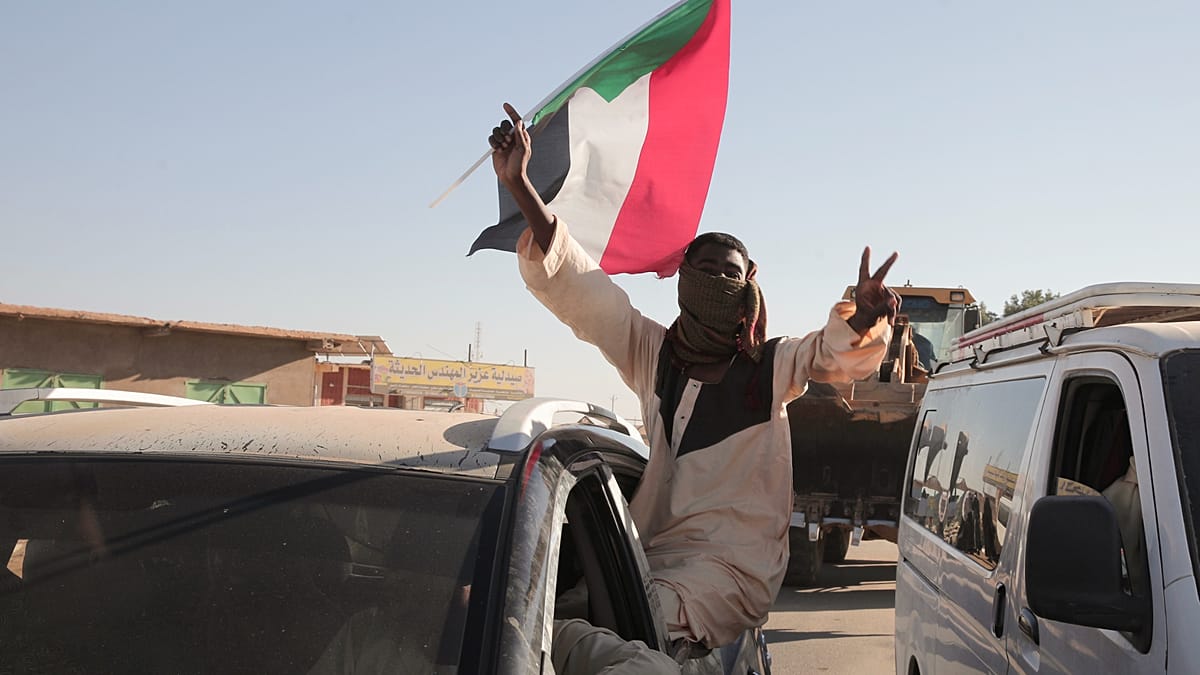
This isn't isolated aggression; it's a pattern mirroring historical escalations. The March 18-20 timeline echoes the 2019-2020 shadow war, where strikes on oil tankers and Soleimani's assassination drew in proxies. Nowruz disruptions carry symbolic weight, evoking cultural desecration akin to Yemen's proxy-fueled civil war, where Houthi militias thrived on Iranian backing amid Saudi strikes. Al Jazeera notes Iranian lawmakers pushing to exit the NPT amid hits on nuclear sites, a desperate bid for leverage. Yet, amid the rubble, a subtler threat emerges: power vacuums fostering non-state actors. Previous coverage fixated on tech (drones, missiles), environment (gas fields), economics (oil), and humanitarian tolls, but proxy militias—Hezbollah in Lebanon, Houthis in Yemen, Shia militias in Iraq—lurk as the wildcard, empowered by anti-Western fervor and Tehran's covert aid networks.
Recent event timeline amplifies this: March 27's IDF nuclear site strike and US-Israeli steel hits killed eight, per high-confidence reports, while March 28's naval center attack risks spilling into proxy domains. Israel's threats to dismantle "all components" of Iran's defense industry (Anadolu) could fracture state control, inviting militias to fill voids, much like Syria's civil war birthed ISIS from Assad's weaknesses.
The Players
At the epicenter: Israel, led by a hawkish government post-Hezbollah command decapitations (Clarin), motivated by existential threats from Iran's nuclear ambitions and proxy encirclement. Prime Minister Netanyahu's strategy—preemptive industrial decapitation—aims to hobble Tehran's conventional forces, forcing reliance on irregulars it can't fully control.
The US, under a Trump-aligned GOP unified at CPAC (Newsmax), provides airstrikes and intelligence, driven by shipping security (Red Sea/Hormuz threats) and countering Iran's "axis of resistance." Motivations blend deterrence with domestic politics: Republicans rally behind escalation to project strength.
Iran's regime, cornered, threatens US universities (Clarin) and mulls NPT exit (Al Jazeera), motivated by regime survival. Supreme Leader Khamenei's inner circle funnels arms to proxies, but strikes on Bushehr (deteriorating per Rosatom) and naval chiefs expose vulnerabilities.
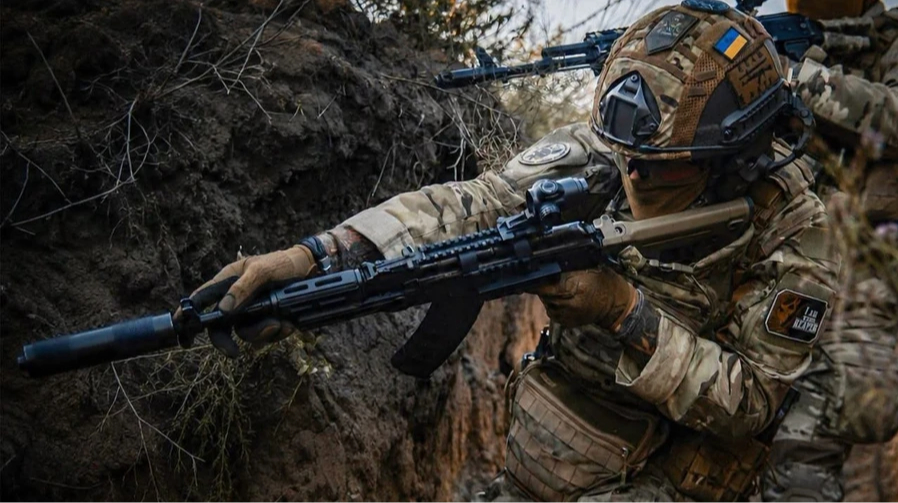
Enter the unique angle: proxy militias. Hezbollah, battle-hardened from Syria, eyes Lebanese border for rocket barrages, motivated by ideological jihad and Iranian funding. Houthis, fresh from Red Sea disruptions, could blockade Hormuz, leveraging US naval strike footage (Times of India) for recruitment. Iraqi PMF militias and Palestinian Hamas/IJ fragments share anti-Israel zeal, thriving on power vacuums. Their position: opportunistic escalation, turning state losses into asymmetric gains—cyber hacks, drone swarms, or embassy attacks—historically amplifying conflicts like Yemen (Saudi vs. Houthis) or Syria (Assad vs. rebels/proxies).
Newsmax's CPAC coverage reveals US domestic players: Trump supporters framing this as "Iran war" payback. Globally, Russia (Bushehr ties) and China watch, potentially arming proxies indirectly. For deeper insights into emerging cyber dimensions from these proxy networks, see our coverage on Iran War Day 30: The Rising Tide of Cyber Warfare.
The Stakes
Politically, stakes are existential. For Israel, failure risks proxy encirclement; success could reshape Middle East alliances. Iran faces regime collapse if proxies defect or overextend, with NPT exit risking isolation. US politics: escalation bolsters hawks but invites quagmire accusations.
Economically, industrial hits—Pars Gas, steel, naval—threaten 20% of global LNG via proxies disrupting shipping. Humanitarian toll: Nowruz chaos, water reservoir strikes (Anadolu), and Tehran blasts displace thousands, exacerbate famine risks in proxy zones like Yemen.
Broader: proxy empowerment shifts to asymmetric warfare, drawing Lebanon, Yemen, Iraq into vortex, mirroring 1980s Lebanon or 2010s Syria. Global repercussions include refugee waves to Europe, terror exports, and nuclear proliferation if Bushehr meltdowns occur.
Catalyst AI Market Prediction
The World Now's Catalyst AI analyzes escalation impacts:
- OIL: Predicted + (high confidence) — Multiple ME escalations (Iran strikes, Lebanon invasion, Houthis) threaten Strait of Hormuz/Red Sea supply, spiking risk premium. Historical precedent: 2019 Iran-Saudi attack when oil +15% in 1 day. Key risk: US-Iran talks accelerate de-escalation. Calibration (48% accurate, Infinityx) moderates from precedent.
- BTC: Predicted - (medium confidence) — Risk-off sentiment from ME war headlines triggers BTC selling as risk asset, not safe haven. Historical precedent: Feb 2022 Ukraine invasion, BTC -10% in 48h. Key risk: Safe-haven narrative gains traction. Calibration (38% accurate, 14x overestimation) narrows range.
- SPX: Predicted - (medium confidence) — Broad risk-off from ME escalation spills to global equities via algos de-risking. Historical precedent: Oct 2018 US-China tariffs, SPX -5% in days. Key risk: Oil beneficiaries (energy stocks) offset. Calibration (60% accurate) supports. Alternate: Geopolitical risk-off triggers algorithmic de-risking from ME tensions and oil spike (2022 Russia-Ukraine: 10% drop in first week).
- EUR: Predicted - (medium confidence) — Risk-off weakens EUR vs USD safe haven on ME risks. Historical precedent: Feb 2022 Ukraine, EURUSD -2% in 48h. Key risk: ECB hawkishness supports. Calibration (37% accurate, 2.1x) modest.
- SOL: Predicted - (medium confidence) — High-beta crypto sells off harder on risk-off and reg news. Historical precedent: 2022 geopolitics amplified SOL drops; poor 17% accuracy, narrow range. Key risk: ecosystem news counters sentiment.
Predictions powered by The World Now Catalyst Engine. Track real-time AI predictions for 28+ assets. Explore more at Catalyst AI — Market Predictions.
The Stakes (Expanded Analysis)
Delving deeper, the stakes transcend binaries. Politically, Iran's proxy network—estimated at 200,000 fighters across fronts—could fracture if Tehran withholds funds amid economic siege. Hezbollah's 150,000 rockets threaten Tel Aviv, but internal Lebanese divisions (Sunni vs. Shia) risk civil war redux. Houthis, controlling Yemen's ports, hold 10% of global oil transit hostage, per US claims (Times of India), amid Iran's internal turmoil reshaping naval alliances in the Strait of Hormuz.
Economically, Catalyst AI flags oil spikes as high-confidence, with precedents like 2019's 15% surge. Gas field hits compound this: Pars supplies 10% of Iran's exports, proxy disruptions could add $50/barrel premiums. Equities (SPX -5-10%) face algo selloffs, cryptos (BTC/SOL double-digit drops) as risk assets falter vs. safe-haven gold/USD.
Humanitarian: 2026's Nowruz strikes amid 1 million Tehran evacuees evoke Gaza's plight, but proxies amplify—Houthi famines, Hezbollah human shields. Nuclear stakes: Bushehr's decay (Rosatom) risks Chernobyl-lite if proxies sabotage, per Al Jazeera's NPT context.
Geopolitically, Russia/China proxy arms could globalize, UN interventions falter sans consensus.
Looking Ahead
Proxies loom large: expect Hezbollah rocket salvos by April 1, Houthi Hormuz drones mid-April, cyber from Iraqi PMF. Scenarios: 1) Proxy surge expands to "regional intifada," oil $150/barrel, UNSC deadlock. 2) De-escalation via Oman/Qatar talks, if Trump leverages CPAC unity. 3) Worst: Bushehr incident draws NATO, proxy nukes rhetoric.
Key dates: April 1 (Iranian response window), CPAC fallout (US policy), NPT vote. High risk of prolonged instability if proxies dominate, birthing a decade-long shadow war.
This is a developing story and will be updated as more information becomes available.