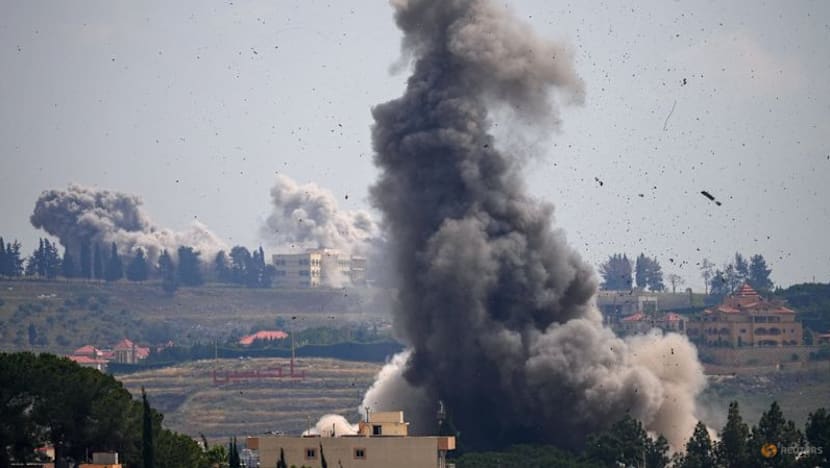
Iran Strike Hits Trade Ships in Strait of Hormuz
Iran has launched strikes on trade ships in the Strait of Hormuz amid ongoing tensions, marking a sharp escalation in the volatile waterway that serves as a critical chokepoint for global oil trade.[1] This strike Iran conducted has drawn international attention, with reports confirming attacks on commercial vessels as diplomatic efforts falter.[1][4] The Islamic Revolutionary Guard Corps (IRGC) has moved aggressively, asserting dominance over the strait while the US-Iran standoff shows no signs of resolution.[4][5]
Overview of Recent Strikes in the Strait of Hormuz
The recent strikes in the Strait of Hormuz represent a direct challenge to international shipping lanes, with trade ships coming under fire as Iran's efforts to reopen its ports stumble.[1] According to reports, these attacks have disrupted normal maritime traffic in one of the world's most strategically vital passages, where roughly 20% of global oil supplies transit daily—though exact volumes affected remain tied to the immediate incidents described.[1] The IRGC, Iran's elite military force, explicitly launched these strikes on ships within the strait, framing the action as a means to assert control over the waterway amid broader pressures.[4]
This escalation follows a pattern of heightened military posturing in the region. Iran's decision to target trade vessels coincides with faltering attempts at economic reopening, where blockades and sanctions have constrained port access.[1][4] Eyewitness accounts and initial reports highlight the precision of the strikes, aimed at underscoring Tehran's resolve rather than causing widespread destruction, though the impact on commercial operations has been immediate and tangible.[1][4] For instance, the strikes have forced vessels to alter courses or halt progress, amplifying risks for carriers navigating the narrow confines of the strait, which spans just 21 miles at its narrowest point.[5]
The context of these events is rooted in ongoing frictions, including US-imposed blockades on Iranian ports that President Donald Trump has refused to lift.[4] This refusal has prompted Iran to respond with military demonstrations, using the strait as a leverage point in the dispute. The strikes serve not only as a tactical move but also as a signal to adversaries, reinforcing Iran's capability to influence global energy flows through this critical artery.[1][4] International observers note that such actions heighten the peril for neutral shipping, potentially leading to rerouting and increased insurance premiums, though these dynamics are directly linked to the reported hits on trade ships.[1][5]
US Military Involvement and Casualties
US forces have borne significant losses in the broader Iran war, with CENTCOM reporting that thirteen US troops were killed and nearly four hundred wounded.[2] These casualties underscore the intensity of the conflict, where American military engagements have intersected with Iranian operations, including those extending to contested areas like the Strait of Hormuz.[2]
The toll reflects sustained combat operations against Iranian-backed forces and direct confrontations, as detailed by the US Central Command.[2] This level of wounding—approaching four hundred—indicates large-scale clashes, likely involving ground, air, and possibly naval elements amid the war's expansion.[2] CENTCOM's confirmation provides a stark metric of the human cost, highlighting how the Iran conflict has strained US resources and prompted internal assessments of operational effectiveness.[2]
In the context of the strait strikes, these figures gain added weight, as US naval presence in the region patrols to secure shipping lanes against precisely such threats.[2] The casualties reported do not specify locations but align temporally with heightened tensions in the Persian Gulf theater, where American assets have been deployed to counter IRGC activities.[2] This involvement has positioned US troops at the forefront of any potential spillover from ship strikes, amplifying the stakes for coalition partners monitoring the waterway.[2]
Escalation of the US-Iran Standoff
The US-Iran standoff in the Strait of Hormuz remains deadlocked just days before a ceasefire deadline, with diplomacy trapped in a cycle of recriminations.[5] Iran has categorically rejected claims by US President Donald Trump that Tehran agreed to major concessions, dismissing them as fabrications.[5] In response, Iranian officials announced plans to tighten control over the waterway, pointing to alleged US violations and what they term "bogus victory claims" from Washington.[5]
This rhetorical clash has fueled operational escalations, including the recent gunfire incidents that struck ships and compelled international vessels, such as those from India, to reverse course.[5] New Delhi lodged a strong protest over the disruptions, emphasizing the threat to its commercial interests in the strait.[5] Both the US and Iran are now operating on high alert, with naval forces poised for rapid response, transforming the area into a tinderbox of military readiness.[5]
The rejection of US assertions marks a pivotal moment, as it undermines fragile truce talks and elevates the risk of miscalculation.[5] Iran's move to clamp down on the strait is portrayed domestically as a defensive necessity, countering perceived aggressions like port blockades, while the US views it as provocative saber-rattling.[5] This impasse extends the standoff, with no breakthroughs reported, leaving the ceasefire's viability in serious doubt.[5]
Broader Regional Context
The strikes in the Strait of Hormuz occur against a backdrop of intertwined conflicts reshaping the Middle East, including the US and Israel's war on Iran that began on February 28.[3] A US-Iran truce announced on April 8 provided a brief pause, but concurrent Israeli actions—such as the largest wave of strikes on Lebanon—have kept regional tensions simmering.[3] These dynamics have overshadowed other fronts, like the so-called ceasefire between Hamas and Israel declared in October 2025, which has been violated over 2,000 times.[3]
Palestine's displacement from global focus stems from this escalation, as the Iran war draws resources and attention.[3] The IRGC's assertion of control in the strait ties into this wider contest, where Iran's alliances and proxies challenge US-led coalitions across multiple theaters.[3] Israel's "forever wars," as described in regional commentary, intersect with the US-Iran friction, creating a multifaceted environment where strait disruptions amplify pressures on all parties.[3]
This context illustrates how the Hormuz strikes are not isolated but part of a strategic continuum, influencing calculations from Tehran to Tel Aviv and beyond.[3] The truce's fragility underscores the interconnected nature of these disputes, with Iran's waterway maneuvers serving as a counterweight to broader military setbacks.[3]
Current Status and Implications
As of the latest reports, the situation in the Strait of Hormuz remains fluid, with trade ships hit and Iran's reopening efforts faltering under the weight of strikes and blockades.[1] The IRGC's control assertions have led to tangible disruptions, including gunfire that affected international vessels and prompted diplomatic backlash.[5] Both sides maintain high alert postures, with the US-Iran standoff unresolved ahead of key deadlines.[5]
Implications for global shipping are immediate: vessels face heightened risks, as evidenced by Indian ships turning back and issuing protests, signaling broader concerns for trade flows.[5] Iran's tightened grip on the strait, justified by claims of US infractions, could prolong uncertainties, especially as port blockades persist under Trump administration policy.[1][4][5] The combination of military actions and diplomatic gridlock points to sustained volatility, with potential ripple effects on energy markets tied to the route's throughput.[1][5]
What to watch next: Monitor the ceasefire deadline and any IRGC movements in the strait, as Iran has vowed tighter control while rejecting US claims, and gunfire reports continue to impact vessels like those from India.[5]