Iran Stops Khark Island Oil Exports as US Blockade Tightens
Iran Halts Oil Exports Under US Blockade
Iran’s crude oil exports from Khark Island have come to a halt amid a U.S. naval blockade of Iran. [1] Maritime intelligence company Windward reported that all three oil terminals on Khark Island were idle. [1] Al Jazeera cited Windward’s maritime tracking data on Monday, August 10, showing the terminals had stopped operations. [1] The halt occurred as tensions between Washington and Tehran continued to escalate. [1]
Trump Describes Low-Key Contacts With Iran
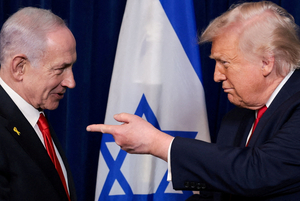
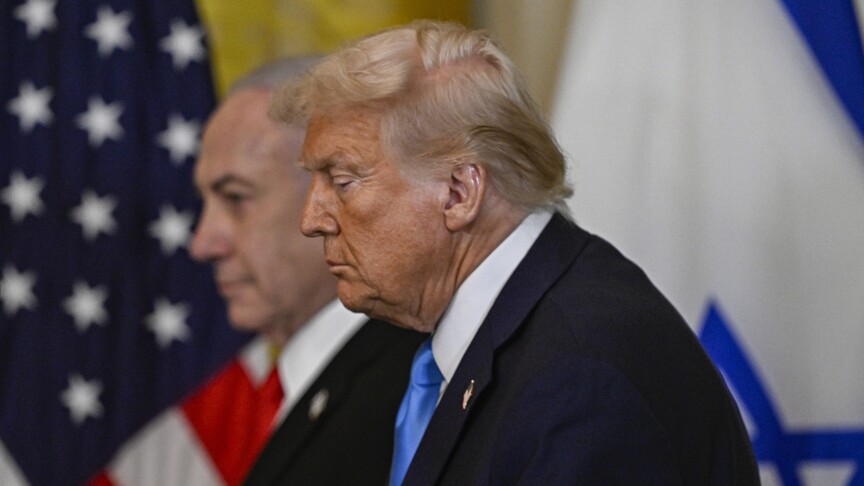
President Donald Trump said his administration is watching economic pressure mount on Iran. [2] “We are low keying it,” Trump stated during a brief phone call. [2] “We are only semi-negotiating with them. We are just watching Iran with its huge inflation and the fact they have no money.” [2] The comments came after months of U.S. military strikes on Iran, sanctions and a blockade. [2]
Iran Sets Conditions for Reopening Strait of Hormuz
Iran said a deal with Oman defining new shipping lanes in the Strait of Hormuz was in its final stages. [2] The waterway would reopen only once the United States met other conditions. [2] Iranian Foreign Minister Abbas Araghchi said an agreement on the strait was in the “final stages” but repeated that it would not reopen unless other conditions were met. [2] He denied that Iran was negotiating with the U.S., saying they were merely “exchanging messages” via intermediaries. [2] Iran’s Revolutionary Guards said they would not reopen the Strait of Hormuz until the U.S. complied with demands including paying compensation for war damage. [2] Iran’s security chief Mohammad Bagher Zolghadr laid out conditions including an end to the “war and aggression against Iran and its allies in Lebanon, Palestine, Yemen and Iraq.” [2] He also demanded the lifting of a U.S. counter-blockade of Iranian ports, the end of sanctions, the release of frozen assets and compensation for wartime damage. [2] Iran’s Revolutionary Guards said their strategy was to maintain the closure “until the enemy accepts all our conditions… the strait is now actually a theatre of war for us and not just a waterway.” [2] Iran has effectively blockaded the crucial energy conduit since the U.S. and Israel attacked it in late February. [2]
Saudi Arabia, Turkey and Pakistan Sign Mutual Defense Pact
Saudi Arabia, Turkey and Pakistan signed the Mecca Joint Defence Agreement on Friday. [3] The agreement establishes a collective defense commitment as the U.S.-Iran war, renewed Houthi attacks and disruptions to Gulf and Red Sea shipping push Riyadh to broaden its security partnerships. [3] The new mutual defense agreement commits the three countries to treat an attack on one member as an attack on all. [3] The three governments described the pact as reflecting a “shared commitment to further strengthening their collective security and to promoting peace, security and stability in the region and beyond.” [3] Pakistan’s foreign ministry said the arrangement is “intended to strengthen collective deterrence.” [3] The pact comes as Saudi Arabia reassesses its security relationships during the war between the United States and Iran. [3] Turkish President Recep Tayyip Erdogan met Saudi Crown Prince Mohammed bin Salman in Mecca on Friday. [3] Pakistani Prime Minister Shehbaz Sharif and army chief Asim Munir also traveled to Saudi Arabia for the agreement. [3] Saudi Deputy Minister for Public Diplomacy Rayed Krimly said the agreement “does not represent an effort to establish a military axis or a sectarian bloc.” [3] The pact builds on an earlier Saudi-Pakistani mutual defense agreement announced in 2025. [3]
Iranian Leadership Meetings and Appointments
Iranian President Masoud Pezeshkian recently met with supreme leader Ayatollah Mojtaba Khamenei. [2] Khamenei’s office said the two “discussed in detail the country’s issues and problems,” including the “current military situation and future prospects.” [2] Khamenei has appointed former commander-in-chief of Revolutionary Guards, Mohsen Rezaee, as his representative to the Supreme National Security Council. [2] His predecessor, Mohammad Bagher Zolghadr, was also a former Guards commander and took up leadership of the council in March. [2] Zolghadr will now become a political adviser to Khamenei. [2]
Regional Context of Renewed Houthi Clashes
A truce between Saudi Arabia and the Iran-backed movement in neighboring Yemen has broken down. [3] Houthi forces have once again attacked Saudi territory and declared a maritime blockade against the kingdom. [3] The Houthis have attempted to enforce that blockade through attacks on Saudi tankers. [3] On Thursday, Houthi missile and drone strikes killed at least 58 Yemeni government troops. [3] The renewed hostilities have produced some of the heaviest casualties seen in years. [3] The U.S. reaffirmed support for Yemen amid renewed clashes with Houthis. [5] Washington highlighted maritime security and counterterrorism during a U.S. envoy’s meeting with Yemeni presidential council chief. [5]
What to watch next: Iran’s Revolutionary Guards have stated they will maintain the closure of the Strait of Hormuz until the U.S. accepts all listed conditions, while the Mecca Joint Defence Agreement continues to shape collective security responses among Saudi Arabia, Turkey and Pakistan amid ongoing Houthi attacks.