Iran Steps Up Attacks on Shipping in Strait of Hormuz Amid Current Wars in the World Ahead of U.S. Midterms
Iran is deploying new tactics to target ships sailing through the Strait of Hormuz amid current wars in the world as it seeks to keep oil prices high and influence the U.S. midterm elections, two senior Iranian officials said. [1] Tehran has tried to exert control over the Strait of Hormuz since the U.S. and Israel launched strikes against Iran on Feb. 28. [1] Its threats and attacks have severely curtailed traffic through the strait, driving up oil prices, though some oil has continued to transit. [1]
Iran's Escalation in the Strait of Hormuz
Iran is deploying new tactics to target ships sailing through the Strait of Hormuz as it seeks to keep oil prices high and influence the U.S. midterm elections, two senior Iranian officials said. [1] Tehran has tried to exert control over the Strait of Hormuz since the U.S. and Israel launched strikes against Iran on Feb. 28. [1] It has restricted passage through the waterway, which carried about a fifth of global oil and liquefied natural gas trade before the war, in an effort to gain leverage over Washington. [1] Its threats and attacks have severely curtailed traffic through the strait, driving up oil prices, though some oil has continued to transit. [1] Iran's surge in attacks on commercial shipping in the Strait of Hormuz may be an attempt to exploit US restraint ahead of the midterm elections and undermine a recovery in Persian Gulf oil shipments, experts told Iran International. [2] Shipping industry sources have reported signs that cargo movements through Strait of Hormuz may be slowing, Bloomberg reports. [4]
Motivations Tied to U.S. Midterm Elections
Iran is deploying new tactics to target ships sailing through the Strait of Hormuz as it seeks to keep oil prices high and influence the U.S. midterm elections, two senior Iranian officials said. [1] Iran's surge in attacks on commercial shipping in the Strait of Hormuz may be an attempt to exploit US restraint ahead of the midterm elections and undermine a recovery in Persian Gulf oil shipments, experts told Iran International. [2] Tehran has tried to exert control over the Strait of Hormuz since the U.S. and Israel launched strikes against Iran on Feb. 28. [1] It has restricted passage through the waterway, which carried about a fifth of global oil and liquefied natural gas trade before the war, in an effort to gain leverage over Washington. [1] Its threats and attacks have severely curtailed traffic through the strait, driving up oil prices, though some oil has continued to transit. [1]
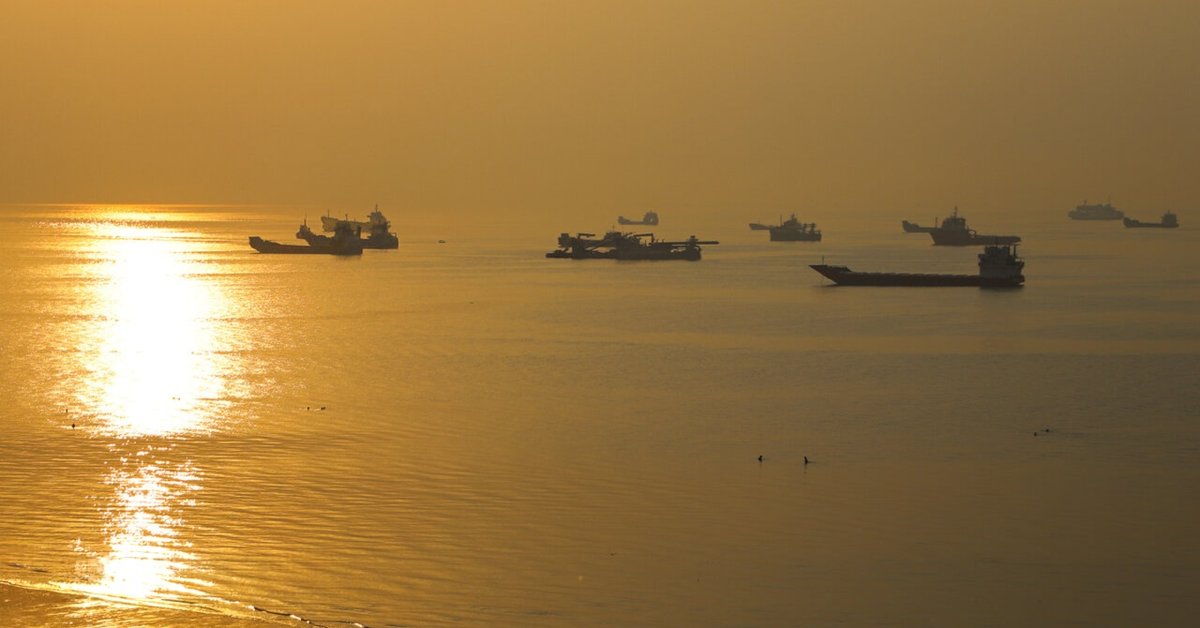
Iranian forces deploy new tactics to target ships in the Strait of Hormuz. — Source: iraninternational
Context of the Broader Conflict
Tehran has tried to exert control over the Strait of Hormuz since the U.S. and Israel launched strikes against Iran on Feb. 28. [1] It has restricted passage through the waterway, which carried about a fifth of global oil and liquefied natural gas trade before the war, in an effort to gain leverage over Washington. [1] Its threats and attacks have severely curtailed traffic through the strait, driving up oil prices, though some oil has continued to transit. [1] Iran is deploying new tactics to target ships sailing through the Strait of Hormuz as it seeks to keep oil prices high and influence the U.S. midterm elections, two senior Iranian officials said. [1]
Impact on Global Energy Trade
It has restricted passage through the waterway, which carried about a fifth of global oil and liquefied natural gas trade before the war, in an effort to gain leverage over Washington. [1] Shipping industry sources have reported signs that cargo movements through Strait of Hormuz may be slowing, Bloomberg reports. [4] Iran's surge in attacks on commercial shipping in the Strait of Hormuz may be an attempt to exploit US restraint ahead of the midterm elections and undermine a recovery in Persian Gulf oil shipments, experts told Iran International. [2] Its threats and attacks have severely curtailed traffic through the strait, driving up oil prices, though some oil has continued to transit. [1] Tehran has tried to exert control over the Strait of Hormuz since the U.S. and Israel launched strikes against Iran on Feb. 28. [1]

Iranian forces patrol a road in Balochistan after attacks on Fatemiyoun fighters. — Source: khaamapress
Separate Attacks on Militia in Southeast Iran
At least 30 members of the Fatemiyoun militia were killed or wounded in two separate armed attacks in Iran’s southeastern Sistan and Baluchestan province on Tuesday, according to the Haalvsh human rights group. [3] Haalvsh reported that more than 20 Fatemiyoun members were killed or wounded in an ambush in the Chah Ahmad area of Taftan. [3] At least 30 Fatemiyoun fighters killed or wounded in attacks in southeastern Iran, rights group says. [3]
Implications for Current Wars in the World
Iran is deploying new tactics to target ships sailing through the Strait of Hormuz amid current wars in the world as it seeks to keep oil prices high and influence the U.S. midterm elections, two senior Iranian officials said. [1] Its threats and attacks have severely curtailed traffic through the strait, driving up oil prices, though some oil has continued to transit. [1] Tehran has tried to exert control over the Strait of Hormuz since the U.S. and Israel launched strikes against Iran on Feb. 28. [1] Iran's surge in attacks on commercial shipping in the Strait of Hormuz may be an attempt to exploit US restraint ahead of the midterm elections and undermine a recovery in Persian Gulf oil shipments, experts told Iran International. [2] Shipping industry sources have reported signs that cargo movements through Strait of Hormuz may be slowing, Bloomberg reports. [4] What to watch next: Iran's surge in attacks on commercial shipping in the Strait of Hormuz may be an attempt to exploit US restraint ahead of the midterm elections and undermine a recovery in Persian Gulf oil shipments, experts told Iran International. [2]