Iran Demands US Halt Threats and Pay Compensation Before Opening Strait of Hormuz
Iran is demanding six specific US concessions before it will reopen the Strait of Hormuz, even as Oman reports positive talks on a new shipping route through the waterway amid the ongoing US-Iran war and broader Iran tensions. The Pentagon has directed US defense firms to accelerate weapons production and deliveries due to concerns over depleted missile and munitions stocks from the Iran conflict. Oman described recent discussions with Iran over securing shipping through the Strait of Hormuz as positive and constructive, though a timeline for any agreement remains unclear. Iranian officials stated that full reopening of the strait depends on the US providing compensation for alleged violations of a June Memorandum of Understanding, halting threats, lifting the naval blockade, releasing frozen assets and meeting other conditions. Saudi Arabia, Turkey and Pakistan signed the Mecca Joint Defense Agreement, viewing an attack on one as an attack on all, to strengthen collective security amid the regional war involving Iran and Houthi attacks. Recent incidents include an Iranian missile strike on an Adnoc-affiliated tanker in the strait with no casualties, and a separate vessel hit by an unknown projectile off Oman.
Iran Sets Conditions for Reopening Strait of Hormuz
Iranian Foreign Minister Abbas Araghchi said talks were in their final stages but the reopening of the strait remained subject to other conditions. [2] Mohammad Baqer Zolqadr, Iran's security chief, told the semi-official news agency Tasnim that the Strait of Hormuz would not reopen until the US corrects its behaviour. [2] He said the US needed to meet six Iranian demands, including a halt to threats against Iran, removal of its naval blockade of Iranian ports and release of Iran's frozen assets. [2] Iranian officials listed the requirements as never threatening Iran or insulting its people's sanctities, stopping war and aggression against Iran and its allies in Lebanon, Palestine, Yemen and Iraq, lifting the naval blockade and withdrawing military forces from areas around Iran, paying full compensation for damages from the two aggressive wars against Iran, lifting the unjust and illegal sanctions against the Iranian people, and unconditionally releasing Iran's blocked and stolen assets. [5] Iran will not deviate from these conditions in war or negotiations, according to a statement from the Iranian council. [5] Security expert Richard Weitz of the Nato Defense College said the entire list would be a deal breaker for the White House, noting that US President Donald Trump has repeatedly ruled out paying compensation to Iran. [5]
Oman Reports Progress in Hormuz Shipping Talks
Oman has said positive talks have been taking place with Iran over an agreement to secure a shipping route through the Strait of Hormuz. [2] Both sides suggested on Saturday that discussions were progressing, but a timeline on any deal being finalised remained unclear. [2] Oman's foreign ministry warned against attacks on shipping that could hamper that. [2] Iran's foreign minister Abbas Araghchi said a full reopening of the typically busy maritime route depended on other conditions being met. [2] Talks in recent days have focused on the possibility of a deal between Iran and Oman on a new route through the strait, which they would both have responsibility for and is hoped would lead to progress in resuming shipping traffic. [2] Oman's foreign ministry has described the conversations with Iran as positive and constructive. [5] At the same time authorities warned that attacks on shipping in the narrow strait could undermine the negotiations. [5]
US Officials Comment on Diplomatic and Military Efforts
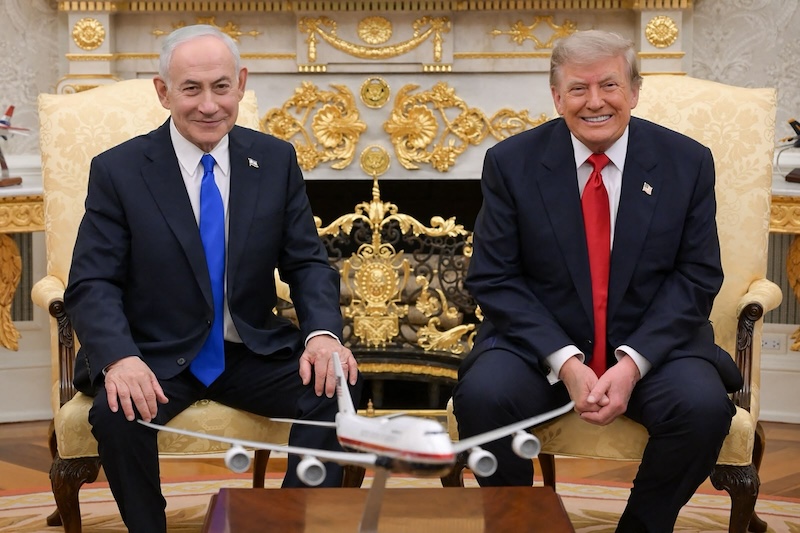
US President Donald Trump said a deal with Iran could be soon. [2] Vice-President JD Vance appeared to be more sceptical on Saturday, telling Fox News that work remained to be done even if progress was being made. [2] Vance said the United States is really in the middle of the game here and this thing is not over. [2] He added that the United States is applying a whole host of tools including diplomatic, economic and military tools to ensure the best outcome for the American people. [2] The Pentagon has asked US defense companies to submit plans to rapidly increase weapons production and accelerate deliveries amid concerns over the use of key missile and munitions stocks during the war with Iran. [1] The newspaper cited a memo from Deputy Secretary of War Stephen Feinberg. [1]
Recent Attacks Raise Tensions in the Strait
The United Arab Emirates said on Saturday that Iran had targeted a tanker affiliated with Adnoc, its state-owned oil company, as it passed through the strait. [2] The UAE's foreign ministry said in a statement that a hostile Iranian attack had hit an Adnoc tanker with a missile and added that there were no casualties. [2] Later on Saturday the UK Maritime Trade Operations agency also reported a ship being struck by an unknown projectile off the coast of Oman, causing a fire that has been extinguished but no casualties. [2] It is unclear whether UKMTO was referring to the same ship as the UAE. [2]
Saudi Arabia Forms New Defense Pact with Turkey and Pakistan
Saudi Arabia, Turkey and Pakistan signed a joint defense agreement on Friday amid violence in the region from Houthi attacks and the US-Iran war. [4] Riyadh is looking to strengthen its security ties against the backdrop of war between the US and Iran, which has drawn in surrounding nations and disrupted shipping through the Strait of Hormuz and the Red Sea. [4] In a joint statement published by the official Saudi press agency and Pakistan's Foreign Ministry, the three countries announced the signing of the Mecca Joint Defense Agreement. [4] They declared a shared commitment to further strengthening their collective security and to promoting peace, security and stability in the region and beyond. [4] Pakistan's Foreign Ministry said the pact meant an attack on any member would be regarded as an attack on all, adding it was intended to strengthen collective deterrence. [4] Ankara said the agreement was not aimed at any particular country. [4] Riyadh said the agreement does not represent an effort to establish a military axis or a sectarian bloc and is not linked to any nuclear ambitions or arms race. [4] The deal will support Saudi Arabia's ambitions to become an organiser of regional security and diversify its defence umbrella. [4]
Strategic Importance of the Blocked Waterway
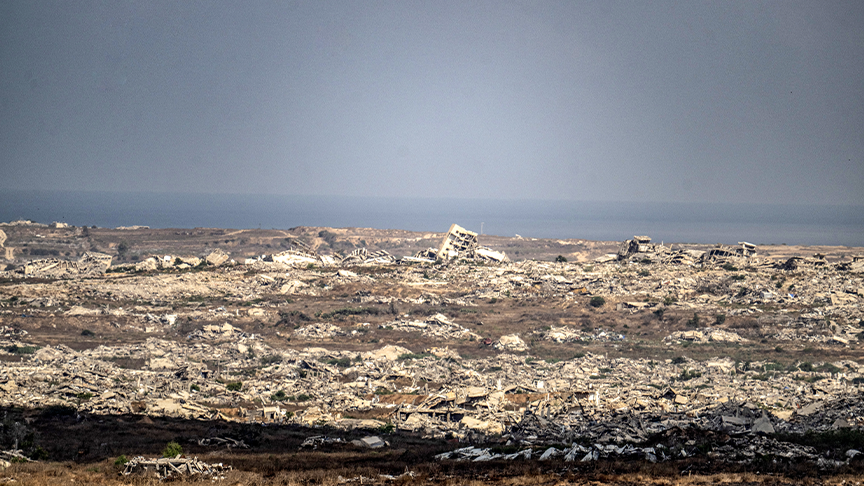
Tehran has effectively blockaded the waterway, through which around a fifth of the world's oil and natural gas usually flows, since the US and Israel began attacking it in February. [2] Since the onset of the regional war, Saudi Arabia has grown closer to Turkey, Egypt and Pakistan. [4] The war has emboldened Iran and its Houthi allies in Yemen, both of which have attacked Saudi Arabia. [4] The Houthis, backed by Iran, have added pressure to Gulf energy exporters already under strain from Tehran's blockade of the Strait of Hormuz by threatening Red Sea shipping. [4] The narrow strait lies between Iran and Oman and binds the Persian Gulf to the Arabian Sea. [5] Before the war around 20 percent of the world's oil and liquefied natural gas passed through the strait, with about 140 ships daily. [5] In the last week just over a dozen ships have passed through the Strait of Hormuz daily. [5] The consequences have particularly affected global oil prices. [5]
What to watch next: Discussions between Iran and Oman on a new shipping route through the strait remain in their final stages with a timeline unclear, while the Pentagon continues directing defense firms to accelerate weapons production amid ongoing concerns over depleted stocks.