
Iran Considers Attacks on US Bases in Europe as Tensions Escalate
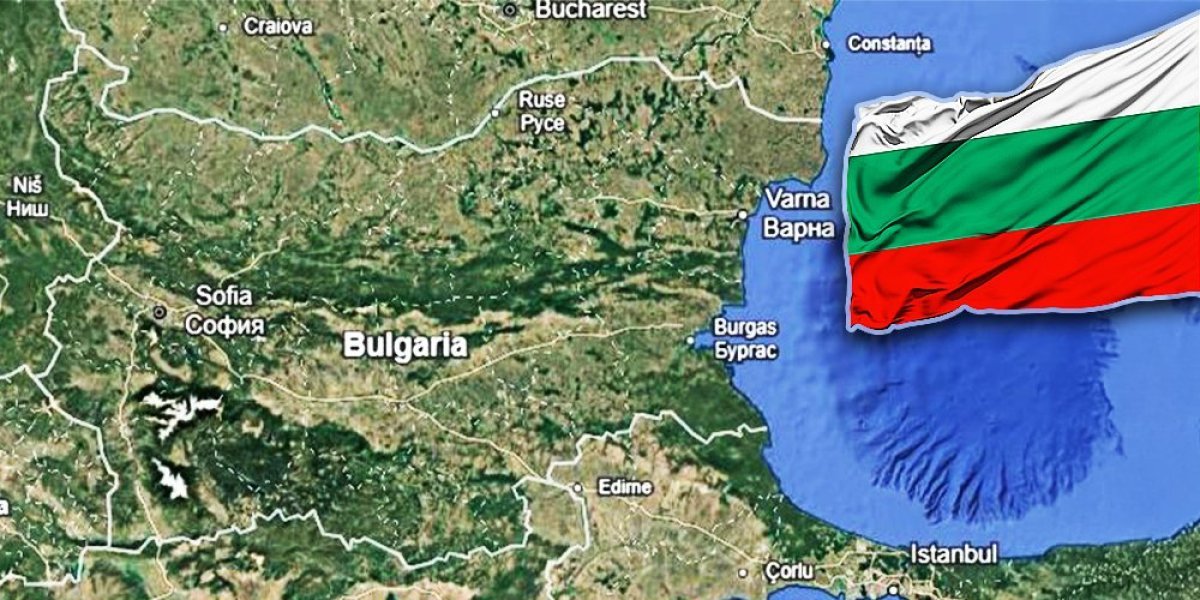
Amid rising Iran tensions, Iran's Islamic Revolutionary Guard Corps is considering strikes on US military bases in Europe, including in Bulgaria, if the current Middle East conflict escalates further, according to Iranian sources cited by the Financial Times. [1]
IRGC Eyes European Targets
Two unidentified Iranian sources told the Financial Times that US bases in European countries have been assessed as potential targets in contingency plans to widen the conflict. [1] Such attacks would represent a major geographic expansion of the fighting and could place US forces across Europe on higher alert. [1] The IRGC has evaluated these sites as part of plans for unforeseen situations to expand the conflict if current efforts intensify. [1]
Impact on US Posture and European Defenses
Attacks on European bases would be especially significant because of the extreme reduction in air defenses across the continent, primarily due to donations supporting Ukraine's war efforts and the prioritization of US air defense stocks for protecting facilities in the Middle East. [1] Iranian drone and missile attacks have already rendered multiple US bases across the Middle East inoperable, including the largest US overseas military facility, Al Udeid Air Base in Qatar. [1] This has forced the United States to concentrate operations largely in Israel, where remaining air defenses are particularly densely concentrated, as well as in Eastern Europe and Turkey, which Iran has not yet targeted for political reasons. [1] The United States relies on a vast network of military installations across allied European states that support operations across the continent, the Middle East and Africa by providing airfields, logistics centers, intelligence capabilities and aerial refueling infrastructure. [1] Any Iranian attempt to strike them would therefore have implications far beyond immediate military damage. [1] This could include overlap with the Russia-Ukraine war, where supplies and personnel moving into Ukraine rely on base networks across Europe. [1]
Iran's Demonstrated Strike Capabilities
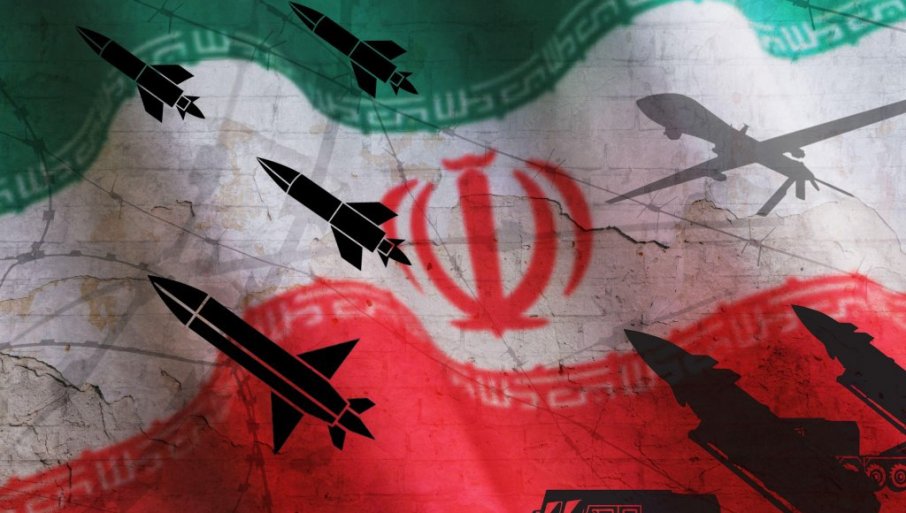
Iran has already shown the ability and willingness to attempt attacks at significant distances. [1] In March, Tehran fired two medium-range ballistic missiles toward Diego Garcia, a remote base in the Indian Ocean jointly used by the United States and the United Kingdom more than 3,500 kilometers from Iran, in an apparent demonstration of force. [1] Diego Garcia is considerably farther from Iran than most US installations in Europe, meaning European bases would be significantly more accessible and could be targeted with missiles and drones of much lower value. [1] The Islamic Revolutionary Guard Corps has progressively refined its missile and drone operations to better exploit weaknesses in US air defenses while forcing Washington to expend scarce and expensive interceptor missiles more rapidly. [1] Sources cited by the New York Times reported that this has included the use of increasingly sophisticated combinations of missiles and drones to complicate the US defensive response. [1] Iran has used a wide spectrum of missile and drone types to engage targets, with the highest-priority targets struck by more complex and expensive missile types such as the Fatah-2, which integrates a hypersonic glide vehicle that is nearly impossible to intercept. [1] The Israeli newspaper Haaretz confirmed at the end of March that 80 percent of Iranian missiles launched at Israeli targets struck successfully, indicating that much less well-defended US bases in Europe could be highly vulnerable. [1]
US Economic Pressure Campaign
US Treasury Secretary Scott Bessent announced plans for the toughest sanctions in history on Iran to collapse the regime and minimize the need for large-scale military action. [4] Bessent warned trading partners including China of consequences for continuing business with Tehran. [4] He described the approach as a one-two punch combining a blockade on Iran with the toughest sanctions in history, stating it would work to collapse the regime. [4] Bessent told CNBC that it is time for allies and the rest of the world to make a decision, noting that maximum economic pressure means there will likely not be a large-scale kinetic restart. [4] When asked if the United States could target China for doing business with Iran, Bessent said many conversations were best held in private and confirmed that further details would be discussed at a press conference on Monday. [4] President Donald Trump warned on Wednesday of economic consequences against any country that provided any type of lifeline to Iran. [3]
Developments in Iraq and the Strait of Hormuz
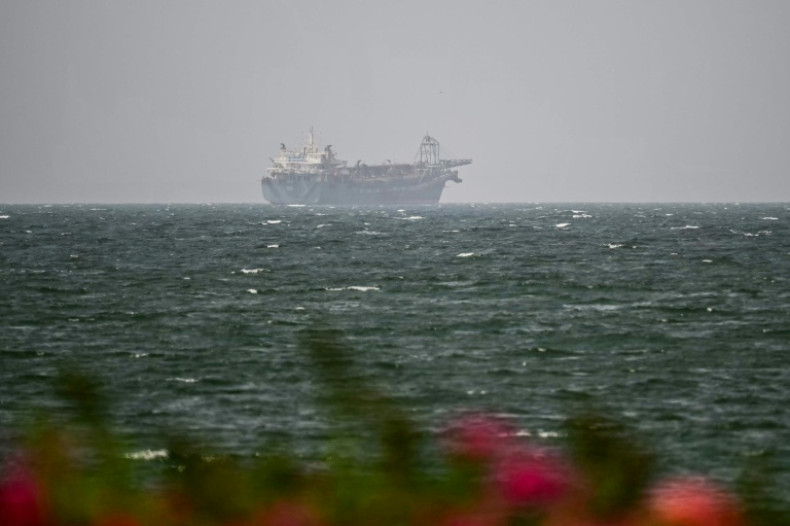
Iran's Parliament Speaker Mohammad Bagher Ghalibaf traveled to Iraq this week as Iraq seeks to rein in Iranian-backed militias. [2] The visit follows IRGC head Ismail Qaani’s recent trip to Iraq, in which he discussed the militias and the Strait of Hormuz. [2] Ghalibaf posted a photo of himself in front of a map of the Strait of Hormuz with his large bald head positioned to physically block the waterway, an image created deliberately to send a message. [2] Iran is pushing proposals to avert a confrontation between Iraq’s government and Tehran-aligned armed factions over their weapons ahead of a September 30 disarmament deadline. [2] Iraqi sources said Ghalibaf’s visit to Baghdad on Wednesday goes well beyond its stated parliamentary purpose, with talks focused on political and security issues, chiefly the fate of armed factions’ weapons. [2] Iraq’s constitution bars the presence of armed factions that pose a threat to other countries, as confirmed by Baghdad’s National Security Advisor Qasim al-Abboudi to Ghalibaf in a Thursday meeting. [2] Iraqi Prime Minister Ali al-Zaidi hosted Ghalibaf in Baghdad, and reports indicate they discussed bilateral ties and other issues, including prospects for cooperation and joint action to strengthen bilateral relations. [2] Iran has closed the Strait of Hormuz, disrupting 20 percent of global oil and LNG transit. [5]
Iranian Resilience to Sanctions
Iran has weathered punishing economic sanctions for nearly 50 years since the Islamic Revolution of 1979. [5] One resident in the central Iranian province of Khuzestan told the BBC that a country with long experience with sanctions will be able to overcome the additional economic pressure the United States is aiming to impose, noting there may be an impact at first but that does not necessarily mean Iran will not be able to overcome the crisis. [5] Another resident also doubts fresh penalties will have an impact on the longevity of the regime, stating that not everything changes because of statements made by President Trump and that Iran has been living under sanctions for years with people accustomed to the situation. [5] The resident added that Iran will surely find other ways to continue trading, though of course there will be some impact and the economy may weaken without the regime collapsing. [5]
What to watch next: Details on the planned sanctions will be made public at a press conference on 24 August, while Iraq continues efforts to bring all arms under state control by the September 30 deadline amid ongoing talks on the Strait of Hormuz.