
Indonesian Officials Lower Anak Krakatau Alert After Eruption Decline Amid Natural Disasters
Indonesian authorities have lowered the alert level of Anak Krakatau from Siaga (Level III) to Waspada (Level II) after observing decreased volcanic activity, while other volcanoes including Rinjani, Ibu, and Dukono remain at elevated alert levels with ongoing ash emissions amid broader natural disasters. [1]
Downgrade of Anak Krakatau Alert Level
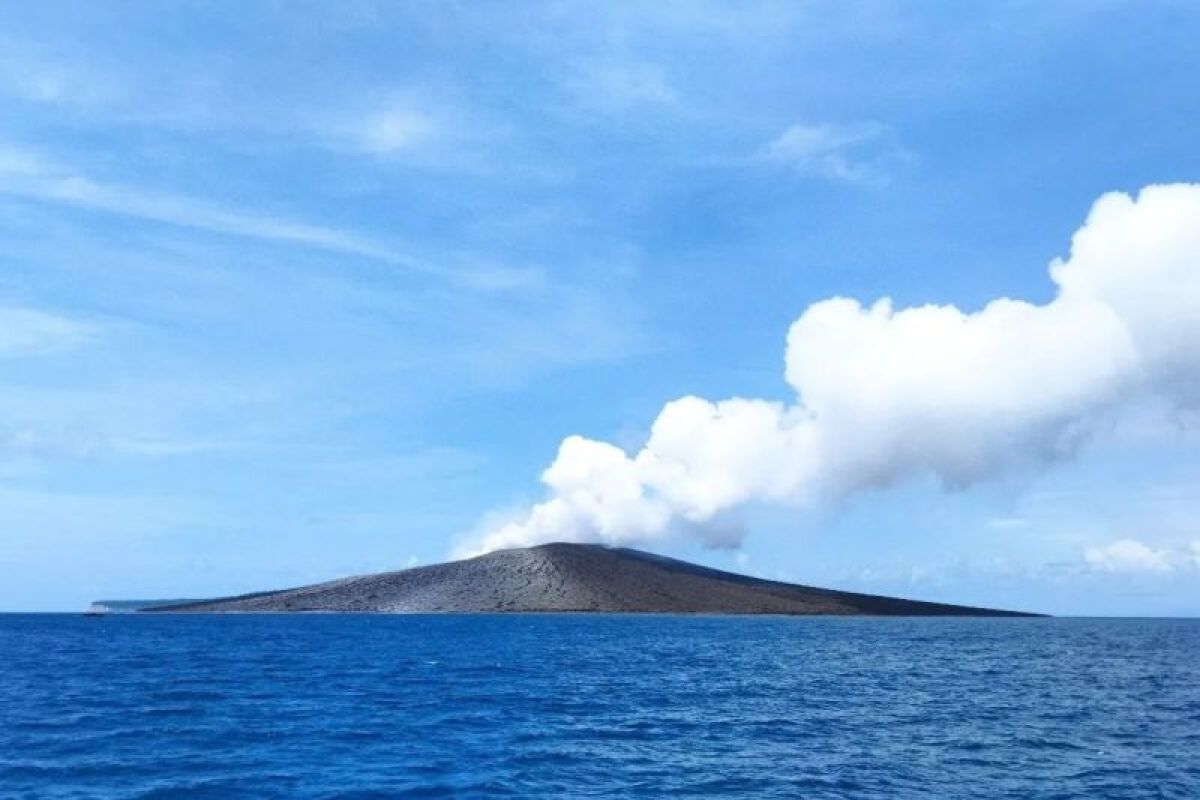
Badan Geologi Kementerian Energi dan Sumber Daya Mineral lowered the activity level of Gunungapi Anak Krakatau in the Sunda Strait from Level III (Siaga) to Level II (Waspada) effective Monday night. [1] The downgrade followed a thorough analysis and evaluation of declining volcanic activity and deformation data showing deflation symptoms. [1] The Level III status had been in place since 2 July 2026 due to increased seismicity and deformation. [1] During that period Anak Krakatau recorded 224 eruptions until 3 September 2026. [1] The volcano also experienced a continuous 25-hour eruption from 4 to 6 September 2026 that produced lava flows to the northwest, west, and southwest. [1] After that event and seven strombolian eruptions, volcanic activity tended to decline until 20 September 2026. [1]
Ongoing Waspada Status at Gunung Rinjani
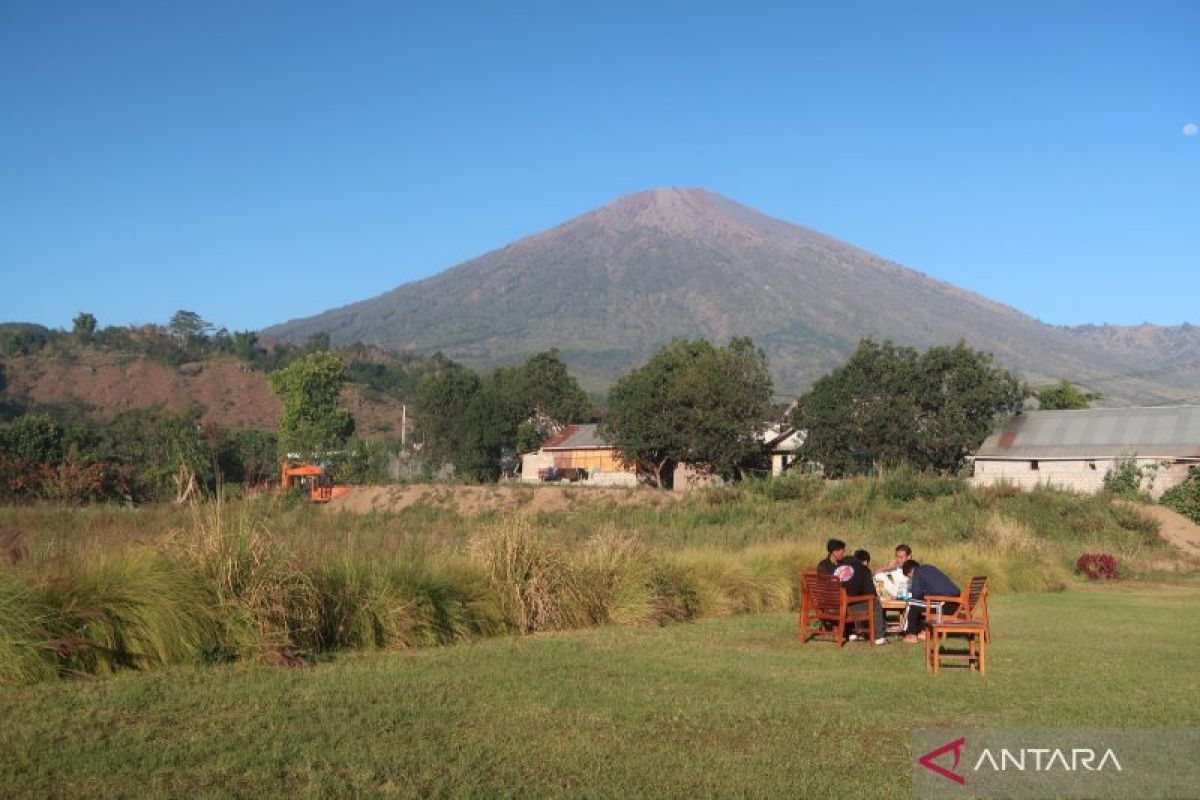
Gunung Rinjani remains at Waspada alert level amid ongoing volcanic activity in Indonesia. — Source: gdelt
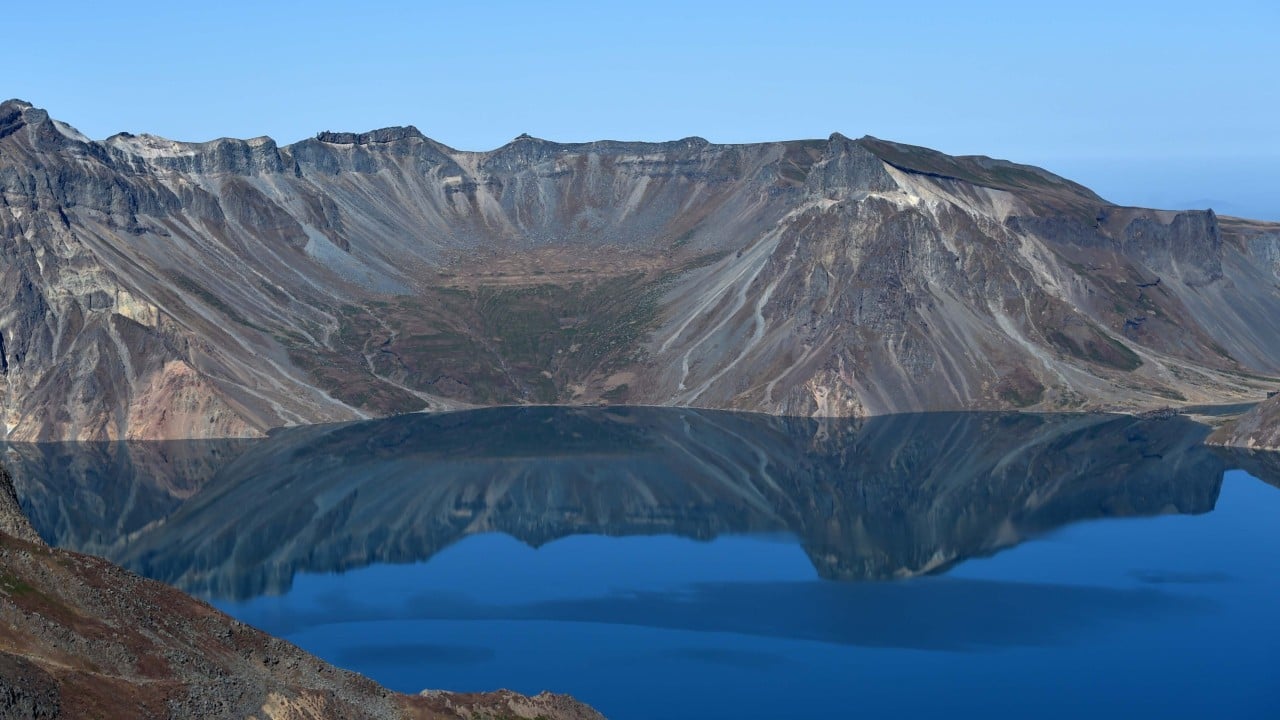
Gunung Rinjani on Lombok Island has held Level II or Waspada status since 2015. [2] The alert level has remained in place for approximately 11 years. [2] Balai Pemantauan Gunung Api dan Mitigasi Bencana Gerakan Tanah Nusa Tenggara recommends that climbers and residents around the volcano always follow hazard guidance of 1.5 kilometers from the center of the crater, currently at Gunung Barujari. [2] The 3,726-meter peak lies administratively across three districts: Lombok Timur, Lombok Tengah, and Lombok Utara. [2] Climbers are required to follow the Standard Operating Procedures set by Balai Taman Nasional Gunung Rinjani. [2] Compliance with hazard recommendations and climbing SOPs is described as essential for safety. [2] Volcanic activity records for the mountain date from the 19th century to the present, with eruptions and solfatara increases centered at Gunung Barujari. [2] Since 1 September 2026, climbing tourism to the area has been opened on a limited basis to prevent fires during the prolonged dry season. [2] Online booking services via the eRinjani application remain temporarily suspended until fire risk conditions are declared safe. [2]
Volcanic Ash Dispersal from Ibu and Dukono
Badan Meteorologi, Klimatologi, dan Geofisika detected volcanic ash dispersal from the activity of Gunung Ibu and Gunung Dukono in North Maluku on Sunday, 20 September 2026, at 07.00 WIB. [4] Analysis of Himawari-9 RGB satellite imagery recorded on Saturday, 19 September 2026, at 19.00 WIB showed ash from Gunung Ibu moving southeast. [4] Ash from Gunung Dukono was observed drifting southeast to south. [4] No ash dispersal from Gunung Lewotolo or Gunung Semeru was detected at the time. [4] Weather around the monitored volcanoes was generally clear to cloudy. [4] BMKG warned of high risk from volcanic ash exposure if eruptive activity increases. [4] Health impacts include eye and skin irritation, coughing, and respiratory disorders that can worsen pre-existing conditions. [4] Transportation risks involve sharply reduced visibility, slippery road surfaces, engine interference, navigation equipment damage, and potential delays or route diversions for land, sea, and air operations. [4]
Public Safety Recommendations and Impact Mitigation
Residents near Anak Krakatau are advised to stay at least 2 km from the crater and ignore rumors linking the eruption to potential tsunamis. [1] Communities in coastal areas of Banten and Lampung provinces are urged to remain calm and avoid misleading information connecting eruptions to tsunamis. [1] Residents should continue normal activities while following guidance from local Badan Penanggulangan Bencana Daerah offices. [1] For Gunung Rinjani, climbers and nearby communities must obey the 1.5 km hazard recommendation from the Barujari crater center. [2] Limited climbing access remains in effect to reduce fire risk from the extended dry season. [2] In areas affected by ash from Ibu and Dukono, residents of Halmahera Barat and Halmahera Utara in North Maluku, along with Lumajang district in East Java and surrounding waters, are asked to follow local government directions and consult only official information from BMKG or PVMBG. [4] Authorities emphasize not panicking but increasing vigilance regarding ash-related health and transport disruptions. [4]
Long-term Displacement in Grindavik Following 2023 Eruptions
The town of Grindavik in Iceland remains largely evacuated nearly three years after the 2023 volcanic eruptions, with authorities limiting returns to 12 days per month due to ongoing magma buildup risks. [3] Nearly 3,800 residents left their homes within hours when the ground cracked beneath houses on 10 November 2023. [3] One resident, Páll Erlingsson, described the experience as fleeing rather than moving and noted that everything once considered secure disappeared. [3] He visits his apartment every other week to check conditions but remains uncertain whether he will ever live there again, describing the situation as limbo. [3] Icelandic authorities permit residents a maximum of 12 days per month in the town because further time is viewed as too risky given the potential for new eruptions. [3] The Icelandic Meteorological Institute continues to assess that magma is building beneath the area, with the most likely development being a new magma intrusion and possibly another eruption. [3] The Grindavík committee has recommended that families with children not return and that the school remain closed until a separate risk assessment deems it safe. [3] The school, once the region’s largest with 540 pupils, stands empty except for occasional tourists. [3] Some residents, including baker Sigurdur, continue daytime operations in the town and have adapted businesses to serve visitors interested in the lava damage. [3] Population remains below one quarter of pre-eruption levels. [3]
What to watch next: Continued monitoring of Anak Krakatau activity decline, ash drift from Ibu and Dukono, and decisions on limited returns to Grindavik.