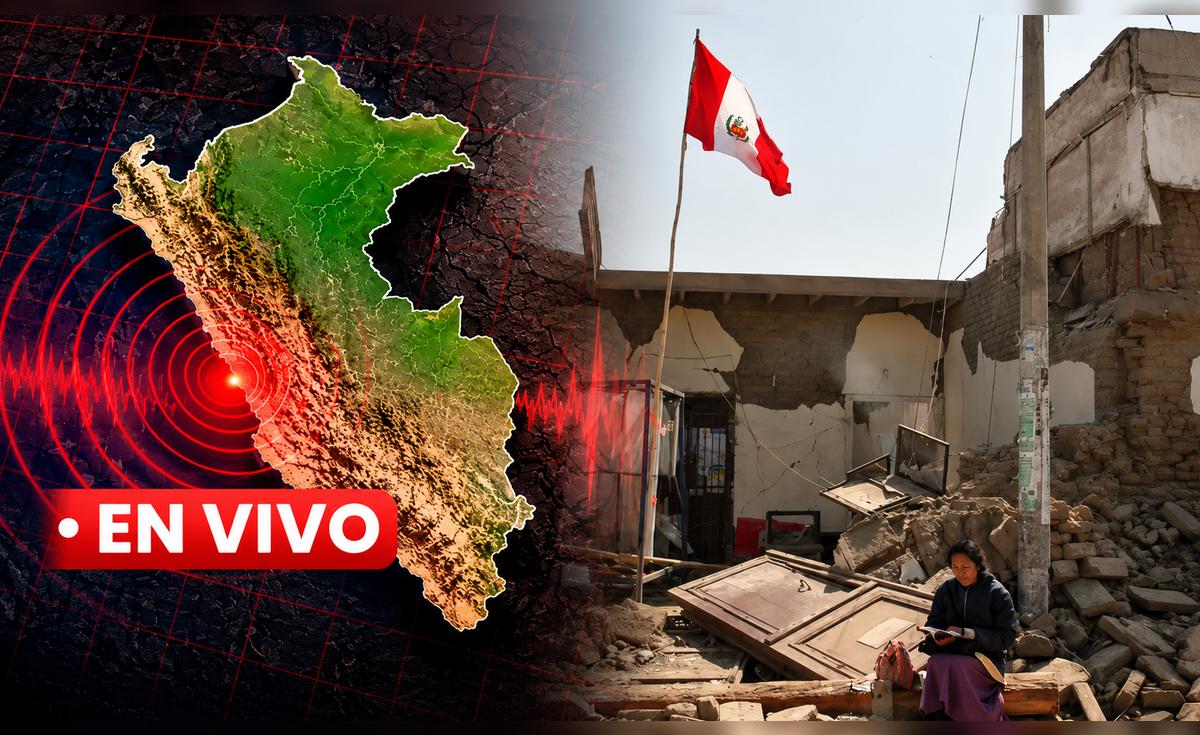
Indonesia Reports Fewer Evacuees After Magnitude 7.7 Quake as Aftershocks Ease Amid Earthquakes Today
Multiple earthquakes today have affected regions across Indonesia, Hawaii, Colombia, and Chile, with the largest event being the magnitude 7.7 quake that struck East Nusa Tenggara on Aug. 15.
Indonesia Earthquake Update
Indonesia’s National Agency for Disaster Countermeasures reported that the number of people displaced by the magnitude 7.7 earthquake in East Nusa Tenggara had fallen by 4,142 as aftershocks began to decline. [2] Acting Head of the BNPB's Center for Disaster Data, Information, and Communication Berton SP Panjaitan said 188,161 residents remained at evacuation centers as of Aug. 30 at 7 a.m. Jakarta time. [2] Speaking at a press conference in Jakarta on Sunday, he said Manggarai and Nagekeo districts were the regions with the largest numbers of evacuees, housing 50,556 and 50,574 people, respectively. [2] Panjaitan added that high concentrations of evacuees also remained in East Manggarai, West Manggarai, Ngada, Sikka, and Ende districts. [2] The Indonesian quake caused 111 fatalities, 1,631 injuries, and damage to 95,567 houses, of which 27,414 were severely damaged, prompting urgent calls for temporary housing. [2] Indonesia swiftly mobilized numerous institutions, including ministries, the police, and the military, to deploy rescue personnel and distribute relief supplies to regions affected by the tectonic earthquake in the Flores Sea. [2] President Prabowo Subianto has also visited NTT to directly observe disaster relief efforts. [2] He assured survivors that the government would continue monitoring the situation and delivering essential goods and equipment. [2] His visit followed a similar trip by Vice President Gibran Rakabuming Raka, who pledged immediate repairs to damaged houses and equal support for all survivors, including those taking shelter outside evacuation centers. [2]
Declining Aftershock Activity in NTT
A total of 9,765 aftershocks ranging from magnitude 1.0 to 6.2 have been recorded in Indonesia, with 155 felt by residents, though their frequency is declining. [2] Elaborating on public safety, Berton SP Panjaitan confirmed a downward trend in aftershock frequency. [2] “Residents felt 155 of the aftershocks. The series of aftershocks has begun to show a decline, although we can still expect shocks around three to four weeks after the main earthquake,” he said. [2] The official also reported that the disaster had damaged 95,567 houses, including 46,161 with minor damage, 21,992 with moderate damage, and 27,414 severely damaged. [2] “There remains an urgent need to provide temporary housing or relocation sites for 27,414 families whose houses were severely damaged,” Panjaitan added. [2] The magnitude 7.7 event on Aug. 15 produced these aftershocks, and the agency noted that the frequency continues to ease. [2]
A magnitude 7.7 earthquake struck East Nusa Tenggara in Indonesia on August 15. — Source: gdelt
Government Response and Relief Efforts
Indonesia swiftly mobilized numerous institutions, including ministries, the police, and the military, to deploy rescue personnel and distribute relief supplies to regions affected by the tectonic earthquake in the Flores Sea. [2] President Prabowo Subianto has also visited NTT to directly observe disaster relief efforts. [2] He assured survivors that the government would continue monitoring the situation and delivering essential goods and equipment. [2] His visit followed a similar trip by Vice President Gibran Rakabuming Raka, who pledged immediate repairs to damaged houses and equal support for all survivors, including those taking shelter outside evacuation centers. [2] The BNPB confirmed 111 fatalities following the earthquake that jolted Flores Island on Aug. 15, while 1,631 residents were injured, including 223 who sustained severe injuries and 1,408 with minor injuries. [2] The agency continues to track the decline in evacuees from the initial 188,161 figure reported as of Aug. 30. [2]
Recent Earthquakes in Hawaii
USGS recorded a magnitude 2.6 earthquake 0 km S of Pāhala, Hawaii at a depth of 29.3 km and a magnitude 2.5 earthquake 17 km SE of Naalehu, Hawaii at a depth of 35.2 km. [1] [3] These smaller events form part of the broader pattern of earthquakes today that also includes activity in other regions. [1] [3] The magnitude 2.6 quake occurred at a depth of 29.3 km while the magnitude 2.5 event registered at 35.2 km depth. [1] [3] Both were documented through official USGS monitoring without reports of significant damage or casualties in the available data. [1] [3]
Tremors Recorded in Colombia
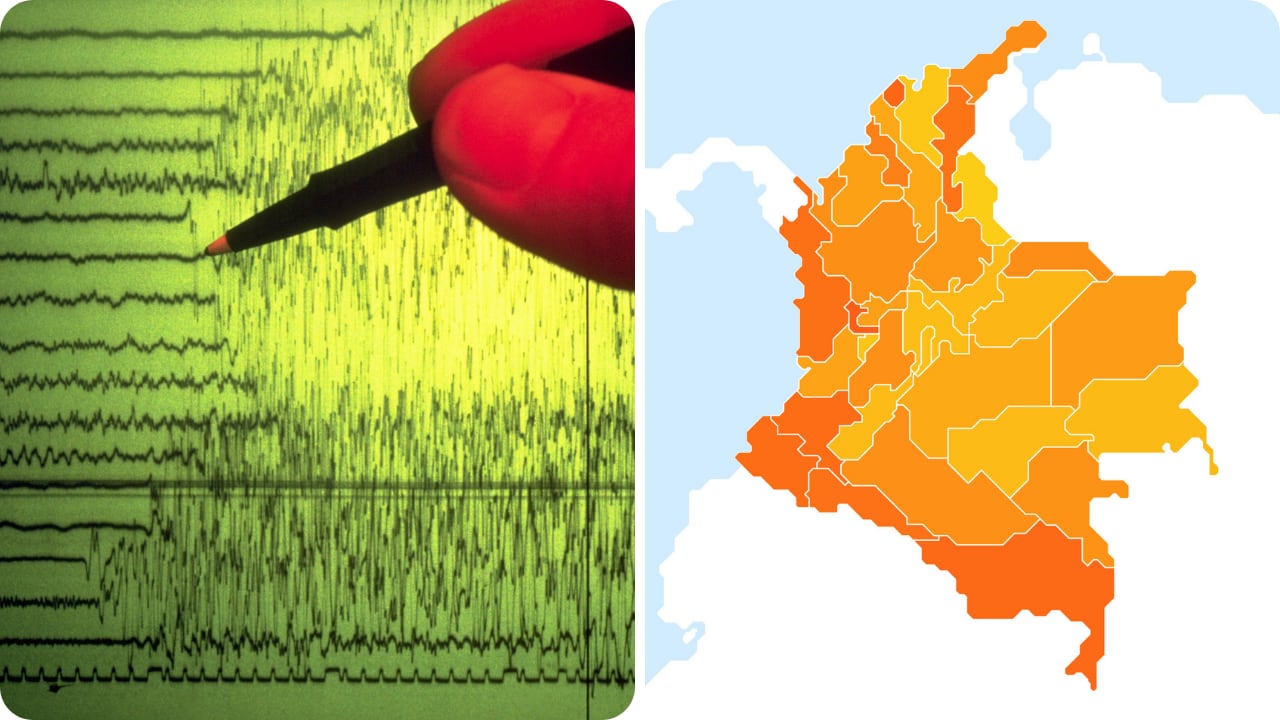
Colombia’s Servicio Geológico Colombiano reported a magnitude 4.3 earthquake with epicenter in Totoró, Cauca on Aug. 29 at a depth under 30 km. [4] The first report indicated a magnitude 4.0 event at 11:37 p.m., but an updated assessment revised the magnitude to 4.3 with coordinates of 2.42° latitude and -76.32° longitude. [4] Municipalities nearest the epicenter included Totoró at 14 km, Puracé at 21 km, and Silvia at 23 km. [4] The movement generated comments among users of social networks, with some reporting they felt it while others did not, depending on distance and local conditions. [4] Colombia presents frequent seismic activity due to its geological location and interaction of different tectonic plates, prompting the Servicio Geológico Colombiano to maintain constant monitoring. [4]
Chile’s Seismic Activity on August 30
Chile’s Centro Sismológico Nacional recorded several tremors on Aug. 30, including a magnitude 4.9 event 11 km southwest of Tocopilla at 75 km depth and smaller events of magnitudes 3.3, 3.2, 3.0. [5] The recorded events included a magnitude 3.3 quake at 08:58 hours located 40 km north of Chañaral at 34 km depth, a magnitude 3.2 event at 06:45 hours 100 km northwest of Parque Fray Jorge at 15 km depth, a magnitude 3.0 tremor at 01:42 hours 17 km northwest of Las Cabras at 72 km depth, and the magnitude 4.9 quake at 01:19 hours. [5] The Servicio Nacional de Prevención y Respuesta ante Desastres issued recommendations on how to act during a seismic event of importance, such as maintaining calm, seeking a safe place, protecting the head and neck, cutting electricity, and closing water and gas valves. [5] If in the street, people should move away from buildings, poles, and electrical cables, and drivers in tunnels or on bridges should reduce speed and stop after exiting. [5]
What to watch next: Officials expect aftershocks to continue for around three to four weeks after the main Aug. 15 event while the frequency shows a decline, and seismic monitoring remains active in Hawaii, Colombia, and Chile.