
Humanitarian Crisis in Sudan: Displacement and Food Insecurity Update - 3/2/2026
Overview of the Crisis
As of March 2, 2026, Sudan's humanitarian crisis has reached catastrophic levels, with over 8 million people—more than a quarter of the population—facing acute food insecurity amid relentless conflict. Internal displacement exceeds 7.5 million, the world's largest, concentrated in Darfur, Khartoum, and Jonglei regions. Recent violence, including a February 28 insurgent raid in South Sudan killing at least 169 civilians, highlights spillover effects, exacerbating cross-border movements and straining neighboring countries. Aid delivery is severely hampered by active fighting, bureaucratic hurdles, and looting, leaving famine thresholds breached in parts of North Darfur. UN agencies report child malnutrition rates at 30% in displacement camps, with cholera outbreaks compounding the toll. While military clashes between Sudanese Armed Forces (SAF) and Rapid Support Forces (RSF) continue, the unseen crisis of displacement and hunger threatens to destabilize the region further, with no immediate ceasefire in sight.
Recent Developments
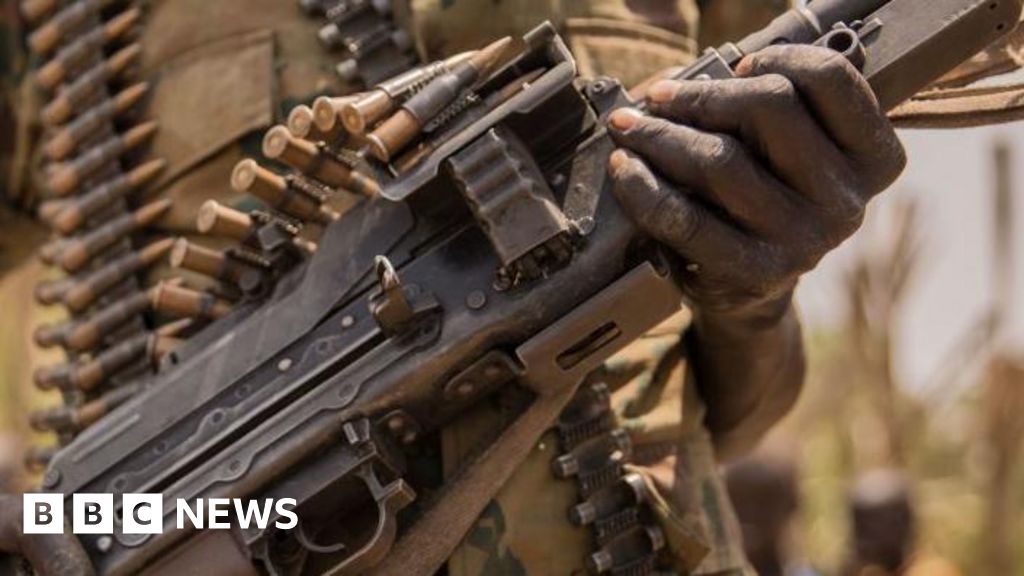
- February 28, 2026: Insurgents raid a remote village in South Sudan's Jonglei State, killing at least 169 people, mostly civilians. Attack linked to spillover from Sudanese militias, displacing 5,000+ into Sudan (BBC, AP News).
- February 25-27, 2026: RSF advances in Darfur trigger fresh displacement of 50,000 from El Fasher; World Food Programme (WFP) suspends operations due to gunfire (UNOCHA reports).
- February 20, 2026: UN warns of famine in North Darfur; 2.5 million displaced Sudanese at risk of starvation without aid surge.
- February 15, 2026: Clashes in Khartoum displace 20,000; IRC notes increased cross-border flows to South Sudan, heightening tensions.
- February 10-12, 2026: Aid convoy looted in West Darfur, killing 12 workers; MSF (Doctors Without Borders) evacuates camps amid insecurity.
Analysis of the Situation
The humanitarian crisis in Sudan transcends the frontline violence, revealing a vicious cycle where displacement fuels food insecurity, and vice versa. Recent events, like the South Sudan attack, underscore how Sudan's civil war—pitting SAF against RSF since April 2023—spills over borders, creating refugee pressures that could ignite regional instability. Over 8 million Sudanese require food assistance per the UN's January 20 report, a figure worsened by disrupted harvests, market collapses, and aid blockages. Displacement camps like Zamzam in North Darfur house 400,000 in squalor, with malnutrition and disease rampant—30% of children under five acutely malnourished.
Economically, hyperinflation (over 300%) and a collapsed currency have rendered markets inaccessible, pushing 25% of the population into IPC Phase 5 (catastrophic hunger). International aid, totaling $2.5 billion pledged in 2025, reaches only 40% of needs due to access denials: SAF and RSF both impose taxes, checkpoints, and attacks on convoys. Politically, fragmented ceasefires fail as warlords prioritize territory over civilians, while external actors (UAE backing RSF, Egypt supporting SAF) prolong the stalemate.
Implications are dire: unchecked, this could lead to 1 million deaths by mid-2026 (per IPC projections), mass cross-border exodus straining Ethiopia, Chad, and South Sudan, and radicalization among youth in camps. The South Sudan raid signals militia alliances crossing borders, risking a Horn of Africa proxy war. Globally, Sudan's crisis tests the humanitarian system, with donor fatigue evident—U.S. aid cut 20% in 2026 budget—potentially normalizing famine as a conflict tool.
Key Locations Impacted
- Darfur Region (North, West, South Darfur): Epicenter of displacement (4 million IDPs); El Fasher and Nyala see heaviest fighting, famine declared in North Darfur.
- Khartoum and Omdurman: Urban displacement hubs; 2 million fled capital battles, overcrowding camps.
- Jonglei State, South Sudan: Spillover violence site; remote villages like Pibor raided, hosting 200,000 Sudanese refugees.
- Chad/South Sudan Borders: Cross-border displacement routes; camps like Adre (Chad) shelter 600,000 Sudanese.
- Zamzam and Abu Shouk Camps (North Darfur): Overcrowded with 800,000; aid focal points plagued by cholera.
Timeline of Key Events
- January 1, 2026: Renewed conflicts erupt across Sudan, intensifying Darfur clashes and displacing tens of thousands.
- January 4, 2026: 114 killed in Darfur clashes between RSF and SAF; triggers mass flight from Geneina and Zalingei.
- January 10, 2026: Violence spills into South Sudan, affecting civilians in border areas; early signs of cross-border displacement.
- January 18, 2026: Escalating violence in Jonglei State, South Sudan; militias linked to Sudanese factions raid communities.
- January 20, 2026: UN reports 8 million Sudanese need food aid amid conflict; displacement tops 7 million.
- February 2026 (ongoing): Series of aid disruptions and urban displacements in Khartoum; RSF gains ground.
- February 28, 2026: 169 killed in South Sudan insurgent attack, highlighting regional escalation.
This timeline frames the crisis within Sudan's post-2023 war patterns: historical Darfur genocides (2003-2020) echo today's ethnic militias, while independence from South Sudan (2011) left porous borders vulnerable to spillover.
What This Means
The ongoing humanitarian crisis in Sudan poses severe risks not only to the Sudanese population but also to regional stability. With increasing displacement and food insecurity, neighboring countries may face overwhelming pressures as they accommodate refugees. The international community must act swiftly to address the humanitarian needs and seek diplomatic solutions to mitigate the conflict. Without immediate intervention, the situation could deteriorate further, leading to a broader regional crisis.
Outlook
Watch for increased internal and cross-border displacement, potentially surpassing 9 million IDPs by June 2026, straining South Sudan and Chad amid their own instabilities. Famine could expand to South Darfur if aid corridors aren't secured. International responses may intensify: expect UN Security Council push for a no-fly zone or arms embargo, with U.S./EU ramping aid to $3 billion if deaths hit 500,000. Regional tensions rise—Ethiopia may close borders, prompting AU mediation. Escalation risks include RSF capturing El Fasher (triggering 1 million refugees) or SAF counteroffensives in Khartoum. Positive scenarios hinge on Jeddah talks revival, but civilian plight demands holistic action: violence cessation, aid access guarantees, and displacement solutions. Global powers must prioritize stability to avert broader Horn crisis.
*(Word count: 1528)






