
Hong Kong Reports 18% Rise in Ransomware Attacks Driven by AI
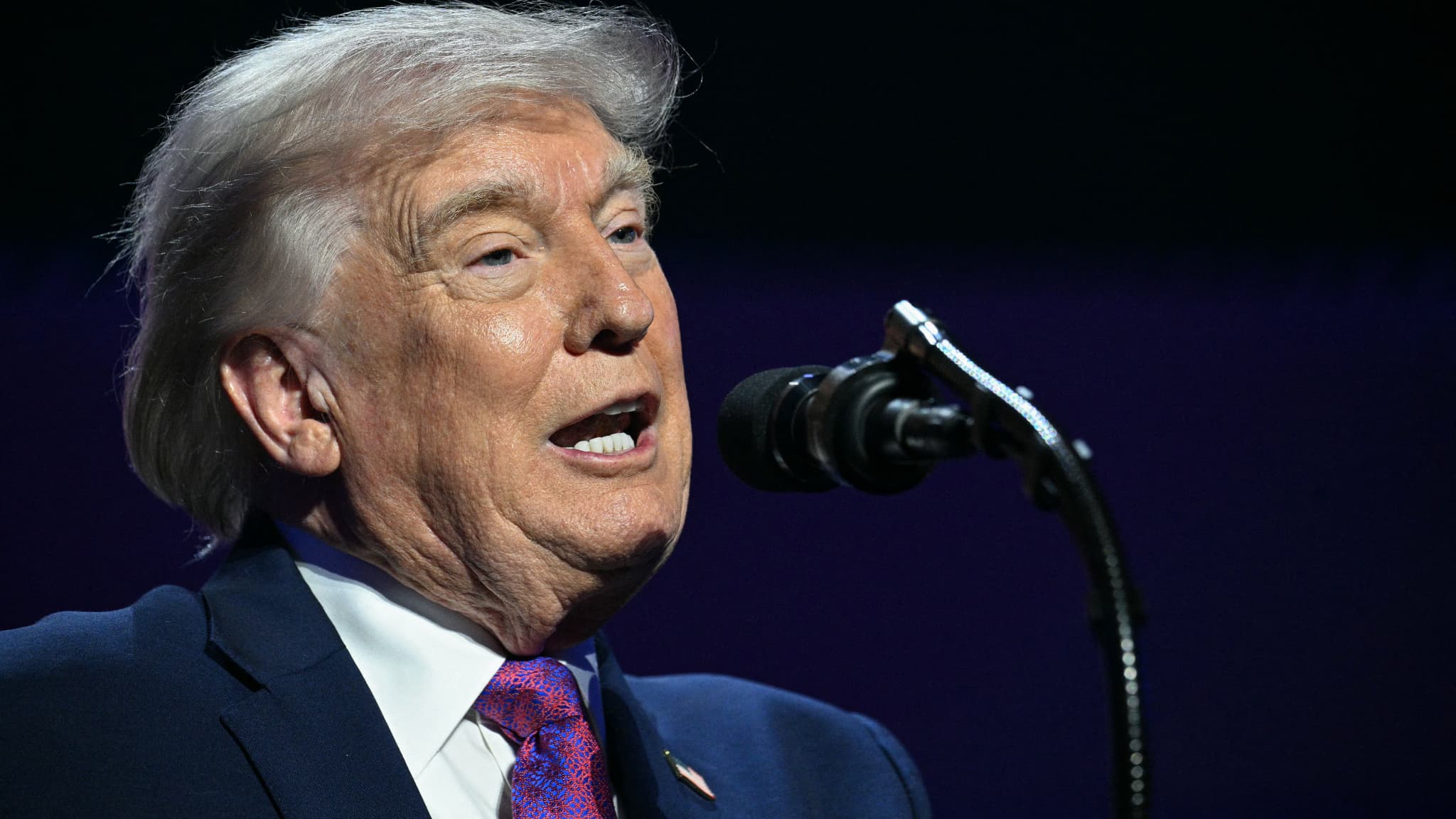
Hong Kong recorded a nearly 18% rise in ransomware attacks in the first three quarters of 2026, driven by artificial intelligence-aided cyberattacks, even as overall technology crime declined. [1]
Hong Kong Ransomware Surge Linked to AI
Hong Kong has recorded a nearly 18 per cent rise in ransomware cases in the first three quarters of this year despite an overall drop in technology crime, with police attributing the rise to artificial intelligence-aided attacks. [1] Chief Superintendent Raymond Lam Cheuk-ho of the cybersecurity and technology crime bureau said police had recorded cases of AI agents and other forms of artificial intelligence being used in cyberattacks as recently as last month. [1] These developments occurred even as overall technology crime declined in the same period. [1]
Police Warning on AI Cyberattack Risks
Chief Superintendent Raymond Lam Cheuk-ho of Hong Kong's cybersecurity and technology crime bureau attributed the ransomware increase to AI agents that raise the speed, volume and effectiveness of attacks. [1] “We understand that the use of AI obviously increases the speed of attacks, the volume and intrusiveness. The attacks will be more effective,” Lam warned. [1] Police in Hong Kong recorded cases of AI being used in cyberattacks as recently as last month. [1] The cybersecurity bureau chief's statements detailed how AI increases attack speed, volume, intrusiveness and effectiveness. [1]
South African Drug Traffickers Arrested in Nigeria
A couple of months ago, a South African mother was sentenced in Nigeria to 25 years in jail after smuggling a heroin consignment while using her toddler son to try to slip through security checks. [2] In September, the NDLEA announced that Jessica Ann Will, 38, was convicted and sentenced in Nigeria to an effective 25 years in jail for importing 5.75kg of heroin. [2] She was arrested at the Nnamdi Azikiwe International Airport in Abuja in July this year after she was found to have hidden 14 blocks of heroin in her luggage. [2] Authorities said she used her three-year-old son to try to evade security at an airport. [2] The month after Will was detained, on 7 October 2026, a woman identified as Qhina Beauty, of South Africa, was arrested at Murtala Muhammed International Airport, Lagos. [2] A statement from the NDLEA alleged that she was found with a 36.65kg cocaine consignment in a departure lounge before boarding a flight to South Africa via Doha. [2]
Nigerian Claims of South African Role in Global Cartels
On Thursday, 5 November, a security briefing that involved various law enforcement agencies was held in Abuja. [2] During the briefing, Francis Okogun, assistant director for media and advocacy with Nigeria’s National Drug Law Enforcement Agency (NDLEA), said: “Just to correct a notion about what most of our South African counterparts always [tell] us, that Nigerians traffic drugs a lot. But if you check most of our press statements in the last few months, the NDLEA has been making a lot of arrests of South Africans who are trying to […] bring drugs into this country.” [2] Okogun also said that a trend had been picked up – South Africans were trying to move drug consignments into Nigeria and further afield. [2] “[They’re] coming into Nigeria to help cartels move their drugs from Nigeria into other parts of the world,” he said. [2] Nigerian authorities report that South Africans are increasingly helping global drug cartels move drugs from Nigeria to other parts of the world. [2]
Mexican Cartel Expansion into Africa
Several incidents suggest Mexican cartels are increasingly active in Africa. [2] Several drug factories have been uncovered in South Africa and among those arrested are Mexican suspects. [2] In April 2026, authorities in Mozambique, which borders South Africa, announced that they had confiscated masses of drug-producing chemicals and arrested three suspects, two from Mexico with alleged Sinaloa cartel links. [2] The month after the Mozambique crackdown, in May 2026, authorities in Nigeria announced the dismantling of “a highly sophisticated, multimillion-dollar Nigerian-Mexican methamphetamine production syndicate.” [2] Mexican cartels are expanding into Africa, with arrests of Mexican suspects linked to the Sinaloa cartel in Mozambique and the dismantling of a Nigerian-Mexican methamphetamine syndicate in Nigeria. [2]
Recent South African Police Drug Seizure
On Saturday, 8 November 2026, police announced that a suspect from Nigeria was arrested in the Eastern Cape and drugs worth R12,400 were seized. [2] Police have arrested a 34-year-old Nigerian national and seized drugs with an estimated street value of R12 400-00 during a successful, intelligence-driven operation. [2] The breakthrough occurred on Saturday afternoon when members from the Makhanda Crime Prevention Unit, in collaboration with Paterson SAPS Visible Policing (Vispol), executed an intelligence-driven operation. [2] A thorough search of the vehicle resulted in the discovery and confiscation of 70 mandrax tablets, 9 bankies of tik (5g each) and 2 bankies of kat (3.5g each). [2]
What to watch next: Police in Hong Kong continue to monitor AI use in cyberattacks following cases recorded as recently as last month, while Nigerian authorities track additional South African nationals attempting to move drug consignments through the country.