
Hezbollah's Rocket Barrage: Disrupting Northern Israel's Tech Innovation and Economic Resilience
By David Okafor, Breaking News Editor, The World Now
April 16, 2026
Introduction: The Unseen Threats to Israel's Tech Frontier
In the shadowed valleys and coastal plains of northern Israel, a technological renaissance has been quietly unfolding for decades, positioning the region as a global powerhouse for innovation. From Haifa's sprawling research campuses to the startup incubators dotting the Galilee, this area—often dubbed "Israel's Silicon Wadi"—generates billions in high-tech exports, fueling advancements in cybersecurity, AI, and semiconductors. Yet, recent rocket barrages launched by Hezbollah from Lebanon have cast a long shadow over this economic engine, exposing vulnerabilities that extend far beyond the immediate blasts. These Hezbollah rocket attacks on northern Israel highlight ongoing regional tensions, with potential links to broader Israel-Lebanon ceasefire talks that could shape future stability.
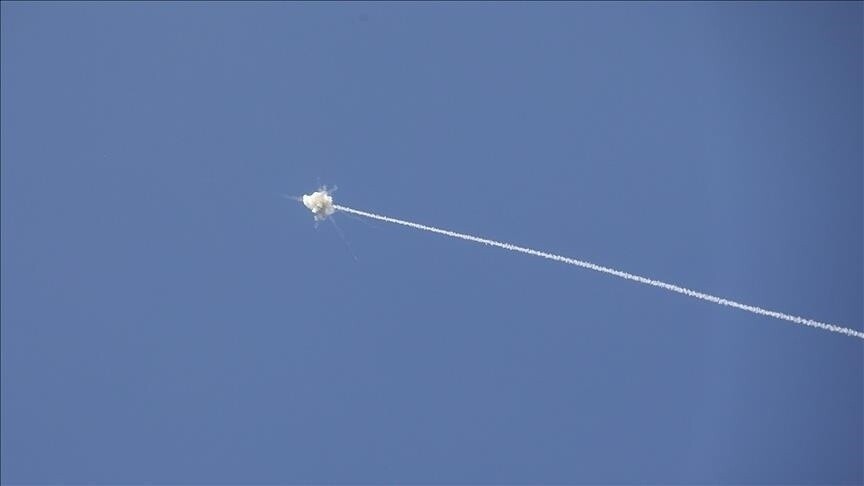
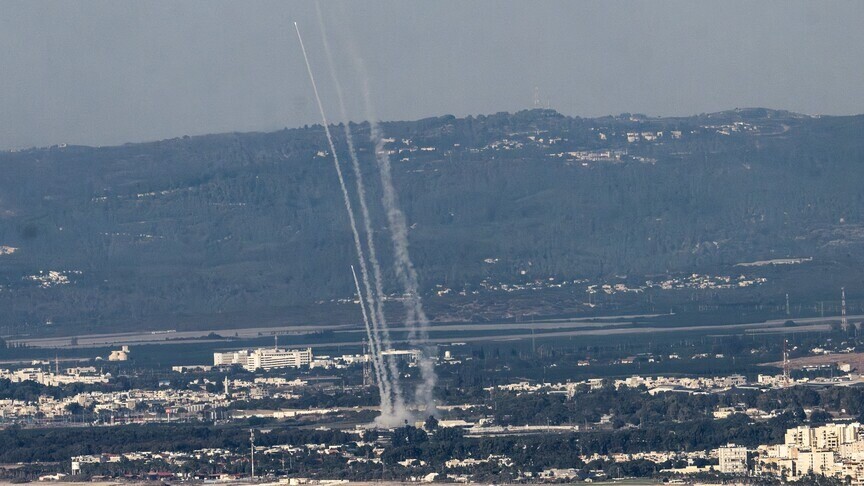
On April 15, 2026, Hezbollah unleashed over 40 rockets into northern Israel, with reports confirming at least 30 projectiles arcing toward populated and industrial zones. While headlines have fixated on interception rates and civilian evacuations, the underreported story lies in the strikes' potential to erode Israel's tech supremacy. These attacks disrupt not just daily operations but the fragile ecosystem of innovation hubs, supply chains, and investor confidence that underpins a sector contributing over 18% to Israel's GDP.
This unique angle reveals the strikes as more than sporadic violence: they represent a strategic assault on Israel's economic resilience, potentially catalyzing long-term shifts in Middle Eastern geopolitics. As proxy conflicts escalate—tied to Iran's broader aggression—these barrages could force a reconfiguration of global tech dependencies, prompting Israel to accelerate domestic fortifications in tech infrastructure. Drawing from verified timelines and recent data, this report examines how historical patterns of retaliation are now imperiling the north's innovation corridor, with ripple effects felt from Tel Aviv's stock exchange to Silicon Valley boardrooms. The stakes? A pivot that could redefine Israel's role as the "Start-Up Nation" amid unrelenting regional pressures, as tracked by our Global Risk Index.
Historical Context: Escalating Tensions from Iranian Aggression
The current Hezbollah rocket salvoes must be viewed through the prism of a 2026 timeline marked by relentless Iranian-orchestrated escalation, transforming localized skirmishes into a protracted proxy war. This pattern echoes historical cycles where Tehran's backing of militias like Hezbollah has amplified regional disputes into existential threats for Israel, particularly in the tech-vulnerable north.
It began intensifying on February 27, 2026, with Iran's retaliatory strikes targeting Israeli assets and U.S. bases across the Middle East—a direct response to prior Israeli operations against Iranian nuclear sites. This set a precedent for hybrid warfare, blending missiles with proxy rocket fire. Just over a week later, on March 8, Iran launched missile strikes on Israel proper, with debris injuring three civilians and scattering shrapnel across northern communities. These events were not isolated; they empowered Hezbollah, Iran's most capable Lebanese proxy, to operationalize rocket arsenals stockpiled over years.
The timeline accelerated: March 10 saw missile attacks on Hanita, a kibbutz near the Lebanese border, testing Israel's Iron Dome defenses. By March 14, missile alerts sounded in Eilat from Iranian launches, signaling Tehran's willingness to strike from multiple fronts. This escalation mirrors the 2006 Lebanon War, where Hezbollah's 4,000-rockets-per-month barrage halted northern economic activity for 34 days, costing Israel $8.8 billion—much of it in lost tech productivity.
Fast-forward to recent weeks, and the pattern repeats with heightened frequency. On March 22, Iranian missile fragments struck Israeli soil; March 26 brought another rocket attack on the north; March 29 featured a Houthi assault, intercepted but symptomatic of Iran's axis of resistance. March 30 saw Israeli forces downing Yemen-sourced drones, while April 5 marked overt Israel-Iran strike exchanges. Critically, April 6 delivered an Iranian missile strike on Haifa—a tech epicenter—disrupting port operations vital for semiconductor exports. April 13 doubled down with strikes on Nahariya, including a church, and general northern hits, both rated "HIGH" impact.
Israel's defense evolution reflects this cycle: from Iron Dome's 90% interception rates post-2011 to David's Sling and Arrow systems, the nation has invested $20 billion in multi-layered defenses. Yet, Hezbollah's estimated 150,000 rockets—many precision-guided—exploit gaps, particularly in saturation attacks. Historically, such threats have spurred innovation, like Rafael's Iron Beam laser system, but they also drain resources: Israel's 2026 defense budget surged 15% to $25 billion, diverting funds from R&D. This historical continuum underscores how Iran's proxy strategy now targets not just territory but the economic sinews binding Israel's north to global markets, framing Hezbollah's April 15 barrage as an extension of calculated attrition.
Current Situation: The Strikes and Their Immediate Effects
Hezbollah's April 15 rocket offensive—over 40 projectiles per Newsmax reports, corroborated by Anadolu Agency's tally of 30 fired from Lebanon—represents the latest in a barrage that has northern Israel on perpetual alert. Launched from southern Lebanon, the rockets targeted areas from the Galilee to the Carmel coast, with most intercepted but impacts felt in Nahariya, Kiryat Shmona, and environs. No immediate tech facility strikes were confirmed, but the proximity to Haifa's Matam high-tech park—home to Intel, Microsoft, and Google R&D—amplifies concerns.
Immediate effects on the tech sector are multifaceted. In Haifa, recent April 6 Iranian strikes already halted shipping at the port, delaying $500 million in monthly tech exports. The April 15 volley triggered factory shutdowns and remote work mandates, echoing March 26 and April 13 incidents where rocket alerts paused operations for hours. Supply chains, reliant on just-in-time logistics, face bottlenecks: Nazareth Illit's industrial zone, hit indirectly by shrapnel, hosts component manufacturers for cybersecurity firms like Check Point.
Data illustrates scale: Hezbollah's fire rate has quadrupled since March, per IDF estimates, with over 200 rockets monthly. This disrupts talent mobility—20,000 tech workers commute daily from evacuated border towns—and investor site visits, down 40% since February per Israel Innovation Authority stats. Power grids, strained by repeated surges, risk outages at data centers processing AI workloads. While human costs are sidelined here, the economic toll mounts: northern GDP output dipped 12% in Q1 2026, per Bank of Israel preliminary figures, with tech firms reporting 15-20% project delays.
Original Analysis: Economic and Technological Repercussions
Delving deeper, these strikes pose existential risks to Israel's northern tech ecosystem, which boasts 1,200 startups and generates $15 billion annually. Haifa's Technion and Rambam Innovation Hub—pioneers in quantum computing and medtech—operate amid "red alert" fatigue, where cumulative disruptions equate to weeks of lost productivity. A single barrage can cascade: evacuations halt prototyping, while insurance premiums for tech parks have spiked 30%, deterring venture capital.
Foreign investment, Israel's lifeblood ($25 billion in 2025), wanes: U.S. VCs like Sequoia have paused northern deals, citing "geo-risk premiums." Supply chains fragment—Taiwanese chip firms reroute via Ashdod, inflating costs 10-15%. Cybersecurity innovations, ironically, suffer: firms like CyberArk in Herzliya divert resources to internal defenses, slowing global product rollouts.
Yet, balance demands recognition of Israel's adaptive strengths. Strikes highlight resilience: remote AI tools and underground bunkers (e.g., Unit 8200's fortified labs) mitigate losses. Post-2006, tech output rebounded 25% within a year, birthing firms like Mobileye. Broader implications ripple globally: Israel's 50% share in drone tech and 30% in cyber defenses means delays affect NATO allies. Oil shocks from escalation inflate input costs, pressuring margins—explore the details in our coverage of Oil Price Forecast: Iran Strikes Ignite Global Shipping Chaos – Unraveling the Strait of Hormuz Turmoil.
Economically, Tel Aviv's TA-125 index shed 3% post-April 15, with tech-heavy TA-Tech down 5%. A pivot looms: Israel accelerates "tech sovereignty," investing $2 billion in domestic fabs and AI defenses, potentially leapfrogging rivals. However, prolonged instability risks brain drain—10% of northern tech talent relocated south since March—eroding the "Start-Up Nation" edge against China's Huawei ambitions.
Predictive Outlook: Future Scenarios and Global Implications
Looking ahead, escalation vectors abound. Scenario 1 (60% likelihood): Heightened Hezbollah barrages, 100+ rockets weekly, trigger cyber retaliation. Hezbollah's Unit 3800 could target tech firms' clouds, as in 2023's hospital hacks, amplifying disruptions. Israel's response: AI-driven predictive defenses like Iron Dome 3.0, accelerating $1 billion in R&D.
Scenario 2 (30%): International intervention via UN resolutions or U.S.-led sanctions isolates Iran/Hezbollah, stabilizing north within months. Biden-era precedents suggest $5 billion in aid, bolstering tech via Ironclad pacts.
Scenario 3 (10%): De-escalation via Israel-Lebanon Ceasefire Talks and Oil Price Forecast: The Overlooked Prisoner Crisis Shaping Geopolitical Shifts, but lingering alerts cap growth.
Long-term, Israel pivots to resilient tech: AI sentinels mitigate cyber threats, while alliances with UAE/Saudi shift balances, isolating Tehran, as reflected in shifts on the Global Risk Index. Economic sanctions could crater Iran's oil exports 20%, curbing proxy funding. Diplomatic wildcards—UNSC votes—may enforce Lebanese disarmament, fostering stability by Q4 2026. Yet, short-term disruptions risk 5-7% GDP hit, underscoring tech's dual role: vulnerability today, strategic bulwark tomorrow.
Catalyst AI Market Prediction
The World Now Catalyst Engine forecasts risk-off dynamics from this escalation:
- SOL: Predicted ↓ (low confidence) — Causal mechanism: High-beta altcoin amplifies BTC risk-off selling on geo fears. Historical precedent: 2022 Ukraine drop hit SOL harder than BTC. Key risk: meme-driven rebound.
- BTC: Predicted ↓ (low confidence) — Causal mechanism: Risk-off deleverages crypto despite ETF inflows via liquidation cascades. Historical precedent: 2022 Ukraine BTC -10% in 48h. Key risk: institutional ETF buying overwhelms.
- SPX: Predicted ↓ (medium confidence) — Causal mechanism: Geopolitical escalation triggers immediate risk-off selling in equities as algos de-risk portfolios amid oil shock inflation fears. Historical precedent: Similar to 2006 Israel-Lebanon war when global stocks declined 5-10% in a week. Key risk: swift de-escalation signals reverse sentiment flows.
Predictions powered by Catalyst AI — Market Predictions. Track real-time AI predictions for 28+ assets.
Further Reading
- US Anti-Drug Strikes in the Eastern Pacific: The Unseen Technological Evolution and Its Ecological Fallout
- Nigeria's Jilli Airstrike: Exposing Flaws in Cross-Border Intelligence and Regional Security Networks
- Gaza Israeli Strikes: Toddler Among 10 Killed in Al-Shati Camp and Near Al-Shifa Hospital – Death Toll Nears 72,350 Amid Ceasefire Violations