
Israel-Lebanon Ceasefire Talks and Oil Price Forecast: The Overlooked Prisoner Crisis Shaping Geopolitical Shifts
The Story
The narrative unfolding on the Israel-Lebanon border is one of cautious optimism laced with profound peril, where the thunder of artillery has given way to whispers of negotiation, yet the human toll in distant prison cells casts a long shadow. Just days ago, on April 15, 2026, Israeli security cabinet members convened to discuss a potential ceasefire with Lebanon, as reported by the Cyprus Mail and Jerusalem Post. These talks mark a rare breakthrough: the first direct high-level discussions between the two nations since 1993, per BBC coverage. France 24's live updates suggest an announcement could come as early as tonight, potentially halting cross-border exchanges that have killed over 500 Lebanese and 50 Israelis since October 2023. This fragile progress carries significant weight for the broader oil price forecast, as any escalation could disrupt key supply routes in the region.
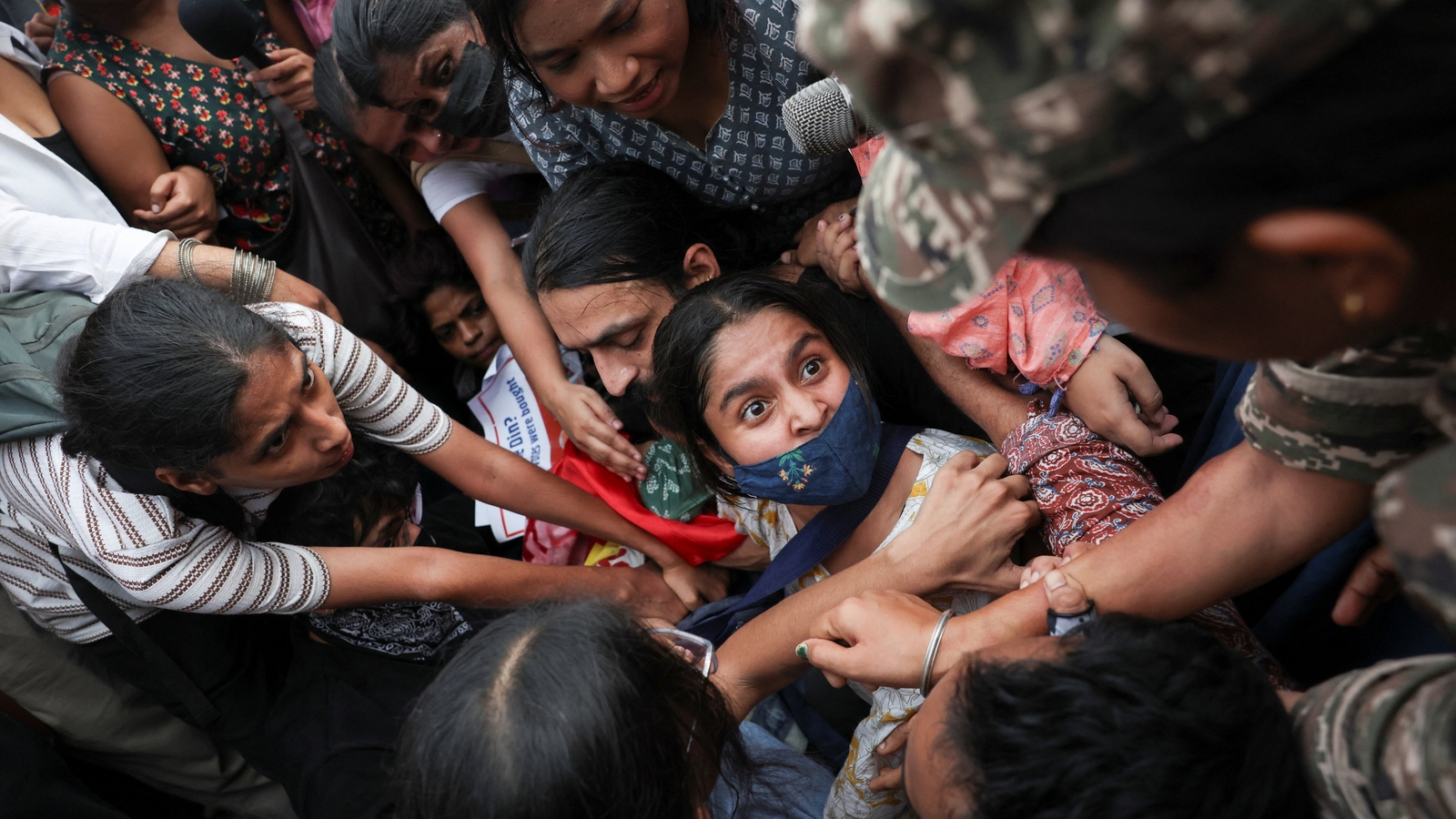
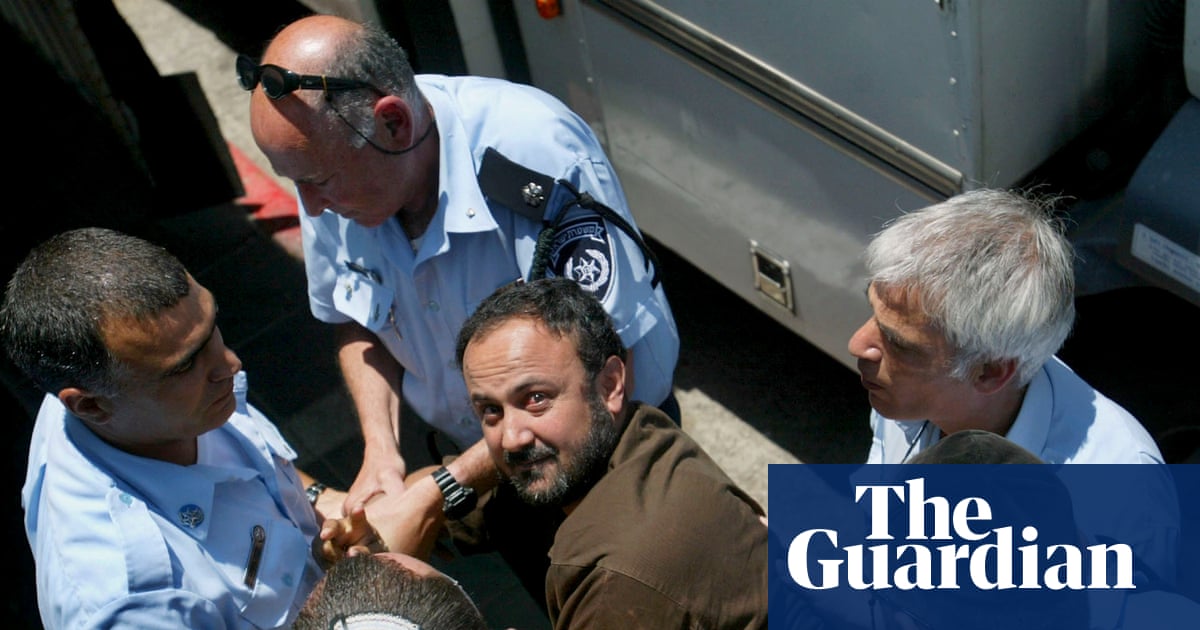
At the heart of this story lies an overlooked flashpoint: the plight of Palestinian prisoners in Israeli custody, particularly Marwan Barghouti, the jailed Fatah leader often dubbed the "Palestinian Mandela." The Guardian's April 15 report details confirmed accounts of "escalating abuse," including beatings, solitary confinement, and denial of medical care, amid a broader pattern affecting thousands. Barghouti's cell in Hadarim Prison has become a symbol of resistance; incarcerated since 2002 for his role in the Second Intifada, he polls as the most popular Palestinian figure, potentially succeeding the aging Mahmoud Abbas. His mistreatment isn't isolated—human rights groups document over 10,000 Palestinian detainees, with recent spikes in administrative detentions without trial. These dynamics add layers of uncertainty to oil price forecasts, as prisoner-related unrest could fuel wider conflicts impacting energy markets.
This prisoner crisis intersects with Lebanon talks in unexpected ways. Hezbollah, Lebanon's Iran-backed powerhouse, has long framed its standoff with Israel as part of the broader Palestinian struggle. Any ceasefire without addressing prisoner welfare risks being seen as a betrayal, potentially fracturing the "unity of arenas" strategy that links Gaza, Lebanon, and Iran. Reports from The New Arab highlight Israel's plans for new settlements on private Palestinian land, fueling outrage that could manifest in Hezbollah's reluctance to stand down. Such tensions underscore the volatility in oil price forecasts, where Middle East geopolitical shifts directly influence global crude prices.
To grasp the urgency, we must rewind to the volatile 2026 timeline that set this stage. On January 16, Arab nations and Israel urged then-incoming U.S. President Trump to confront Iran, signaling a realignment. By January 25, the U.S. reviewed possible strikes on Iranian targets, escalating rhetoric. Netanyahu's January 27 call for Hamas disarmament echoed prisoner tensions, as releases have historically been tied to such deals—like the 2011 Gilad Shalit exchange of one Israeli soldier for 1,027 Palestinians, including many Fatah leaders. A U.S. destroyer docked in Eilat on January 30 amid tensions, followed by embassy services in the West Bank on February 24, underscoring American military posturing that has repeatedly influenced Israeli concessions. These events mirror patterns seen in broader US-Iran tensions, which continue to shape oil price forecasts.
Recent events amplify the drama: Israel's resumption of Leviathan gas exports on April 3, missile defense shifts on March 29, and Netanyahu's March 22 threats against Iranian leaders. Iran’s March 26 warning to U.S. troops and El Al flight cancellations on March 18 paint a region on edge. Echoes of U.S. interventions—like the 2020 Soleimani strike—remind us how Washington’s destroyer in Eilat mirrored past shows of force, pressuring Israel toward diplomacy while eyeing Iran. These historical parallels suggest the current Lebanon talks aren't isolated; they're a microcosm of U.S.-brokered patterns where prisoner swaps lubricate ceasefires, humanizing the abstract geopolitics with stories of families reunited—or torn apart. For deeper insights into how such defense realignments affect markets, explore our Global Risk Index.
Confirmed: Direct Israel-Lebanon talks (BBC), security cabinet discussions (Cyprus Mail), Barghouti abuse reports (Guardian). Unconfirmed: Exact ceasefire terms or announcement timing (Jerusalem Post reports speculative).
Oil Price Forecast and Key Players
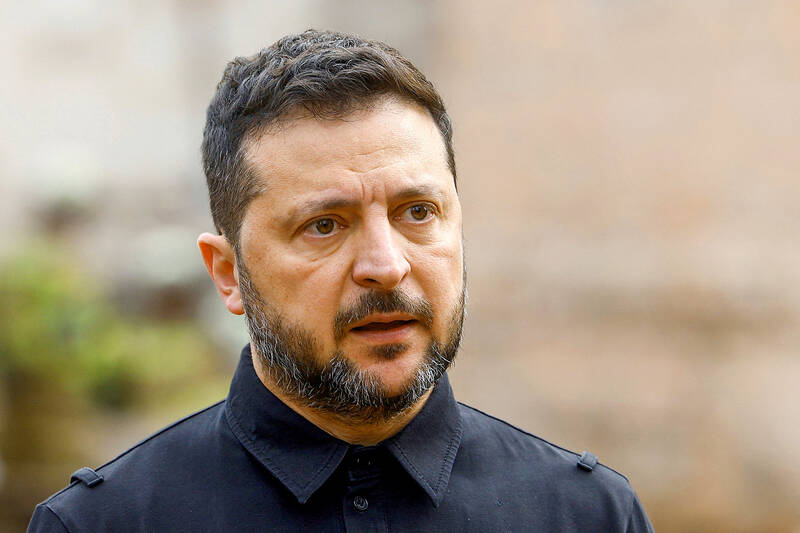
Israel: Prime Minister Benjamin Netanyahu, facing domestic protests and ICC warrants, views a Lebanon ceasefire as a win to refocus on Gaza and Iran. Motivations blend security—curbing Hezbollah rockets—with political survival, though hardliners resist prisoner releases.
Lebanon/Hezbollah: Hassan Nasrallah's group, battered by Israeli strikes, seeks breathing room amid economic collapse. They leverage Palestinian prisoner issues for legitimacy, tying welfare to any deal.
Palestinians/Marwan Barghouti: The 66-year-old leader, serving multiple life sentences, embodies Fatah's grassroots appeal. His family reports severe health declines; abuse risks martyrdom status, galvanizing West Bank unrest.
Iran: As Hezbollah's patron, Tehran uses prisoner crises to stoke "resistance axis," per Jerusalem Post analysis on Israel-Turkey rifts. Motivations: Proxy warfare without direct confrontation. See related analysis on Iran's role in oil price forecasts.
United States: Trump's incoming administration echoes 2026 posturing (Eilat docking), potentially intervening via aid or pressure. Historical U.S.-Arab alliances (Jan 16) motivate balancing Israel support with stability.
Turkey: Erdogan's vocal criticism amplifies prisoner abuses, straining ties amid Iran war (JPost), positioning Ankara as Sunni counterweight.
Other voices: Eyal Weizman (Middle East Eye) accuses Israel of "engineering ethnic cleansing" via detention policies; ex-Shin Bet head warns of "apartheid" without land division (France 24); Rev. Munther Isaac highlights attacks on Palestinian Christians (New Arab), humanizing the Christian minority's plight.
The Stakes
Politically, failure risks Hezbollah resurgence, dragging Lebanon into full war and empowering Iran. Economically, prolonged conflict disrupts Eastern Mediterranean gas—Israel's Leviathan fields vital for Europe. Humanitarian toll: Over 1.5 million displaced Lebanese, per UN; in prisons, abuse claims evoke Guantanamo parallels, eroding Israel's moral standing.
The prisoner angle is pivotal. Barghouti's peril could force Israel to reevaluate settlements (New Arab), turning detainees into geopolitical leverage. Weizman's forensic architecture analysis frames prisons as tools of control, arguing unresolved issues undermine ceasefires by fueling radicalization. Original insight: Releasing Barghouti-like figures might empower moderate Palestinian leadership, shifting alliances from Iran toward pragmatic deals with Turkey or Gulf states, altering post-Abbas dynamics. This realignment could stabilize oil price forecasts, as Gulf states forge independent paths amid turmoil.
For Lebanese civilians, a ceasefire offers respite—families in border villages like Marjayoun live in bunkers, children traumatized by drones. Israelis in the north, evacuated en masse, yearn for normalcy. Broader: Unaddressed abuses risk "apartheid" trajectory (ex-Shin Bet), per France 24, with settlement expansion signaling permanent divisions.
Market Impact Data
Geopolitical jitters from Lebanon talks and intertwined Iran tensions are rippling through markets, with risk-off sentiment dominating despite ceasefire hopes. Oil prices hover above $100, up 2% intraday on supply fears echoing 1973 embargo precedents. Equities waver: S&P 500 (SPX) dipped 0.8% as algorithms de-risk, reminiscent of 2006 Israel-Lebanon war's 5-10% weekly plunge. Safe havens shine—USD index +0.4%, CHF +0.3%—while EUR slides 0.5% on energy cost fears.
Crypto bleeds: BTC -3% amid liquidation cascades (2022 Ukraine parallel), SOL -5% as high-beta asset. Semis like TSM fall 1.2% on trade disruption worries. These movements highlight the critical role of Middle East events in shaping accurate oil price forecasts.
Catalyst AI Market Prediction
Powered by The World Now Catalyst Engine and our Catalyst AI — Market Predictions, our AI models forecast:
- SPX: Predicted - (medium confidence) — Causal mechanism: Geopolitical escalation triggers immediate risk-off selling in equities as algos de-risk portfolios amid oil shock inflation fears. Historical precedent: Similar to 2006 Israel-Lebanon war when global stocks declined 5-10% in a week. Key risk: swift de-escalation signals reverse sentiment flows.
- USD: Predicted + (medium confidence) — Causal mechanism: Safe-haven demand surges on US-Iran escalation as investors flee risk assets into USD amid diplomatic failure. Historical precedent: January 2020 Soleimani strike strengthened DXY by 0.5% intraday. Key risk: sudden de-escalation via backchannel talks weakening haven flows.
- OIL: Predicted + (high confidence) — Causal mechanism: US-Iran tensions threaten Strait of Hormuz supply routes, spiking prices above $100 on physical disruption fears. Historical precedent: January 2020 Soleimani strike jumped oil 4-5% in a day. Key risk: IAEA or diplomatic intervention signaling supply security.
- CHF: Predicted + (medium confidence) — Causal mechanism: Traditional safe-haven flows into CHF amid US-Iran and Eastern Europe escalations. Historical precedent: January 2020 Soleimani event lifted CHF 0.4% vs USD in 24h. Key risk: ECB hawkish surprise strengthening EUR and pressuring CHF.
- TSM: Predicted - (medium confidence) — Causal mechanism: Taiwan espionage indictments heighten China risk perception, triggering selling in semis despite South Korean peer rally. Historical precedent: 1996 Taiwan Strait Crisis fell Taiwanese stocks 5% initially. Key risk: US-Iran ceasefire boosting global chip demand sentiment.
- EUR: Predicted - (medium confidence) — Causal mechanism: Estonia-Russia threats and Ukraine tensions pressure EUR via regional risk-off. Historical precedent: February 2014 Crimea annexation weakened EUR 1% in 48h. Key risk: Germany-Ukraine partnership boosting EU sentiment.
- SOL: Predicted - (low confidence) — Causal mechanism: Risk-off from US-Iran headlines cascades into high-beta crypto liquidations. Historical precedent: January 2020 Soleimani drop amplified SOL-like alts 5-10% in 24h. Key risk: dip-buying from ETF flows halting cascade.
- BTC: Predicted - (medium confidence) — Causal mechanism: Risk-off selling dominates as BTC behaves as risk asset on geo headlines. Historical precedent: February 2022 Ukraine invasion dropped BTC 10% in 48h. Key risk: institutional dip-buying via ETFs.
- GOLD: Predicted + (low confidence) — Causal mechanism: Safe-haven bid strengthens on US-Iran supply fears despite initial USD competition. Historical precedent: January 2020 Soleimani spiked gold +3% intraday. Key risk: sharp USD rally crowding out gold.
Predictions powered by The World Now Catalyst Engine. Track real-time AI predictions for 28+ assets.
Looking Ahead
A successful ceasefire—potentially announced imminently—could trigger prisoner exchanges, de-escalating Lebanon tensions but heightening Iran focus, per Jerusalem Post. Timeline: Cabinet decision within 48 hours; implementation by week's end if agreed.
Scenarios: Optimistic—U.S. mediation (echoing 2026 Eilat) yields Barghouti release, stabilizing West Bank. Pessimistic—Abuse reports spark protests, collapsing talks and inviting Hezbollah strikes, drawing U.S. intervention like January reviews. Long-term: Failure risks "apartheid" divisions (Shin Bet warning), with settlements entrenching conflict; success might empower Palestinian moderates, reshaping Iran-Turkey alliances.
Watch: April 16 cabinet outcome; Barghouti health updates; Iran responses. Broader protests could alter leadership, pulling in Trump-era diplomacy. Monitor our Global Risk Index for ongoing updates on how these developments influence oil price forecasts and global markets.
This is a developing story and will be updated as more information becomes available.