
Hackers Breach U.S. Agriculture Department Payments System
The U.S. Agriculture Department and the FBI were breached by hackers in cyberattacks, U.S. media reported Friday, as concerns deepened over the recent spate of tech outages at key American institutions. [2] The incidents were first reported by NBC News and CNN respectively, and it remained unclear whether they were related and who was responsible. [5] Major outages in recent weeks have disrupted travel, communications and e-commerce for countless users across the United States, even affecting a top-secret network at the National Security Agency. [2]
USDA Payments System Targeted
The U.S. Department of Agriculture told employees that a system used to facilitate payments to farmers was targeted in a cyberattack, according to reporting that cited two former USDA officials. [2] The hackers may use the payments system as a backdoor to access more sensitive material, the former officials told NBC. [5] The USDA deals with a bunch of scary biologic issues and if an adversary or a competitor were to have access to that same information they could use our own research against us, a former official was quoted as saying. [2] This potential access raises worries that research on biologic issues could be turned against U.S. interests if obtained through the compromised payments system. [5] The former officials emphasized that the payments system might serve as an entry point for deeper intrusions into areas involving sensitive biologic research handled by the department. [2]
Second FBI Breach in Months
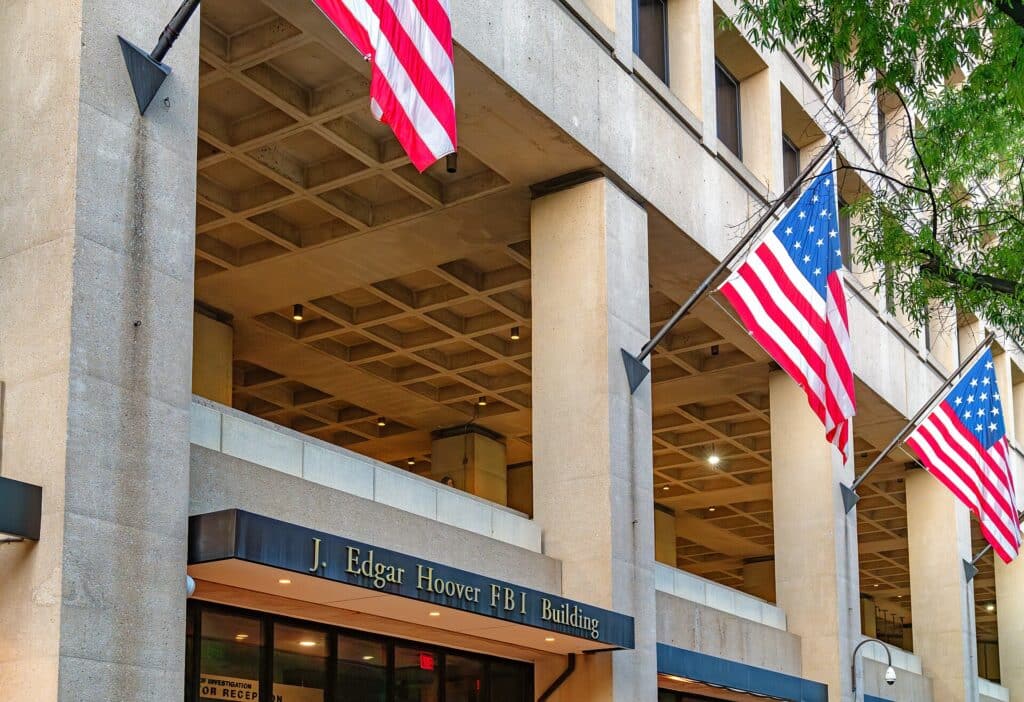
CNN said separately on Friday that the FBI was hacked for the second time since September. [5] The federal agency was investigating an intrusion of the National Crime Information Center by apparent hackers, CNN reported citing two people briefed on the probe. [2] The NCIC has a nationwide criminal information database linking federal, state and local law enforcement and is used to share information on warrants and background checks. [5] Every day, officers across the country rely on NCIC to identify wanted fugitives, check for outstanding warrants, and access information that can directly impact officer and public safety, a former FBI official told CNN. [2] The former official expressed concerns that hackers could compromise the accuracy of the information that officers rely on. [5] Such a compromise could affect how law enforcement agencies nationwide use the database for critical checks involving fugitives and warrants. [2]
Unclear Links to Recent Outages
The newly uncovered breaches at the FBI and USDA were described as hacks, which are different from outages like the ones that afflicted Microsoft Outlook and the Federal Aviation Administration. [5] It remained unclear whether the USDA and FBI breaches were related and who was responsible. [2] Major outages in recent weeks have disrupted travel, communications and e-commerce for countless users across the United States, even affecting a top-secret network at the National Security Agency. [5] U.S. President Donald Trump has sought to calm the public and urged people to relax, while officials said the various outages were not linked to criminal activity. [2] The incidents stand apart from those broader disruptions that hit multiple sectors including travel and communications. [5]
Prior FBI Incident and Leadership Change
In September, a hacking group known as ShinyHunters targeted sensitive employee personal data from an FBI jobs website. [2] The White House fired cybersecurity chief Sean Cairncross this week as criticism mounted over the string of major outages. [5] The September incident marked the first reported hack of the FBI in recent months before the latest intrusion into the National Crime Information Center. [2] Criticism over the outages contributed to the decision to remove the national cyber director from the position. [5]
What to watch next: Officials continue to investigate the intrusions into the USDA payments system and the NCIC database while distinguishing these events from separate outages that affected multiple U.S. institutions.