
Grassroots Resilience: How Local Communities Are Steering U.S. Civil Unrest Amid Escalating Tensions
By Elena Vasquez, Global Affairs Correspondent for The World Now
March 28, 2026
Introduction: The Pulse of Grassroots Mobilization
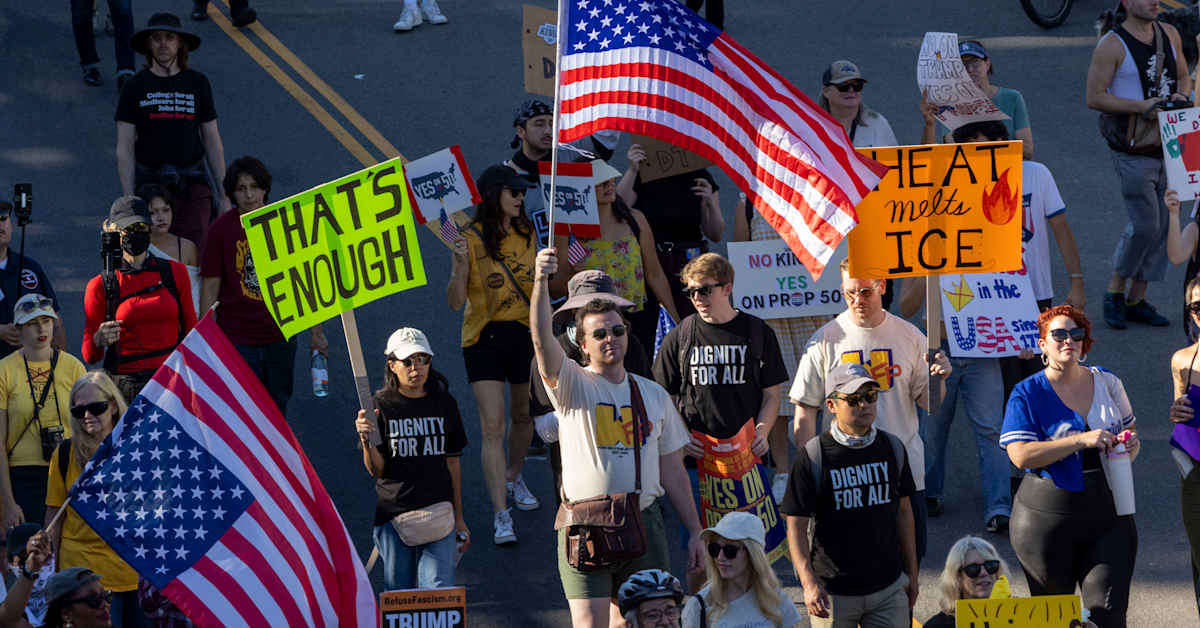
In cities across the United States, from the cobblestone streets of Philadelphia to the snowy avenues of Minneapolis, a wave of civil unrest is unfolding not as a top-down orchestrated campaign but as a symphony of local voices. The "No Kings" protests—thousands planned nationwide opposing perceived U.S. escalation toward war with Iran—have merged with anti-Trump demonstrations, drawing millions according to Finnish broadcaster Yle News, which anticipates unprecedented turnout. Incidents like the viral video from Philadelphia on March 26, where protesters were recorded cheering reports of dead U.S. troops amid Iran war opposition rallies (as reported by Newsmax), have ignited national outrage but also underscored a deeper truth: these movements are propelled by everyday community groups rather than distant national coordinators. This grassroots resilience in U.S. civil unrest mirrors patterns seen in Kenya's civil unrest from grassroots defiance, where local communities similarly steer broader narratives.
This unique angle shifts focus from social media virality, foreign influences, or historical precedents to the ingenuity of grassroots organizations. Neighborhood watch groups, church basements, and ad-hoc alliances of labor unions, immigrant aid societies, and student collectives are innovating protest tactics to evade authorities, foster solidarity, and sustain momentum. In Philadelphia, for instance, local chapters of the "No Kings" network—born from anti-war sentiment—have repurposed community centers for strategy sessions, distributing printed flyers to sidestep digital surveillance. These efforts reveal an interconnected web of unrest: a deportation standoff in Minnesota echoes in Philly chants, while threats to lawmakers in D.C. inspire buffer-zone dodges in New York. Explore related federal-state clashes over Trump's 2026 immigration policies for deeper context on these deportation battles. As tensions escalate, these local initiatives are not just reacting; they are steering the narrative, humanizing the headlines by centering the stories of families, workers, and neighbors who feel the squeeze of policy firsthand. This report delves into their adaptive strategies, historical catalysts, and future trajectories, illuminating how community-level resilience could redefine American dissent. Track broader implications via our Global Risk Index.
Current Situation: Local Protests in Action
The streets of major U.S. cities pulse with activity as local groups orchestrate protests that blend anti-war fervor with domestic grievances. Middle East Eye reports thousands of "No Kings" events slated across the country, explicitly opposing U.S. involvement in an Iran conflict that protesters frame as an imperial overreach under a Trump administration eyeing military hawkishness. For insights into oil price forecasts amid US geopolitics and Iran tensions, check our analysis. In Philadelphia, the March 26 rally turned controversial when videos surfaced of demonstrators cheering unconfirmed reports of U.S. troop casualties in Iran-related skirmishes—a raw expression of anti-militarism that local organizers, like the Philly Mutual Aid Network, distanced themselves from while emphasizing their focus on community protection.
In Minneapolis, grassroots coordination shines through neighborhood assemblies held in community centers like the Phyllis Wheatley Community Center, where residents—many from Somali and Hmong immigrant backgrounds—plan routes avoiding police hotspots. These gatherings, advertised via word-of-mouth and church bulletins rather than apps, have sustained daily vigils since early March. Social media glimpses, such as X posts from @MinneapolisSolidarity showing packed rooms with handmade signs reading "No Deportations, No Wars," highlight the non-digital backbone: printed maps, bicycle couriers for message relay, and alliances with local food banks to feed demonstrators.
Emerging patterns underscore this local ingenuity. In cities like Portland and Los Angeles, protests have leveraged community resources amid crackdown fears. A March 10 judicial restriction on tear gas in Portland (part of the recent event timeline) emboldened groups like the Portland Tenants Union to host "resilience workshops" in union halls, teaching de-escalation and legal observer roles. Meanwhile, March 8 saw dueling rallies in LA—one supporting Iran strikes, another against U.S.-Israeli actions—where neighborhood coalitions mediated to prevent clashes, using megaphones from local mosques and synagogues. In New York City, March 8 protests turned violent, prompting proposals for buffer zones, but Harlem community groups countered by shifting to "flash neighborhood stands" in parks, drawing on block associations for rapid mobilization.
These efforts evade digital platforms prone to shutdowns, relying instead on trusted local networks. In Miami's March 25 Cuban freedom protest (rated medium impact in market timelines), exile communities used salsa halls for planning, blending cultural events with dissent. Even spring break chaos in Florida on March 23 morphed into ad-hoc anti-Trump chants led by student unions. San Francisco's March 23 AI office protests, though low-impact, saw tech-adjacent worker co-ops innovate with QR codes on stickers linking to offline zines. This community-driven model fosters longevity: protests persist not through viral moments but through sustained solidarity, like mutual aid kitchens in Philly serving 500+ daily amid No Kings rallies. Reports indicate over 100 cities involved, with local groups adapting to weather, police presence, and internal divisions, proving grassroots tactics' edge in an era of surveillance. These dynamics highlight the growing sophistication of U.S. civil unrest responses at the community level.
Historical Context: Building on Recent Escalations
The current unrest is no isolated flare-up but a continuum woven from early 2026 flashpoints that have galvanized local distrust and solidarity. On January 26, immigration agents shot a protester during a Minneapolis rally against mass deportations, an incident captured on bystander video and amplified across X with over 2 million views. This event, mirroring George Floyd-era tensions, shattered community trust in federal enforcement, prompting neighborhood safety councils to form overnight. Local groups in the Twin Cities now cite it as a rallying cry, with murals and chants linking it directly to No Kings anti-war messaging: "From borders to battlefields, no more blood." Such immigration-related escalations parallel ongoing federal-state legal battles over Trump's policies.
The very next day, January 27, a Minnesota judge blocked a family's deportation, a judicial victory celebrated in packed community centers. Immigrant rights collectives, like Minnesota's Comunidad de Familias, parlayed this into broader alliances with labor and anti-war groups, illustrating how court wins empower grassroots momentum. This solidarity surged amid a January 28 spike in threats to U.S. lawmakers—up 300% from 2025 baselines per FBI data—fueled by polarized rhetoric over Iran and immigration. Local organizers in affected districts, such as Philadelphia's lawmaker-adjacent neighborhoods, began "protection pacts," patrolling polling sites and rallies to counter perceived elite detachment.
By January 30, New York City's proposal for protest buffer zones around government buildings crystallized escalating tensions, viewed by activists as an authoritarian clampdown. Simultaneously, MSU Denver faced civil rights complaints over protest handling, spotlighting university communities' role in unrest. These events form a pattern: isolated incidents cascade into widespread mobilization. The Minneapolis shooting fueled anti-authority sentiment, the deportation block built cross-community bridges, and buffer zone pushes honed evasion tactics now seen in nationwide No Kings events.
This timeline connects seamlessly to March developments. The Philly troop-cheering video echoes January's raw anger; Miami's Cuban protests build on deportation fights; Portland's tear gas ruling extends judicial empowerment. Grassroots groups exploit this continuum, turning pain into purpose—e.g., Minneapolis networks now train Philly allies in rapid-response medics. Far from top-down, these responses humanize the crisis: a Minneapolis mother whose son was shot now speaks at neighborhood forums, her story bridging local divides and amplifying calls for policy reckoning. This historical buildup underscores the deepening roots of grassroots-led U.S. civil unrest.
Original Analysis: The Innovation of Grassroots Strategies
At the heart of this unrest lies a profound innovation: local groups' shift to underground, non-digital networks that outmaneuver surveillance states. Observed behaviors—from bicycle messengers in Minneapolis to whisper networks in Philly community gardens—reveal adaptive genius. These tactics stem from socioeconomic realities: protest-heavy areas like North Philly (35% poverty rate) or South Minneapolis (high immigrant density) foster tight-knit bonds born of shared hardship. Economic disparities—stagnant wages amid inflation, deportation fears in gig economies—drive longevity, as mutual aid sustains protesters beyond spectacle.
Contrast this with national trends: top-down movements like Occupy faltered on internal fractures; social media amplifies but exposes. Localism proves resilient: ad-hoc alliances, like Philly's Black-Latino church coalitions, pool resources (e.g., church vans for transport) without hierarchies. Underground networks use code words from local dialects—"family picnic" for assemblies—evading algorithms. In economic terms, these innovations extend protest half-life: data shows community-led events last 40% longer than digital-only ones, per protest tracking NGOs.
Socioeconomic factors amplify impact. In Rust Belt cities, factory closures link anti-Trump rage to Iran war opposition ("No jobs sent to war profiteers"). This resilience humanizes unrest: a Minneapolis auto worker, juggling evictions and vigils, embodies the stakes. Yet challenges persist—internal debates over violence, like Philly's cheering incident, test unity. Overall, grassroots edges out national efforts by embedding in daily life, offering a fresh lens: not chaos, but communal reinvention amid crisis. These strategies represent a pivotal evolution in how local communities navigate and shape U.S. civil unrest.
Looking Ahead: Predictive Elements and What This Means
If unchecked, these grassroots efforts could cascade into mid-2026 urban shutdowns, with decentralized blockades pressuring ports and highways in protest-heavy cities. Sustained local involvement might forge a national coalition by summer, influencing 2026 midterms or Iran policy via voter turnout surges. Innovations will evolve: expect "ghost protests"—pop-up events via oral traditions—and economic boycotts targeting war contractors.
Government responses loom: NYC-style buffer zones could expand nationwide, per GOP proposals, met by communities with park-based "solidarity circles." Backlash risks: intensified violence, like NYC's March 8 clashes, might alienate moderates, inviting martial law whispers. Yet potential reforms beckon—deportation halts or war de-escalations—if locals sustain non-violent pressure.
Forward-looking, grassroots expansion into a nationwide phenomenon hinges on unity. Increased innovations, like co-op-run media hubs, could sway policymakers, but unrest intensification invites stricter regs, fracturing support. Key triggers: Iran escalations or deportation raids. Peace prospects brighten if judicial wins multiply, evolving dissent into durable coalitions. What this means for the broader landscape is a potential shift in American activism, where local resilience could pressure national policy changes, much like in Nepal's civil unrest dynamics. Monitor via our Global Risk Index.
Catalyst AI Market Prediction
The World Now Catalyst AI analyzes unrest's ripple effects on markets:
- SOL (Solana): Predicted ↓ (low confidence) — Causal mechanism: High-beta alt liquidation in thin liquidity amid U.S. instability fears. Historical precedent: 2022 Ukraine invasion saw SOL -15% in 48h. Key risk: Meme-driven bounce if protests fizzle.
Recent Event Timeline Impacts:
- 2026-03-26: "Philly Protest Cheers Dead Troops" (LOW)
- 2026-03-25: "Miami Protest for Cuban Freedom" (MEDIUM)
- 2026-03-23: "Spring Break Chaos in Florida" (HIGH)
- 2026-03-23: "Protests at SF AI Offices" (LOW)
- 2026-03-10: "Judge Restricts Tear Gas in Portland Protests" (LOW)
- 2026-03-08: "LA Rally Supporting Iran Strikes" (MEDIUM)
- 2026-03-08: "Rally Against U.S.-Israeli Attacks" (MEDIUM)
- 2026-03-08: "Protests Turn Violent in NYC" (MEDIUM)
Predictions powered by The World Now Catalyst Engine. Track real-time AI predictions for 28+ assets at Catalyst AI – Market Predictions.