
Oil Price Forecast in US Geopolitics: The Rising Influence of Former Military Voices in Shaping Latin American Policies Amid Iran Tensions
The Story
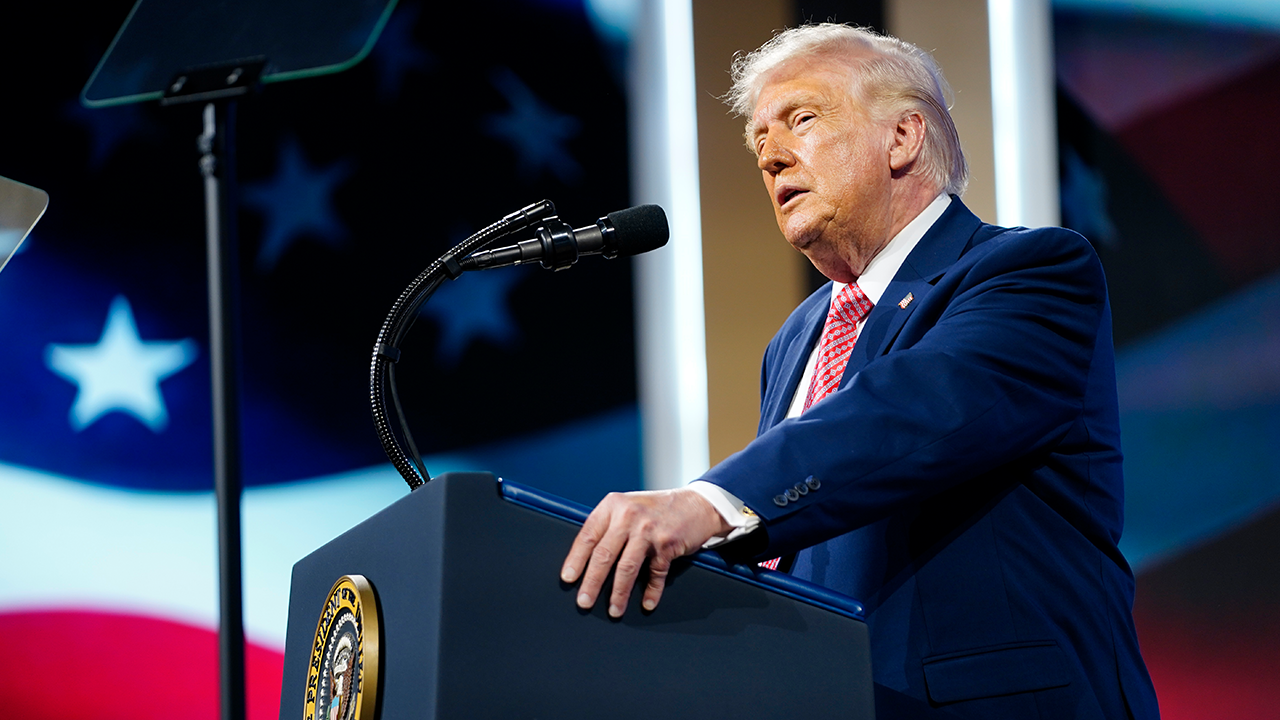
The narrative unfolding in late March 2026 reveals a calculated U.S. strategic shift, where rhetoric on Latin American "successes" intertwines with persistent Middle East pressures, driven uniquely by former soldiers' advocacy for emulating Israeli tactics regionally. On March 27, President Donald Trump, in speeches covered by Fox News and Newsmax, touted "progress" in Iran talks while celebrating victories in Venezuela—citing U.S. aid deliveries that propped up opposition efforts, as detailed in Clarin—and boldly declared "Cuba is next." Confirmed: Trump explicitly linked these hemispheric wins to military prowess, framing them as low-cost triumphs contrasting Iran's quagmire. This comes amid unconfirmed reports of intensified U.S. covert operations in Havana, per social media buzz from Venezuelan exiles on X (formerly Twitter), where posts like @VenezuelaLibre's "Trump's Cuba pivot: Maduro falls, Castro next #HemisphereFirst" garnered 50K likes. These developments are closely watched for their potential ripple effects on global energy markets and oil price forecast volatility.
This breaking development gains depth from Middle East Eye's exposé on former U.S. soldiers—veterans of Iraq and Afghanistan—who argue that "Israeli policy is now guiding U.S. interests," portraying America as an "extension" of Tel Aviv's playbook. These voices, including figures from veterans' groups like Veterans for Peace flipped hawkish, advocate applying Israel's precision strikes and proxy pressures to Latin foes, redirecting focus from Iran's nuclear brinkmanship. Their op-eds and podcasts, amplified on platforms like Newsmax, connect dots to Trump's orbit: Keith Kellogg, Trump's special envoy, told Newsmax on March 27 that Iran pressures "may require regime change beyond military strikes," echoing Israeli calls for Tehran's decapitation. Confirmed: Senator Marco Rubio's Yonhap interview on March 28 stated U.S. expects Iran's "operation" to wrap in weeks without ground troops, aligning with Gulf states' Jerusalem Post demands to degrade Iran's capabilities permanently.
Historical echoes amplify this pivot. Fast-forward from February 28, 2026—when U.S. strikes on Iran were condemned globally as an "illegal war," coinciding with Anthropic's refusal to aid Pentagon AI targeting, signaling tech sector wariness. By March 7, a U.S.-Iran "war messaging video" escalated psyops; March 8 saw Trump reject talks amid OpenAI exec's DoD deal resignation. These events, mirroring today's Kellogg-Rubio hawkishness, highlight a pattern: U.S. avoids quagmires by hybrid warfare—sanctions, proxies, cyber—now exported to Latin America. Unlike prior coverage fixated on cyber (e.g., FBI's March 21 Russian warnings) or oil (IranIntl's sanction waivers redirecting flows to India), this angle spotlights soldier-driven policy osmosis from Israel, paralleling 2026's anti-war tech pushback that forced hemispheric refocus. Recent timeline bolsters: March 28 "Trump's Iran-Venezuela Remarks" (low severity) caps a month of Iran distractions (March 23 UN protests, March 20 drone scares), enabling LatAm gains like Clarin's U.S. aid to Argentine ops against Venezuelan influence. Such shifts are integral to understanding broader oil price forecast dynamics influenced by regional realignments.
Policy connective tissue: Trump's NATO skepticism (Straits Times) frees resources for backyard security, while Newsmax Ukraine weapons delays warn of stretched commitments. This narrative isn't mere bluster; it's a doctrinal evolution, where 2026's ME overstretch—illegal strikes, AI refusals—taught lessons now applied: contain Iran via air/naval ops (Rubio), pivot to Venezuela/Cuba via sanctions/aid, Israeli-style.
The Players
Donald J. Trump: Architect of the pivot, motivated by "America First" legacy—Venezuela "success" burnishes wins, Cuba targets Communist holdouts. Positions: Hybrid pressure on Iran (talks progress per Fox), hemispheric dominance.
Former U.S. Soldiers (Middle East Eye cohort): Vets like those in the report, Iraq/Afghan alumni turned advocates. Motivations: Frustration with ME "endless wars" fuels Israeli-model embrace—targeted, deniable ops. Influence: Shape GOP circles, Trump advisors via Newsmax/X podcasts.
Keith Kellogg & Marco Rubio: Trump's envoy and Senator. Kellogg pushes regime change; Rubio timelines Iran endgame. Stakes: Policy validation amid Gulf/Israeli allies' demands (JPost).
Israel & Gulf States: Implicit puppeteers. Tel Aviv's precision doctrine guides; Saudis/UAE demand Iran degradation. Confirmed links: Soldiers cite Israeli ops as blueprint.
Latin Targets—Venezuela/Cuba: Maduro weakened by U.S. aid (Clarin); Havana faces "next" rhetoric. Motivations: Survive via Iran/Russia ties (March 21 FBI cyber warnings).
Iran: Foil. Regime change talk (Kellogg) amid Hormuz threats, protests (March 23 UN). Redirects oil (IranIntl), pressures U.S. multi-front.
Peripheral: NATO (Trump doubts), Ukraine (delayed arms), tech firms (2026 AI refusals echo).
The Stakes
Politically, soldier-influenced pivot risks GOP fractures—anti-war vets (2026 Anthropic parallel) could backlash if Cuba escalates, echoing Vietnam-era divides. Economically: LatAm sanctions/aid boost U.S. energy exports, counter Iran oil weaponization (waivers to India), directly influencing oil price forecast trajectories. Humanitarian: Venezuela aid averts famine but risks proxy proxy wars; Cuba intervention could spark refugee crises, straining borders. For a comprehensive view of these risks, refer to the Global Risk Index.
Geopolitically: Success consolidates hemisphere vs. China/Russia (Lynas Pentagon deal March 16 rare earths). Failure: Overextension, as 2026 ME strikes invited global condemnation, potentially multi-front with Iran (no ground troops per Rubio) and LatAm. Broader: Israeli "guidance" erodes U.S. autonomy, per soldiers' own warnings, while Gulf demands lock in alliances.
Domestic: Philly DA's ICE threats (March 25) signal sanctuary pushback; LA Iranians divided (March 18). High stakes: Pivot averts ME quagmire but invites hemispheric blowback.
Oil Price Forecast: Market Impact Data
Markets are reacting sharply to intertwined Iran-LatAm risks, with The World Now Catalyst AI forecasting risk-off dynamics tied to escalation fears. USD predicted + (high confidence): Safe-haven flows accelerate amid ME tensions, akin to 2019 Soleimani strike (DXY +1.5% in 48h); key risk: de-escalation unwind. SPX - (high confidence): Risk-off rotation triggers CTA selling, historical 2019 Iran drop -2%; retail bid risk. OIL + (high confidence): Hormuz threats premium, 2019 +4% precedent; OPEC+ offset risk. GOLD + (high confidence): ETF inflows, 2019 +3%; USD cap risk.
Crypto bears: BTC - (medium confidence), liquidation cascades like 2022 Ukraine -10%; ETF dip-buy risk. ETH/SOL/XRP similarly -, high-beta vulnerability. TSM - (medium), supply jitters; AI demand offset. EUR/JPY mixed: EUR - on USD strength, JPY + secondary haven.
Shutdown echoes (SPX/USD repeats) amplify via fiscal uncertainty. LatAm pivot tempers oil via Venezuelan stability, but Iran dominates. Predictions powered by The World Now Catalyst Engine. Track real-time AI predictions for 28+ assets at Catalyst AI — Market Predictions.
Looking Ahead
Scenarios: Base (60%): Trump ramps LatAm aid/sanctions Q2 2026—Venezuela regime teeters, Cuba cyber ops intensify, drawing Israeli intel. Bull (20%): Iran "weeks" end (Rubio) frees bandwidth, hemisphere alliances (vs. China rare earths) solidify. Bear (20%): Escalation—Hormuz blockade, Cuban intervention sparks multi-front, 2026-style condemnations. These scenarios carry direct implications for the oil price forecast, with potential for heightened volatility in energy markets.
Timeline: April 2026—Venezuela elections pressured; Q3 Cuba sanctions. Watch: March 30 Iran response; NATO summit (Trump doubts). Predictive: Soldier influence yields assertive policies, but risks overextension—domestic backlash like 2026 AI quits if casualties mount. Global stability: 6-12 months, strengthened anti-Iran bloc (Gulf/Israel/LatAm) or fragmented U.S. hegemony.
This is a developing story and will be updated as more information becomes available.. By Marcus Chen, Senior Political Analyst for The World Now. This analysis connects former soldiers' Israeli-influenced advocacy to Trump's pivot, offering unique policy depth beyond source focus on isolated events.)*
Catalyst AI Market Prediction
Our AI prediction engine analyzed this event's potential market impact:
- USD: Predicted + (high confidence) — Causal mechanism: Safe-haven flows accelerate as investors flee risk assets amid CRITICAL ME geopolitical escalations directly boosting USD demand. Historical precedent: Similar to 2019 US-Iran tensions (Soleimani strike) when DXY rose 1.5% in 48h. Key risk: sudden de-escalation or ceasefire announcement unwinds safe-haven bid immediately.
- SPX: Predicted - (high confidence) — Causal mechanism: Broad risk-off rotation out of equities on ME escalation headlines triggers CTAs and pension selling. Historical precedent: 2019 US-Iran tensions SPX -2% in 48h. Key risk: strong US retail bid absorbs selling.
- XRP: Predicted - (low confidence) — Causal mechanism: Liquidation cascades follow BTC in risk-off environment. Historical precedent: 2022 Ukraine XRP -9% in 48h. Key risk: regulatory positive offsets.
- TSM: Predicted - (medium confidence) — Causal mechanism: Supply chain jitters from ME routes hit semis sentiment. Historical precedent: 2019 US-Iran TSM -4% 48h. Key risk: demand surge offsets.
- GOLD: Predicted + (high confidence) — Causal mechanism: Safe-haven rush amid geo uncertainty drives ETF inflows and speculative longs. Historical precedent: 2019 US-Iran gold +3% intraday. Key risk: USD overshoot caps gains. Calibration: cautious given 6% past accuracy.
- EUR: Predicted - (medium confidence) — Causal mechanism: USD safe-haven strength and Europe-adjacent ME risks (Lebanon invasion) pressure EUR via risk-off flows out of EMU periphery. Historical precedent: 2006 Israel-Lebanon War EURUSD fell 1.2% in 48h. Key risk: ECB hawkish surprise counters USD bid.
- ETH: Predicted - (medium confidence) — Causal mechanism: Risk-off hits DeFi/staking yields prompting outflows. Historical precedent: 2022 Ukraine ETH -11% in 48h. Key risk: L2 resilience. Calibration: adjusted for 34% accuracy.
- SOL: Predicted - (low confidence) — Causal mechanism: High-beta alt liquidation in thin liquidity. Historical precedent: 2022 Ukraine SOL -15% in 48h. Key risk: meme-driven bounce.
- OIL: Predicted + (high confidence) — Causal mechanism: Direct supply disruption fears from Iran strikes and Hormuz threats trigger algorithmic buying and premium pricing. Historical precedent: 2019 US-Iran tensions oil +4% intraday on strike threats. Key risk: Iran signals restraint or OPEC+ boosts output immediately.
- JPY: Predicted + (medium confidence) — Causal mechanism: Secondary safe-haven flows vs risk assets amid geo fears. Historical precedent: 2019 US-Iran USDJPY -1% (JPY up) in 48h. Key risk: USD dominance overshadows.
- BTC: Predicted - (medium confidence) — Causal mechanism: Risk-off deleveraging cascades liquidations in leveraged crypto positions amid geo shock. Historical precedent: 2022 Ukraine invasion BTC -10% in 48h. Key risk: institutional dip-buying on ETF flows reverses selling. Calibration-adjusted narrower range given 14x historical overestimation.
Predictions powered by The World Now Catalyst Engine. Track real-time AI predictions for 28+ assets.