:strip_icc():format(jpeg)/kly-media-production/medias/9375633/original/041819800_1792194157-1001768681.jpg)

Global Natural Disasters Highlight Heightened Volcano Activity at Anak Krakatau, Shiveluch and Nevados de Chillán
Multiple volcanoes are showing increased activity around the world amid ongoing natural disasters, with Anak Krakatau in Indonesia producing eruptions, Shiveluch in Russia ejecting ash plumes up to 9,000 meters, and Chile's Nevados de Chillán volcanic complex remaining at Yellow technical alert level.
Current Volcanic Activity Overview
Indonesian authorities have banned all activity within a 5 km radius of Anak Krakatau's eruption center and a 1 km radius from new islands to the northwest and southeast due to hazards including incandescent rock ejections, heavy ash rain, lava flows, and secondary eruptions from lava contacting seawater or rain [1]. Residents in coastal areas of Lampung and Banten provinces have been told to remain calm, ignore unverified tsunami rumors linked to the Anak Krakatau activity, and follow local BPBD directions while continuing normal activities [1]. Shiveluch volcano on Russia's Kamchatka Peninsula produced two ash emissions on 16 October, the first reaching 9,000 meters and drifting north-northwest toward Tigilsky district settlements where minor ashfall is possible, followed by a 4,500-meter plume; no tourist groups are in the area and it carries an orange aviation color code [2]. Chile's Nevados de Chillán volcanic complex maintains a Yellow technical alert according to OVDAS-SERNAGEOMIN, as detailed in the latest special volcanic activity report issued on 14 October [3]. These developments form part of broader natural disasters monitoring efforts by official agencies.
Anak Krakatau Eruptions and Immediate Hazards
Indonesian authorities have banned all activity within a 5 km radius of Anak Krakatau's eruption center and a 1 km radius from new islands to the northwest and southeast due to hazards including incandescent rock ejections, heavy ash rain, lava flows, and secondary eruptions from lava contacting seawater or rain [1]. Society and visitors must avoid entering or conducting activities in the 5 km radius from the eruption center [1]. Potential dangers also encompass heavy ash rain and lava flows that require heightened vigilance inside the same radius [1]. Secondary eruptions triggered by hot lava contact with seawater or rainwater add further risk in the exclusion zones [1].

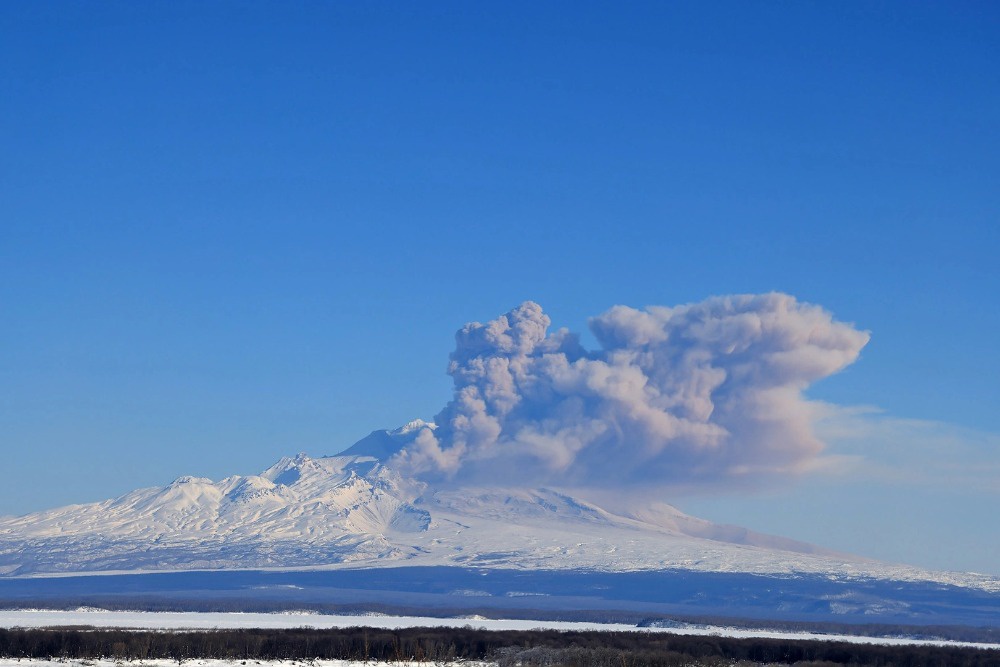
Nevados de Chillán volcanic complex remains at Yellow technical alert level in Chile. — Source: reliefweb
Public Safety Measures in Indonesia
Residents in coastal areas of Lampung and Banten provinces have been told to remain calm, ignore unverified tsunami rumors linked to the Anak Krakatau activity, and follow local BPBD directions while continuing normal activities [1]. Communities near Anak Krakatau, including visitors and climbers, are prohibited from entering the defined radii [1]. Official information on Anak Krakatau can be obtained from PVMBG/Badan Geologi at (022) 7272606 or the Krakatau observation post in Pasauran, Banten at (0254) 651449 or 085846324506 [1]. Authorities emphasize that residents should not easily believe unverified information about tsunamis and should adhere to local disaster management guidance [1].
Shiveluch Ash Emissions on Kamchatka
Shiveluch volcano on Russia's Kamchatka Peninsula produced two ash emissions on 16 October, the first reaching 9,000 meters and drifting north-northwest toward Tigilsky district settlements where minor ashfall is possible, followed by a 4,500-meter plume; no tourist groups are in the area and it carries an orange aviation color code [2]. According to data from the Main Directorate of the Ministry of Emergency Situations of Russia for the region, the early morning emission on 16 October reached up to 9,000 meters with the ash plume moving north-northwest [2]. A subsequent emission reached 4,500 meters according to the Kamchatka Volcanic Eruption Response Team [2]. Settlements in Tigilsky district may experience minor volcanic ash fallout, and no registered tourist groups are present near Shiveluch [2].
Nevados de Chillán Status in Chile
Chile's Nevados de Chillán volcanic complex maintains a Yellow technical alert according to OVDAS-SERNAGEOMIN, as detailed in the latest special volcanic activity report issued on 14 October [3]. The alert level remains in effect based on information from the Observatorio Volcánico de los Andes del Sur of the Servicio Nacional de Geología y Minería [3]. The update references the Special Report on Volcanic Activity issued on that date [3].
Official Monitoring and Contact Information
Official information on Anak Krakatau can be obtained from PVMBG/Badan Geologi at (022) 7272606 or the Krakatau observation post in Pasauran, Banten at (0254) 651449 or 085846324506 [1]. Shiveluch activity draws on data from the Kamchatka Volcanic Eruption Response Team of the Institute of Volcanology and Seismology [2]. Chile's Nevados de Chillán status comes from OVDAS-SERNAGEOMIN reports [3]. These agencies provide authoritative updates on the respective volcanic events.
What to watch next includes continued monitoring of ash emissions from Shiveluch on 16 October and the maintained Yellow alert at Nevados de Chillán per the 14 October report, alongside exclusion zone compliance around Anak Krakatau.