
Global Geopolitics Involves US Efforts for Iran Deal Amid Tensions
The US is pushing for a limited deal with Iran to prevent a global economic meltdown amid ongoing tensions.[3] In the broader geopolitics global landscape, these negotiations reflect scaled-back ambitions from comprehensive peace efforts, focusing instead on immediate issues to avert wider fallout.[3] Meanwhile, South Korea faces acute energy risks as it imports about 90 percent of its energy needs, with rising oil and gas prices tied to Middle East conflicts.[1] Israel, under Prime Minister Netanyahu—who seeks to prolong the war and remains outside US-Iran talks—has pursued new alliances like expanded trade and technology pacts with Panama amid mounting global criticism over Gaza.[2][3] Israel's war economy, reliant on US aid and European trade, shows signs of strain from shifting public opinion and pressure to reduce support.[4]
US and Iran Seek Limited Agreement
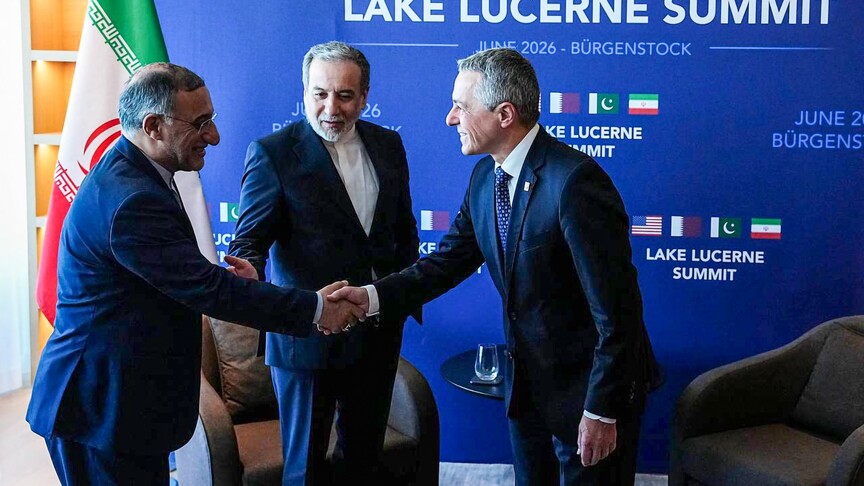
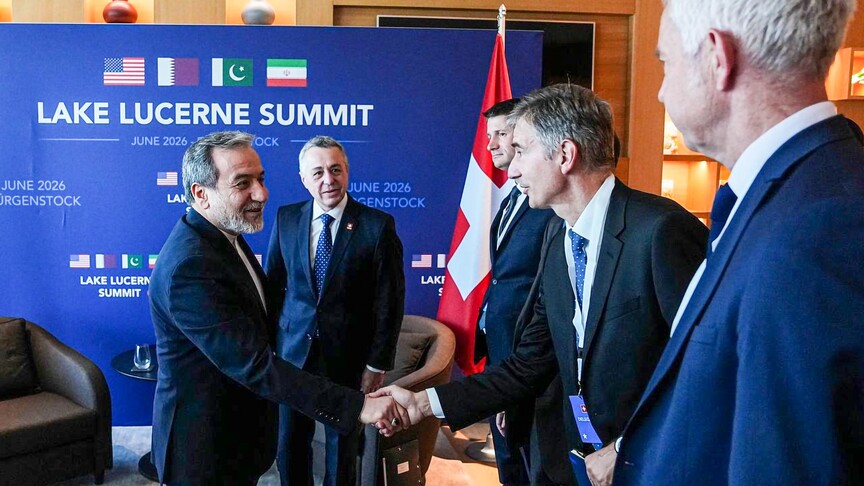
Washington and Tehran are negotiating a limited pact amid the standoff over what sources describe as a frozen Iran war, which risks triggering a global economic meltdown.[3] Rather than pursuing a comprehensive peace deal, the two sides have dialed back to address pressing concerns, postponing thornier issues for later.[3] This shift comes as the US, under incoming influences like Trump, prioritizes de-escalation to stabilize markets and prevent broader disruptions.[3]
Iran has indicated it is reviewing a US proposal aimed at ending the conflict, referred to in some reports as the US-Israel war on Iran, which has already sparked a global crisis.[5] The proposal's details remain under discussion, but the focus appears to be on immediate ceasefires or confidence-building measures rather than full resolutions.[5] Israel's priorities are notably sidelined in these efforts; Prime Minister Netanyahu is not directly involved and has shown eagerness to continue military operations, particularly against Hezbollah, which he would resist subjecting to any US-Iran arrangement.[3] This exclusion underscores the challenges in aligning regional actors, as Netanyahu's stance prioritizes sustained pressure on adversaries over diplomatic concessions.[3]
The push for a limited deal highlights the high stakes: failure could exacerbate tensions in key chokepoints like the Strait of Hormuz, amplifying energy market volatility worldwide.[1][3] US efforts thus represent a pragmatic response to interconnected threats, aiming to contain the conflict's ripple effects without overcommitting to long-term frameworks.[3][5]
Global Energy Vulnerabilities
Middle East conflicts are intensifying pressures on global energy supplies, with the Strait of Hormuz—a critical artery for oil and gas flows—facing disruptions linked to US and Iran involvement.[1] Oil and gas prices are climbing rapidly as a result, heightening risks for import-dependent economies.[1]
South Korea stands out as particularly vulnerable, importing roughly 90 percent of its energy requirements.[1] While not yet experiencing blackouts on the scale seen in nations like the Philippines or Vietnam, where power outages are emerging, Seoul's exposure remains a pressing concern.[1] The country's heavy reliance on seaborne shipments through contested waters amplifies the potential for shocks, as any prolonged closure of the Strait could cascade into supply shortages and inflated costs.[1]
These dynamics illustrate broader global energy vulnerabilities, where regional flare-ups in the Middle East reverberate through trade routes and markets.[1] For energy-poor Asia, the ongoing war's escalation serves as a stark reminder of supply chain fragilities, prompting discussions on diversification, though immediate options are limited.[1]
Israel's Efforts to Maintain Alliances
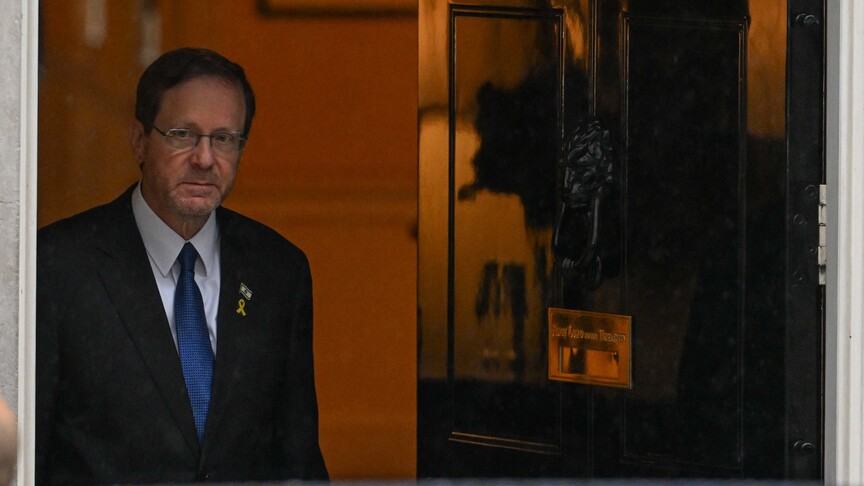
As global criticism mounts over its actions in Gaza—described in reports as genocide—Israel is actively working to shore up alliances through bilateral engagements.[2] President Herzog recently concluded a visit to Panama, securing expanded trade and technology agreements that aim to preserve and strengthen ties amid diplomatic headwinds.[2]
These pacts focus on economic and tech cooperation, providing Israel with new outlets as traditional partners reassess relationships.[2] The timing is notable, coinciding with heightened international scrutiny, yet Panama's willingness to deepen collaboration signals pockets of support in Latin America.[2] Herzog's trip underscores Israel's strategy of bilateral diplomacy to counter isolation, leveraging sectors like technology where it holds competitive edges.[2]
This approach comes as Netanyahu pushes to extend military operations, separate from US-Iran talks, highlighting a divergence between Israel's security priorities and global diplomatic currents.[3] By forging these alliances, Israel seeks to mitigate the fallout from Gaza-related backlash, maintaining economic lifelines in a challenging environment.[2]
Strains on Israel's Economy
Israel's war economy faces mounting pressures from growing global isolation, testing its dependence on external support.[4] Heavily reliant on US aid, European trade, and lobbying networks, the country is grappling with shifts in public opinion that fuel calls to curtail assistance.[4]
Protests, such as those outside a BAE Systems facility in England demanding a British arms embargo, exemplify the mounting pressure in Europe.[4] In the US, similar dynamics are emerging, with advocacy groups pushing for reduced backing amid evolving sentiments.[4] These trends strain Israel's fiscal position, as sustained conflict demands high defense spending while export markets and investor confidence waver.[4]
The question of sustainability looms large: can this model endure as allies face domestic reckonings?[4] Public opinion shifts, documented as early as October 2025, signal a potential tipping point, where economic interdependence clashes with political pressures.[4] Israel's war economy thus navigates a precarious balance, buoyed by core partners but vulnerable to broader geopolitical realignments.[4]
Broader Implications of Ongoing Conflicts
The interplay of US-Iran negotiations, energy shocks, and Israel's diplomatic maneuvers reveals deep interconnections in global geopolitics.[1][2][3] Disruptions at the Strait of Hormuz not only spike prices but amplify vulnerabilities for nations like South Korea, underscoring how Middle East tensions ripple across Asia and beyond.[1]
Israel's push for alliances like those with Panama occurs against a backdrop of isolation, compounded by Netanyahu's war prolongation outside US-led talks.[2][3] This divergence risks further sidelining Israeli priorities, as Washington prioritizes economic stability over escalation.[3] Meanwhile, Iran's review of US proposals to end the crisis-linked war could either de-escalate or prolong uncertainties.[5]
Economic strains on Israel, driven by aid dependencies and opinion shifts in the US and Europe, highlight the costs of prolonged conflict.[4] Collectively, these developments threaten a global economic meltdown if unaddressed, intertwining regional wars with worldwide markets and alliances.[3][1][4]
What to watch next: Monitor Iran's response to the US proposal, potential Strait of Hormuz escalations affecting energy prices, and shifts in US-European support for Israel amid ongoing protests and opinion changes.[1][3][4][5]