
Global geopolitics disrupted as no ships traverse Strait of Hormuz amid US-Iran clashes
Ships in the Strait of Hormuz are stranded and no vessels have passed through in the last 48 hours due to US-Iran clashes, disrupting a critical global energy transit corridor.[3] This unprecedented halt in maritime traffic underscores the fragility of global geopolitics, where tensions between major powers can swiftly choke off vital pathways for international trade and energy supplies.[2][3]
Disruptions in the Strait of Hormuz
The Strait of Hormuz, a narrow chokepoint through which roughly one-fifth of the world's oil passes, has ground to a complete standstill, with no ships traversing the waterway in the past 48 hours.[3] This disruption stems directly from escalating US-Iran clashes that have raised profound security risks in the region.[3] Reports indicate that ships remain stranded amid these tensions, creating a backlog that threatens global energy markets and supply chains.[2]
Iran has effectively seized control of this critical waterway for global energy following attacks attributed to the United States and Israel on February 28, according to accounts from the scene.[2] The dearth of passages highlights the immediate impact of these hostilities, as commercial vessels and tankers alike have been forced to halt operations, unable to proceed due to the heightened dangers.[2][3] This situation not only isolates the stranded ships but also amplifies concerns over potential long-term blockades or further military engagements in one of the world's most strategically vital sea lanes.[3] The combination of naval posturing and direct confrontations has transformed the strait from a bustling artery of commerce into a zone of enforced idleness, compelling shipping companies worldwide to reroute or delay cargoes at significant cost.[2]
ASEAN Responses to Global Volatility
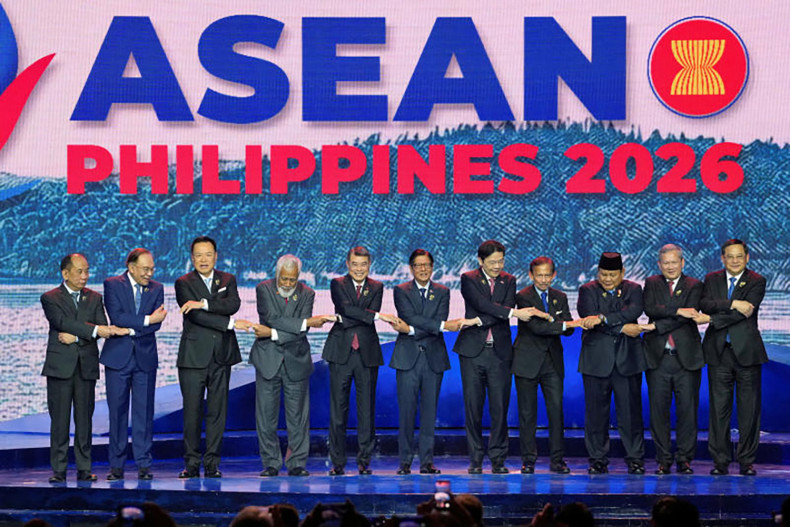
In response to the mounting global volatility exemplified by events in the Strait of Hormuz, ASEAN leaders are issuing strong calls for unity to confront these international challenges.[1] Thailand's Anutin has urged ASEAN unity as regional heads of state address the broader instability affecting trade routes and security.[1] Similarly, Indonesian President Prabowo Subianto has emphasized the need for a unified ASEAN stance in upholding international law, stressing that the bloc must speak with one voice to convey its collective position on global issues.[4]
These pronouncements come at a time when Southeast Asian nations are navigating the ripple effects of distant conflicts, including disruptions to energy supplies that could impact their economies.[1][4] Anutin's call reflects a broader sentiment among ASEAN leaders to foster solidarity in the face of unpredictable international developments, ensuring that the region maintains a cohesive approach to diplomacy and law.[1] President Prabowo's remarks further reinforce this, positioning ASEAN as a stabilizing force capable of advocating for adherence to established norms amid chaos elsewhere.[4] By highlighting unity, these leaders aim to bolster the bloc's influence in multilateral forums, where coordinated action could mitigate the fallout from volatility in key global passages like the Strait of Hormuz.[1][4]
Recent Maritime Dispute Resolution
A Hong Kong-based mediation body has achieved a notable success by resolving an international maritime dispute this month, offering a model for addressing similar conflicts amid rising tensions.[5] The International Organisation for Mediation (IOMed), headquartered in Hong Kong, facilitated the settlement between parties from mainland China and Singapore, demonstrating the efficacy of neutral arbitration in contentious waterway issues.[5]
Teresa Cheng Yeuk-wah, secretary general of IOMed, revealed this accomplishment on Friday at a summit, where senior officials reaffirmed Hong Kong's commitment to serving as a premier mediation center.[5] Launched just last year, the organization has seen an influx of additional states joining its ranks, a development attributed to the growing need for impartial mechanisms in an era of increasing global volatility.[5] This resolution not only de-escalated a specific dispute but also underscores the potential for diplomatic interventions to prevent escalations that could mirror the current impasse in the Strait of Hormuz.[5] The summit's discussions highlighted how such bodies can provide swift, binding outcomes, contrasting with the protracted standoffs seen in other hotspots.[5]
Broader Implications of Global Geopolitics
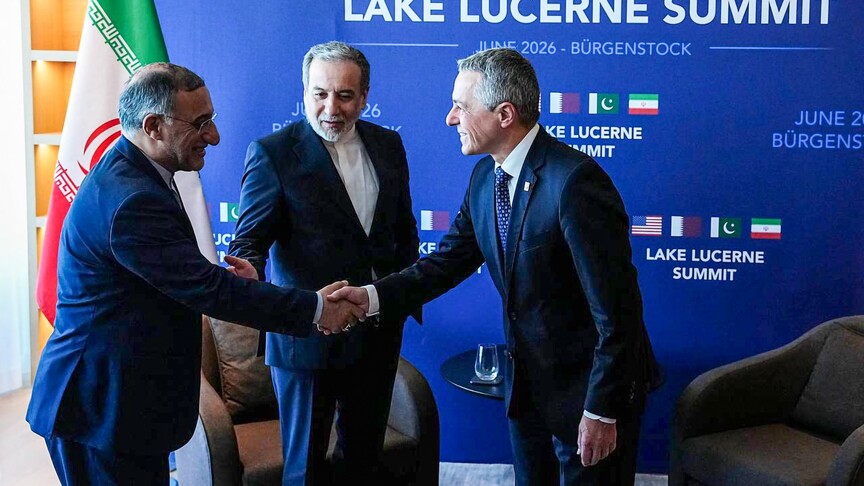
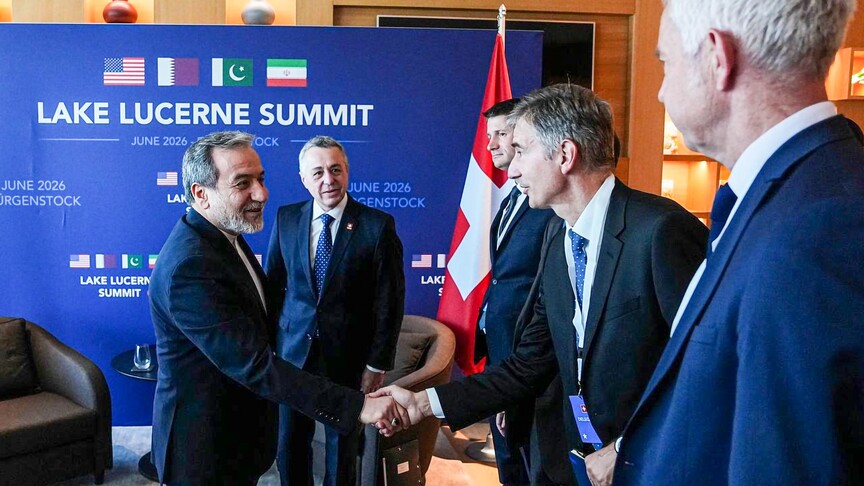
The standoff in the Strait of Hormuz, coupled with diplomatic overtures from ASEAN and successful mediations elsewhere, illustrates the intricate web of global geopolitics where localized clashes reverberate worldwide.[1][2][3] Iran's seizure of the waterway following US and Israeli actions on February 28 has not only stranded vessels but also intensified hopes—and uncertainties—surrounding potential US-Iran deals to restore passage.[2] This event, marked by a 48-hour absence of traffic, exemplifies how security risks from mutual accusations can paralyze essential energy corridors.[3]
ASEAN's push for unity, as voiced by leaders like Anutin and President Prabowo, reflects a regional strategy to counter these disruptions through collective adherence to international law.[1][4] Meanwhile, the Hong Kong mediation body's triumph in resolving the China-Singapore dispute signals a growing reliance on specialized organizations, with more states joining IOMed since its inception amid volatile conditions.[5] These developments collectively point to a world where mediation efforts are being reaffirmed and expanded, even as accusations between Iran and the US over vessel and naval attacks escalate risks in critical zones.[3] The interplay of these factors—halted shipping, regional solidarity calls, and diplomatic successes—highlights the ongoing tension between confrontation and resolution in shaping global stability.[1][2][3][4][5]
Accusations and Security Risks
Amid the paralysis in the Strait of Hormuz, Iran and the United States are trading sharp accusations over attacks on vessels and naval assets, further heightening security risks in this key global energy transit corridor.[3] These exchanges have directly contributed to the 48-hour dearth of ship passages, as mutual blame creates an environment of distrust and military readiness.[3]
The tit-for-tat rhetoric underscores the precarious balance in the region, where each side attributes aggressive actions to the other, including strikes on maritime infrastructure and assets vital to international navigation.[3] This escalation not only justifies Iran's effective control of the strait in response to perceived provocations but also amplifies fears of broader conflict that could prolong the stranding of ships and disrupt global supplies.[2][3] The security implications extend beyond immediate blockages, fostering a climate where routine transits become untenable without de-escalation.[3]
What to watch next: Observers will monitor potential US-Iran negotiations for restoring Hormuz traffic,[2] alongside ASEAN's unified diplomatic efforts[1][4] and the expansion of mediation bodies like IOMed amid ongoing volatility.[5]