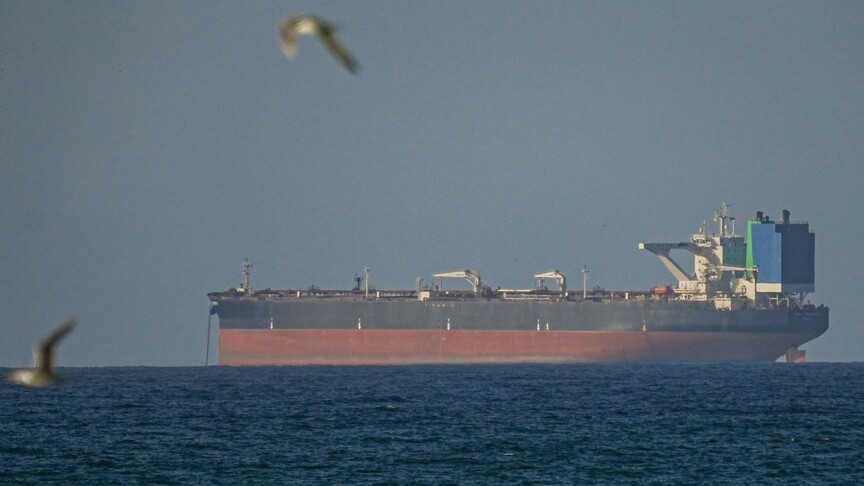

Global geopolitics disrupted as no ships pass through Strait of Hormuz in 48 hours amid US-Iran tensions
Ships in the Strait of Hormuz are stranded with no passages in the last 48 hours due to US-Iran clashes, disrupting a key global energy transit corridor.[3] This unprecedented halt in maritime traffic underscores the fragility of geopolitics global pathways, as tensions between the United States and Iran escalate, raising security risks for one of the world's most vital chokepoints for oil and gas shipments.[3] Amid these developments, ASEAN leaders including Anutin and Prabowo Subianto are calling for unity to address global volatility and uphold international law,[1][4] while Iran and the US exchange accusations over attacks on vessels and naval assets.[3] The situation follows a US and Israeli attack on the strait on 28 February, after which Iran effectively seized control of the waterway.[2]
Strait of Hormuz Disruptions
The Strait of Hormuz, a narrow waterway connecting the Persian Gulf to the Gulf of Oman, has seen a complete cessation of ship passages over the past 48 hours, leaving numerous vessels stranded and heightening concerns over global energy supplies.[3] This dearth of traffic stems directly from ongoing US-Iran clashes that have dramatically raised security risks in the area, described as a key global energy transit corridor.[3] Reports indicate that no ships have navigated the strait during this period, a stark disruption that amplifies the strategic importance of the location, through which a significant portion of the world's oil transits.[3]
Compounding the issue, ships remain stranded amid faint hopes for a US-Iran deal to de-escalate the standoff.[2] The current impasse reflects the immediate fallout from military confrontations, with naval assets and commercial vessels caught in the crossfire of heightened hostilities.[3] This standstill not only idles shipping operations but also signals broader vulnerabilities in international maritime routes, where even brief interruptions can cascade into supply chain delays and price fluctuations for energy markets worldwide.[2][3] The stranded vessels represent a tangible manifestation of how bilateral tensions can paralyze critical infrastructure, forcing rerouting considerations and insurance reassessments for operators dependent on this corridor.[3]
ASEAN Responses to Global Volatility
In response to the widening ripples of geopolitics global instability, ASEAN leaders have issued strong calls for regional unity. Anutin, a prominent figure among ASEAN leaders, has urged the bloc to stand together as it confronts escalating global volatility, emphasizing collective action in the face of international uncertainties.[1] This appeal aligns with broader sentiments from the region, where leaders view unity as essential to navigating turbulent times marked by conflicts and disruptions far beyond Southeast Asia.
Similarly, President Prabowo Subianto of Indonesia has called for a unified ASEAN stance in upholding international law, stressing that the organization must speak with one voice to convey its collective position on global affairs.[4] Prabowo's remarks highlight ASEAN's intent to project a cohesive front amid diverse challenges, including maritime tensions and violations of established norms.[4] These pronouncements from Anutin and Prabowo underscore a strategic pivot toward solidarity, positioning ASEAN as a stabilizing force in an era of heightened geopolitical friction.[1][4] By advocating for unity, these leaders aim to safeguard regional interests while contributing to dialogues that promote adherence to international frameworks, even as distant events like those in the Strait of Hormuz test global resolve.[1][4]
Background of US-Iran Clashes
The current disruptions in the Strait of Hormuz trace back to a sequence of escalatory events between the United States, Israel, and Iran. On 28 February, the US and Israel launched attacks on the strait, prompting Iran to effectively seize control of the critical waterway.[2] This move by Iran came as a direct countermeasure, consolidating its grip on the passage amid the ensuing chaos.[2]
Parallel to these actions, Iran and the US have been trading accusations over attacks targeting vessels and naval assets within the strait.[3] These mutual recriminations have fueled the clashes, transforming the area into a hotspot of military posturing and retaliatory measures.[3] The 28 February incident marks a pivotal escalation, shifting dynamics in the strait from routine patrols to outright control assertions by Iran following the initial strikes.[2] Such exchanges of blame illustrate the deep-seated rivalries at play, where each side attributes aggression to the other, complicating de-escalation efforts and perpetuating the security risks that have now halted all traffic.[2][3]
Recent Maritime Dispute Resolution Efforts
Amid rising global tensions, a positive development has emerged in the realm of international mediation. A Hong Kong-based intergovernmental mediation body, the International Organisation for Mediation (IOMed), has successfully resolved a maritime dispute between parties from mainland China and Singapore this month.[5] This achievement was revealed by Teresa Cheng Yeuk-wah, the secretary general of IOMed, during a summit on Friday, where she highlighted the organization's growing role.[5]
Launched last year, IOMed has seen more states join its ranks, bolstering its capacity to address disputes as global volatility intensifies.[5] Senior officials at the summit reaffirmed Hong Kong's commitment to serving as a mediation center, positioning the city as a hub for peaceful resolutions in maritime matters.[5] The resolution of the China-Singapore dispute exemplifies how specialized bodies can facilitate outcomes without resorting to confrontation, offering a model for managing similar conflicts elsewhere.[5] By intervening effectively, IOMed demonstrates the viability of diplomacy in contentious waters, even as broader flashpoints like the Strait of Hormuz persist.[5]
Implications for Global Geopolitics
These converging events—from the Strait of Hormuz standstill to ASEAN's unity calls and a mediated maritime success—paint a picture of heightened volatility in geopolitics global arenas.[1][4][5] The US-Iran clashes, with their direct impact on energy transit, reveal how flashpoints can swiftly disrupt interconnected supply chains, prompting regional powers like ASEAN to advocate for collective responses grounded in international law.[1][4] Anutin's push for unity and Prabowo's emphasis on a singular ASEAN voice reflect a broader strategy to counter such instabilities through multilateralism.[1][4]
The Hong Kong mediation body's success further illustrates ongoing efforts to mitigate tensions via non-confrontational means, as more nations engage with platforms like IOMed amid increasing disputes.[5] Collectively, these instances highlight patterns where accusations and seizures in key waterways coexist with diplomatic breakthroughs, underscoring the precarious balance in international relations.[2][3][5] For global stakeholders, the Hormuz disruptions serve as a stark reminder of chokepoint vulnerabilities, while ASEAN's proactive stance and mediation wins suggest pathways toward resilience.[1][4][5]
What to watch next: Hopes persist for a US-Iran deal to ease the Hormuz standoff and resume ship passages,[2] alongside ASEAN's push for unified action on international law[1][4] and expanding mediation efforts through bodies like IOMed.[5]