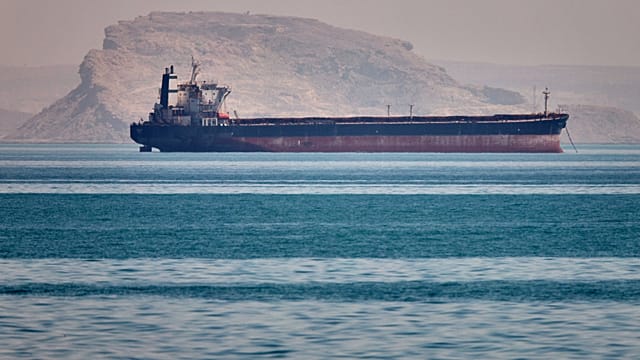

Global Geopolitics Sees Strait of Hormuz Stalled by US-Iran Clashes
Ships remain stranded in the Strait of Hormuz due to US-Iran clashes, disrupting a key global energy transit corridor and underscoring the volatility in geopolitics global as tensions escalate between major powers.[3]
Current Disruptions in the Strait of Hormuz
The Strait of Hormuz, a vital artery for global energy shipments, has seen a complete halt in maritime traffic over the past 48 hours, leaving numerous vessels stranded amid escalating security risks stemming from US-Iran clashes.[3] Reports indicate that no ships have passed through this critical waterway during this period, a development directly linked to accusations traded between Iran and the United States over attacks on vessels and naval assets within the corridor.[3] This standstill has heightened concerns about the reliability of one of the world's most important energy transit routes, where disruptions can ripple through global supply chains.[2][3]
The situation reflects a broader standoff, with ships remaining immobilized as hopes linger for a potential US-Iran deal to ease the impasse.[2] The dearth of passages underscores the immediate perils posed by the ongoing confrontations, transforming the strait into a flashpoint that threatens not only regional stability but also international commerce dependent on uninterrupted oil flows.[3] Security risks have surged due to the clashes, prompting shipping operators to avoid the area entirely, which has stranded vessels and amplified the economic pressures on energy-dependent economies worldwide.[2][3]
ASEAN Leaders' Responses to Global Volatility
ASEAN leaders, including Thailand's Anutin and Indonesia's President Prabowo Subianto, have issued strong calls for regional unity in confronting global volatility and upholding international law.[1][4] Anutin has urged ASEAN nations to band together as they face the challenges of an increasingly unstable world, emphasizing collective action to navigate these turbulent times.[1] Similarly, Prabowo Subianto has stressed that ASEAN must adopt a unified stance to effectively convey its position on global issues, particularly in maintaining adherence to international legal frameworks.[4]
These pronouncements come at a moment when geopolitical pressures are testing regional cohesion, with leaders advocating for solidarity to address broader instability.[1][4] Anutin's call highlights the need for ASEAN to present a united front amid external volatilities that could impact Southeast Asia's economic and security interests.[1] Prabowo's emphasis on unity in upholding international law serves as a reminder of the bloc's role in promoting stability through diplomatic means, even as distant conflicts like those in the Middle East reverberate globally.[4] Together, these voices from ASEAN leadership signal a proactive approach to mitigating the effects of worldwide disruptions on the region.
Background on US-Iran Clashes
The current impasse in the Strait of Hormuz traces back to heightened US-Iran tensions, marked by mutual accusations over attacks in the key global energy transit corridor.[3] Iran has effectively seized control of the strait following strikes by the United States and Israel on February 28, a move that has paralyzed shipping and intensified the standoff.[2] These events have led to a scenario where Iran and the US are exchanging blame for assaults on vessels and naval assets, escalating risks and halting all traffic through the waterway.[3]
The clashes have roots in a cycle of retaliatory actions, with the US and Israel targeting Iranian positions, prompting Tehran's assertion of dominance over the strait.[2] This seizure has stranded ships and disrupted the flow of energy resources, positioning the corridor as a central battleground in the broader US-Iran rivalry.[2][3] Accusations continue to fly between the two nations, focusing on responsibility for the attacks that have compromised safety in this indispensable passage for global oil trade.[3] The February 28 incidents mark a pivotal escalation, transforming diplomatic frictions into tangible blockades that affect international maritime norms.[2]
Recent Developments in International Maritime Disputes
In a contrasting note amid rising global tensions, a Hong Kong-based mediation body has successfully resolved an international maritime dispute involving parties from mainland China and Singapore.[5] The International Organisation for Mediation (IOMed), headquartered in Hong Kong, achieved this breakthrough this month, demonstrating the potential of neutral arbitration in de-escalating conflicts at sea.[5] Teresa Cheng Yeuk-wah, secretary general of IOMed, announced the resolution at a summit on Friday, where senior officials reaffirmed Hong Kong's commitment to serving as a global mediation center.[5]
This success story highlights the organization's growing influence since its launch last year, with more states joining to leverage its services amid increasing volatility in international relations.[5] The dispute's resolution between mainland China and Singapore parties illustrates effective diplomacy in managing maritime disagreements, offering a model for addressing similar issues elsewhere.[5] At the summit, discussions underscored Hong Kong's strategic role in fostering peaceful outcomes through mediation, particularly as maritime flashpoints multiply worldwide.[5]
Implications for Global Geopolitics
The stalled Strait of Hormuz amid US-Iran clashes exemplifies the fragility of geopolitics global, where disruptions in a single corridor can cascade into widespread economic and strategic challenges.[2][3] ASEAN leaders' calls for unity, as voiced by Anutin and Prabowo Subianto, reflect a broader recognition of how such volatilities demand collective responses to safeguard international law and regional interests.[1][4] The effective seizure of the strait by Iran post-February 28 attacks by the US and Israel has not only stranded ships but also intensified accusations, raising the stakes for energy security worldwide.[2][3]
These developments underscore ongoing tensions in international relations, with the Hormuz blockade serving as a stark reminder of the interplay between military actions and global trade routes.[2][3] Meanwhile, the Hong Kong mediation body's resolution of the China-Singapore dispute points to viable pathways for de-escalation, even as volatility persists.[5] Hopes for a US-Iran deal linger against this backdrop, yet the trading of blame over vessel and naval attacks signals prolonged uncertainty in this vital energy transit zone.[2][3] ASEAN's push for unity further illustrates how regional blocs are positioning themselves to counterbalance major power rivalries, promoting adherence to legal norms in an era of heightened risks.[1][4] The convergence of these events highlights the interconnected nature of modern geopolitics global, where maritime disputes and energy chokepoints can reshape alliances and economies.[5]
What to watch next: Monitor potential progress on a US-Iran deal to reopen the Strait of Hormuz, alongside ASEAN's efforts to solidify unity on international law and further successes from mediation bodies like IOMed in resolving maritime tensions.[2][1][4][5]