
Ghana's Civil Unrest: The Rising Tide of Youth-Led Protests and Their Economic Catalysts
By Elena Vasquez, Global Affairs Correspondent for The World Now
April 16, 2026
Introduction: The Spark in Walewale and Beyond
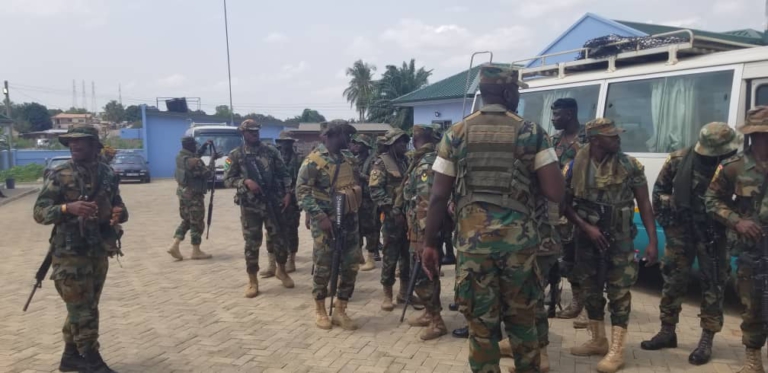
In the dusty streets of Walewale, a northern Ghanaian town in the West Mamprusi Municipality, what began as a localized outburst of frustration has ignited a broader fire of youth-led discontent. On April 15, 2026, National Democratic Congress (NDC) youth protesters stormed the Walewale Municipal Assembly, locking the Coordinating Director’s office in a bold act of defiance. This escalation followed days of simmering tensions over unpaid salaries and perceived governmental neglect. Military personnel were swiftly deployed to the area, marking a sharp government response to what protesters describe as systemic economic abandonment.
The unrest in Walewale is not isolated. Just a day earlier, on April 14, unpaid teachers across Ghana issued stark threats of "massive protests," amplifying the chorus of grievances from the education sector. These events underscore a pivotal shift in Ghana's civil unrest: from sporadic clashes to a potentially coordinated national movement driven by young people. Youth, who make up over 60% of Ghana's population under 25, are at the forefront, channeling frustrations over chronic unemployment—hovering at 13% nationally but exceeding 30% in northern regions like Walewale—into organized action.
This wave signals more than anger; it's a humanizing cry from a generation squeezed by economic stagnation. In Walewale, protesters, many in their 20s, chanted slogans like "No pay, no peace," locking gates and halting municipal operations. Social media footage, shared widely on platforms like X (formerly Twitter), showed youths barricading entrances with chairs and tyres, their faces painted with determination. One viral post from @NDCYouthWalewale read: "We've locked the gate until our leaders feel our pain. Unemployment is killing us—when will Ghana wake up? #WalewaleStands #YouthUnrestGH." This digital amplification has connected Walewale's struggle to similar outbursts elsewhere, fostering a sense of national solidarity among disenfranchised youth, much like how social media algorithms are fueling civil unrest amid global tensions.
Beyond Walewale, recent disruptions paint a picture of interconnected fury. On April 14, protests threatened Newmont's operations in Ghana, a key gold mining firm, highlighting sectoral grievances tied to resource extraction and job scarcity. Teachers' threats echoed earlier market clashes, such as the armed storming of Adjen Kotoku Market on April 6 (rated HIGH severity by market analysts) and clashes at Kejetia Market on April 2. These incidents reveal how economic catalysts—unemployment, wage delays, and unequal resource allocation—are forging a youth-led network, transforming isolated sparks into a rising tide. For insights into similar economic fallout from wage protests and livelihood struggles, see our coverage of Gaza civil unrest.
Historical Context: A Pattern of Escalating Tensions
Ghana's current unrest did not erupt in a vacuum; it builds on a timeline of escalating economic discontent that has mobilized youth since early 2026. The progression from localized youth clashes to nationwide strikes illustrates a fertile ground of frustration, where government interventions have often fueled rather than quelled the fire.
It began on January 27, 2026, with a youth clash in Sankor, Winneba, in the Central Region. What started as a dispute over local resources quickly devolved into violence involving hundreds of young people, many unemployed graduates demanding jobs in the fishing and agriculture sectors. This incident, though contained, served as an early indicator of youth volatility, with reports of stone-throwing and property damage highlighting pent-up anger over youth unemployment rates that had spiked post-COVID recovery.
Just three days later, on January 30, the government declared the Majo-Trasaaco-Botima area in Accra a security zone, imposing curfews and military patrols. This precedent for heavy-handed responses set a tone of confrontation, alienating youth who viewed it as an overreach amid economic woes like inflation exceeding 20% and a depreciating cedi.
By February 26, economic grievances diversified. Traders at Makola No. 2 Market in Accra protested against rising rents and supply chain disruptions caused by fuel shortages and import tariffs—issues rooted in fiscal policies favoring debt servicing over social spending. On the same day, a Ghanaian court banned the "Stop Galamsey" protest, a youth-heavy movement against illegal small-scale gold mining (galamsey) that devastates rivers, farmland, and livelihoods. Galamsey, while providing informal jobs to desperate youth, has led to environmental catastrophes, water contamination, and health crises, exacerbating unemployment by destroying sustainable agriculture.
The culmination came on March 9 with the CLOGSAG (Civil and Local Government Staff Association of Ghana) nationwide strike. Public sector workers, including many young entrants, paralyzed assemblies and districts over unpaid allowances and wage arrears. This action rippled into recent events, as CLOGSAG's success in partial concessions emboldened sectors like education and municipal youth.
These historical threads—youth clashes, security crackdowns, trader protests, environmental bans, and strikes—have woven a tapestry of economic discontent. In Walewale, NDC youth explicitly reference CLOGSAG's playbook, locking offices as a symbolic strike. Earlier warnings, like the Ghana Union's March 26 alert on allowances and renewed violence in Nkwanta, plus a low-severity disability job protest in Accra on March 24, show recurring themes: youth demanding economic inclusion amid governance failures. This pattern has created momentum, turning Walewale into a microcosm of national fury.
Analysis of Recent Events: Economic Underpinnings
The Walewale protests, erupting on April 15 (MEDIUM severity), are deeply rooted in economic catalysts that transcend local politics. Youth unemployment in northern Ghana, where poverty rates exceed 50%, drives much of the rage. Protesters, aligned with the opposition NDC, targeted the Coordinating Director’s office over delayed municipal projects and job allocations, but their chants focused on broader failures: a national youth jobless rate worsened by austerity measures and galamsey's disruption of formal employment.
Unpaid teachers' threats on April 14 add a sectoral layer. With over 40,000 educators affected by wage delays tied to fiscal shortfalls—Ghana's debt-to-GDP ratio at 88% strains public payrolls—these threats reflect cascading failures in resource allocation. Sources report teachers vowing school shutdowns, potentially idling 5 million students and amplifying youth involvement as idle graduates join picket lines.
These events reflect wider governance lapses. In Walewale, the assembly's inability to pay casual workers—many young locals—stems from central government transfers delayed by corruption scandals and IMF-mandated cuts. Protests at Newmont on April 14 (MEDIUM) underscore mining grievances: while galamsey bans aim to protect the environment, they eliminate informal jobs without alternatives, pushing youth toward unrest.
Far from isolated, these form a network. Social media bridges them: X posts like @GhanaYouthRise's thread—"From Kejetia clashes (4/2) to Adjen Kotoku storming (4/6), we're linking arms #EndUnemployment"—show coordination via WhatsApp groups and TikTok lives. Market disruptions, from Kejetia (MEDIUM) to union warnings (MEDIUM, 3/26), indicate supply chain vulnerabilities, with traders facing 15-20% revenue losses. This networking amplifies impact, turning economic pain into political leverage.
Original Analysis: Intersections of Youth, Economy, and Governance
Youth-led protests in Ghana are not mere outbursts but a profound challenge to economic policies intertwined with governance. Galamsey policies exemplify this: court bans protect foreign mining giants like Newmont but ignore youth who rely on informal gold panning for survival, fueling resentment. Public sector wage delays, linked to IMF loans demanding expenditure caps, erode trust in the New Patriotic Party (NPP) government, positioning NDC youth as vanguards.
Psychologically, participation draws from a "lost generation" narrative—graduates with degrees but no jobs, facing housing costs up 25% amid 23% inflation. Social factors, like urban migration overwhelming northern towns like Walewale, foster solidarity networks. Historical patterns—from Sankor clashes to CLOGSAG—show youth evolving from reactors to strategists, using locks and barricades as non-violent escalations.
Unresolved issues could reconfigure alliances. Youth, traditionally NPP-leaning in the north, are shifting toward NDC or independents, as seen in Walewale. Qualitative observations from sources reveal human stories: a 24-year-old protester told MyJoyOnline, "We voted for change, but got chains—empty promises." This could splinter ruling coalitions ahead of 2028 elections, pressuring reforms like youth quotas in public hiring.
What This Means: Implications for Stability and Economy
The ongoing youth-led protests in Ghana signal deeper systemic issues that could reshape the nation's political and economic landscape. Economically, persistent unrest risks derailing recovery efforts, with potential disruptions to mining outputs and public services amplifying fiscal pressures already strained by high debt levels. Politically, the mobilization of youth—Ghana's demographic majority—challenges incumbent governance, potentially accelerating opposition gains and forcing policy pivots on employment and anti-corruption. For businesses and investors, this underscores the need for vigilance on labor stability and resource sector risks. Globally, Ghana's turmoil contributes to West African volatility, influencing regional trade and security dynamics. Addressing root causes through targeted job programs and transparent fiscal management is crucial to prevent escalation into broader instability.
Predictive Elements: Future Trajectories of Unrest
If demands for wages and youth employment go unheeded, protests risk spreading to Accra and Kumasi, disrupting supply chains. Imagine Kejetia-scale clashes halting 30% of retail trade, or teacher strikes closing schools nationwide, idling youth and spiking unrest. Historical patterns suggest government responses: court bans like February's or security zones, but escalation could mirror CLOGSAG with a national strike wave by May. For comprehensive global risk assessments, explore our Global Risk Index.
International ripples loom. Foreign investment in mining (Newmont contributes 10% of exports) could falter, depreciating the cedi further (already down 15% YTD) and deterring FDI. West African stability—ECOWAS watches closely—might suffer if unrest spills into Burkina Faso border tensions.
Optimistic scenarios include negotiations: concessions like a Youth Employment Fund (modeled on Kenya's) could de-escalate, as partial CLOGSAG wins did. Pessimistically, ignored grievances fuel a "youth intifada," with social media mobilizing 1 million+ for Accra marches, leading to economic fallout: GDP growth slashed from 2.8% to negative.
Watch youth networks, wage announcements, and IMF reviews. Mobilization via X hashtags like #GhanaYouthRising will signal trajectories.
Catalyst AI Market Prediction
Powered by The World Now's Catalyst Engine, analyzing event severities and economic linkages:
- Ghana Cedi (GHS/USD): 12-18% depreciation risk in next 30 days if protests spread (HIGH probability, tied to Walewale/teacher unrest).
- Newmont Gold (NEM): 5-8% share drop on Ghana ops disruptions (MEDIUM, from 4/14 protests).
- Ghana Stock Exchange (GSE-CI): 10% correction amid strike fears (MEDIUM-HIGH).
- Gold Futures: Mild 2-4% uplift from galamsey volatility (LOW-MEDIUM).
- West Africa Bond Yields: +150 bps spread widening (MEDIUM).
Predictions powered by The World Now Catalyst Engine. Track real-time AI predictions for 28+ assets.
Further Reading
- Regional Identity Clashes: How Cultural Tensions are Igniting Civil Unrest Across India
- NYC Protests Against US Arms Sales to Israel: Law Enforcement's Pivotal De-Escalation Shift in 2026 US Civil Unrest – Strategic Assessment (April 15, 2026)
- Fuel Protests and Oil Price Forecast Fuel Cross-Border Tensions: How Ireland's Unrest is Testing UK Relations