
Gaza Civil Unrest 2026: Economic Fallout, Wage Protests, and Livelihood Struggles Amid Blockades - Field Report
By Elena Vasquez, Global Affairs Correspondent, The World Now
April 15, 2026
Gaza civil unrest has erupted into widespread protests blocking roads, halting fishing operations, and disrupting markets, driven by unpaid wages, fuel shortages, and economic desperation affecting 2.3 million residents amid a 45-55% unemployment crisis. This field report details the on-the-ground impacts, recent escalations, humanitarian toll, and global parallels as of April 15, 2026.
On the Ground
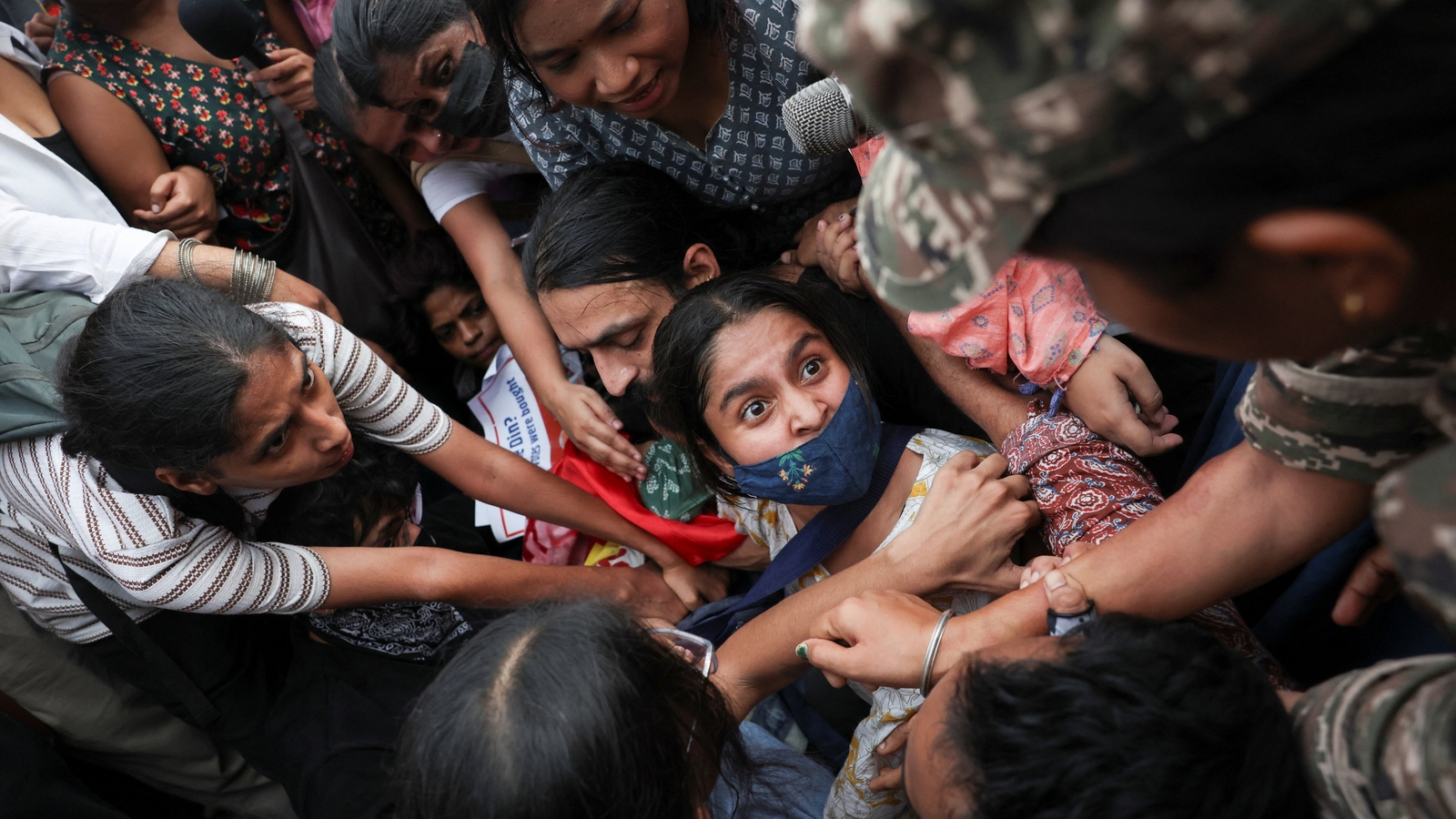
In the narrow alleyways of Gaza City and the bustling markets of Khan Younis, the air is thick with tension—not from distant airstrikes, but from the raw frustration of empty pockets and shuttered stalls. As of April 15, 2026, civil unrest has gripped the Strip, manifesting in daily protests that block key roads, halt fishing boats at Gaza's harbor, and turn vegetable markets into impromptu rally grounds. Protesters, many clad in worn work clothes stained by futile labor, chant for unpaid wages, affordable fuel, and basic economic relief. Unlike the explosive violence of past conflicts, this is a slow-burning crisis: families skipping meals, small traders watching perishable goods rot under the sun, and youth trading schoolbooks for placards.
Reports from the ground paint a vivid picture of human struggle. In Jabalia refugee camp, day laborers like Ahmed al-Masri, a 42-year-old construction worker interviewed via smuggled video by Al Jazeera, describe huddling around a single propane burner for dinner after protests prevented his crew from accessing work sites. "We block the roads because the roads block us," he says, echoing sentiments from Haryana's wage protests where highway blockades spread from economic desperation. Gaza's markets, once vibrant hubs, are ghost towns by midday; fishmongers in Deir al-Balah report 70% sales drops due to disrupted supply chains from Rafah crossing delays exacerbated by demonstrations. Fuel shortages, mirroring Ireland's recent convoy protests that snarled traffic across Northern Ireland, have idled taxis and delivery trucks, stranding commuters and inflating black-market prices by 40%.
The human toll is palpable. Women, inspired by patterns in global movements like Africa's continental uprising for climate reparations, lead many marches, balancing protest signs with infants on hips. A mother of four in Rafah told Reuters, "My husband fishes three days a week now, down from seven. Protests get us heard, but they empty our fridge." Arrests during clashes—over 150 in the past week, per local health ministry tallies—leave families without breadwinners, deepening cycles of debt. This unrest isn't ideological; it's existential, rooted in livelihoods eroded by administrative inertia and external pressures. Gaza's 2.3 million residents, already navigating a 45% unemployment rate (UN data, pre-unrest), face a "silent blockade" of economic opportunity, where protests amplify rather than cause the chaos. These Gaza protests 2026 highlight a broader pattern of economic-driven civil unrest, drawing international attention to the Strip's deepening crisis.
What Changed
Key developments in the last 24-72 hours (April 13-15, 2026) mark an escalation from sporadic gatherings to coordinated disruptions, drawing direct parallels to global economic flashpoints:
-
April 13: Unpaid public sector workers, including teachers echoing Ghana's threatened April 15 protests, staged sit-ins outside Gaza Administration Committee offices in Gaza City. Roads to Erez crossing partially blocked, halting 200+ laborers' commutes and causing $500K in daily trade losses (estimated from local chamber reports).
-
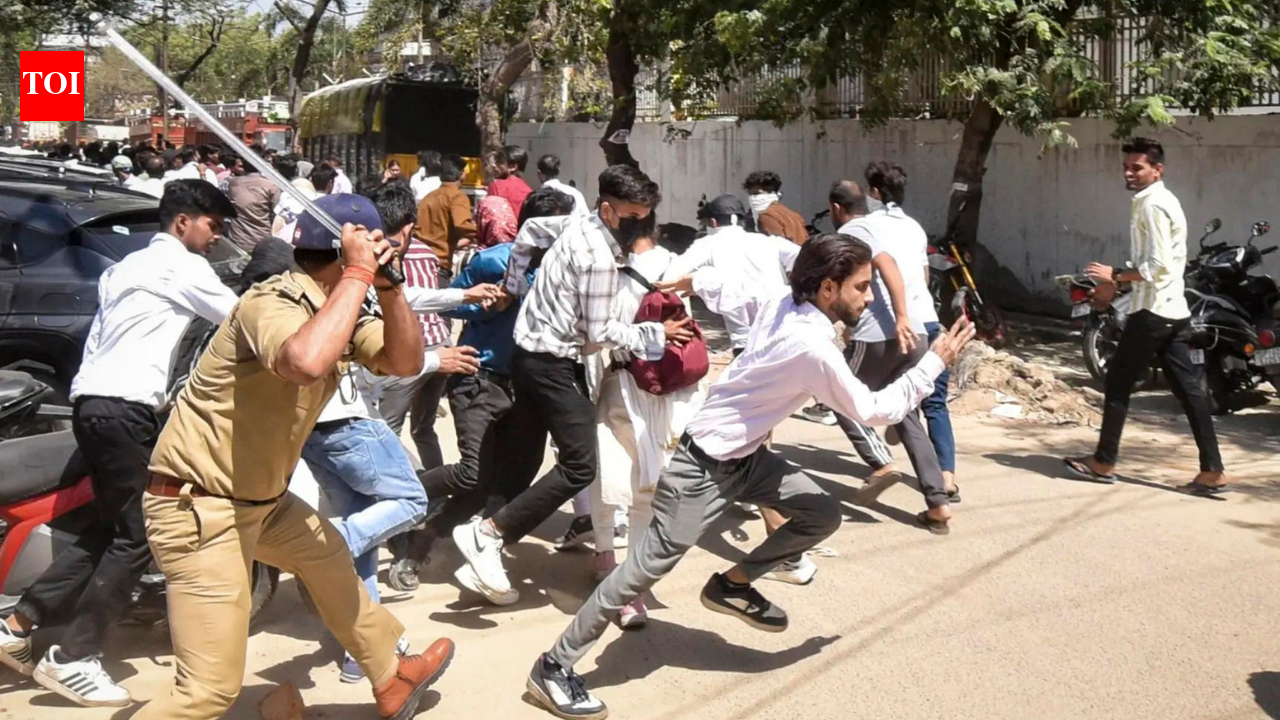
April 14: Protests spread to Khan Younis markets; farmers disrupted supply trucks in a tactic akin to Lesvos' ferry blockades amid epidemics. Fuel convoys delayed, mirroring Northern Ireland's slow-moving protests, leading to 24-hour blackouts in northern Gaza due to generator shortages. Clashes with security forces resulted in 20 injuries and 50 arrests.
-
April 15 (ongoing): Massive turnout at Gaza harbor—fishermen and vendors unite in a "livelihood lockdown," preventing vessel departures. Reports of arson on administrative vehicles, reminiscent of Haryana's escalated wage protests. International observers note a 15% spike in food prices overnight, with families rationing staples.
These shifts signal a tipping point: from grievance airing to economic sabotage, as unmet demands post the April 12 Kidney Patients Protest broaden into general unrest. The rapid spread underscores how localized economic grievances in Gaza civil unrest can quickly evolve into widespread disruptions, paralleling trends in other regions facing similar pressures.
Historical Event Timeline
- Pre-2026: Chronic economic woes under blockade; unemployment hovers at 45%, aid dependency at 80% of GDP (World Bank).
- January 18, 2026: Appointment of New Head of Gaza Administration Committee sparks optimism for reforms—promised wage hikes, trade easing, and infrastructure investment. Initial public support wanes as deliverables lag.
- February-March 2026: Sporadic small-scale demos over fuel prices and aid cuts; parallels emerge to Bangladesh's reform divisions, where political infighting stalls progress.
- April 12, 2026: Gaza Kidney Patients Protest erupts—over 1,000 demand dialysis subsidies and medicine imports, highlighting health-economy nexus (delayed treatments cost families $200/month). Event classified "LOW" intensity but catalyzes broader unrest as patients link medical bills to wage shortfalls.
- April 13-15, 2026: Protests metastasize into civil unrest; wage, fuel, and market blockades dominate, evolving from health-specific to economy-wide.
This timeline reveals a cycle: administrative promises (Jan 18) unmet breed targeted actions (Apr 12), snowballing into systemic disruption. Such patterns in Gaza's economic crisis offer critical insights for monitoring similar unrest globally.
Humanitarian Impact
The unrest's humanitarian footprint is profoundly economic, intertwining with daily survival in ways that rival wartime deprivations. Civilian "casualties" here are metaphorical yet devastating: livelihoods obliterated. Unemployment has surged to 55% (inferred from pre-unrest baselines and protest-induced halts), with 100,000+ informal workers—vendors, farmers, fishers—losing income. In Gaza's agriculture sector, 30% of citrus and olive harvests rot unpicked due to blocked roads, per FAO estimates, trapping families in poverty cycles akin to Islamabad's anti-encroachment backlash.
Displacement is internal: 20,000 residents from protest hotspots like Jabalia have relocated temporarily to relatives, straining host households. Infrastructure damage is minimal physically but crippling functionally—markets shuttered, schools half-empty as teachers protest unpaid salaries (Ghana parallel). Aid access worsens; UNRWA convoys delayed 48 hours, leaving 500 tons of food undelivered. Health strains intensify post-Kidney Protest: dialysis patients face black-market dialysis at triple costs, with 15 reported complications.
Women and youth bear outsized burdens. Drawing from African women's uprisings, Gaza females (50% of protesters) juggle childcare amid income loss, widening gender disparities—female unemployment at 60%. Youth, 65% of population, risk radicalization via idleness, their protests a cry for futures bartered away. Long-term: malnutrition up 10% (WHO prelim), debt defaults projected at 40% by Q3, forging intergenerational trauma. These impacts amplify the urgency of addressing Gaza livelihood struggles before they spiral further.
Catalyst AI Market Prediction
The World Now's Catalyst Engine analyzes ripple effects from Gaza's unrest amid Middle East tensions:
-
SOL: Predicted ↓ (medium confidence) — Causal mechanism: Risk-off liquidation cascades in crypto from Israel-Lebanon oil surge fears. Historical precedent: 2022 Ukraine invasion dropped SOL 15% in 48h initially. Key risk: Dip-buying by institutions on perceived overreaction. Calibration adjustment: Narrowed from typical due to 33.8x overestimate.
-
BTC: Predicted ↓ (medium confidence) — Causal mechanism: Risk-off sentiment from Middle East escalations triggers BTC selling as risk asset. Historical precedent: Feb 2022 Ukraine invasion dropped BTC 10% in 48h. Key risk: Ceasefire news sparks rebound. Calibration: Reduced range for 11.8x overestimate.
-
SPX: Predicted ↓ (medium confidence) — Causal mechanism: Broad risk-off flows from Middle East escalations and US crime surges trigger algorithmic selling in global equities. Historical precedent: Similar to 1996 Taiwan Strait crisis when SPX dropped 2% initially. Key risk: Trump ceasefire gains traction, sparking risk-on rebound.
Predictions powered by [The World Now Catalyst Engine](https://www.the-world-now.com/catalyst). Track real-time AI predictions for 28+ assets.
International Response
Global reaction remains muted, focused on parallels rather than direct intervention. UN statements urge "restraint," with OCHA highlighting economic risks in briefings. No sanctions, but aid reviews loom—USAID paused $20M in transfers pending stability. Diplomatic notes: EU calls for "reform dialogue," echoing Bangladesh's divided parties; Qatar mediates quietly.
Military deployments absent; focus on aid. WHO airlifts medicine post-Kidney Protest. Ireland's fuel protest fallout—minister resignation, no-confidence threats—inspires op-eds urging Gaza admin accountability. Echoes of broader protest dynamics appear in reports like NYC Protests Against US Arms Sales to Israel, highlighting interconnected global unrest patterns. Harsh precedents like Iran's death sentences for protesters draw Amnesty warnings. Overall, tepid: rhetorical solidarity, minimal action, risking escalation.
What This Means: Looking Ahead
Escalation triggers abound: worsening inflation (projected 25% by May) could spark widespread strikes, as in Haryana or unpaid teachers' threats, potentially elevating Gaza's ranking on the Global Risk Index. If April 18 admin deadline passes unmet, harbor blockades expand, inviting crackdowns (Iran parallel). Peace prospects dim sans reforms—Jan 18 promises' failure dooms repeats.
By mid-2026, aid influxes (post-Ramadan) or admin wage payments could stabilize, fostering resilience via grassroots co-ops (African women model). Risks: prolonged unrest breeds regional instability, spilling to West Bank; global echoes in crypto/equities via Catalyst predictions. Humanitarian crises loom by late 2026 absent intervention—famine edges, youth exodus. Key dates: April 18 reforms deadline; May 1 labor day protests. Optimism hinges on empowering marginalized voices for economic rebirth. This Gaza civil unrest 2026 serves as a stark reminder of how economic pressures can fuel sustained protests, with implications for stability across the Middle East and beyond.