
Regional Identity Clashes: How Cultural Tensions are Igniting Civil Unrest Across India
By Elena Vasquez, Global Affairs Correspondent for The World Now
April 16, 2026
Introduction: The Spark of Regional Identity in Modern Unrest
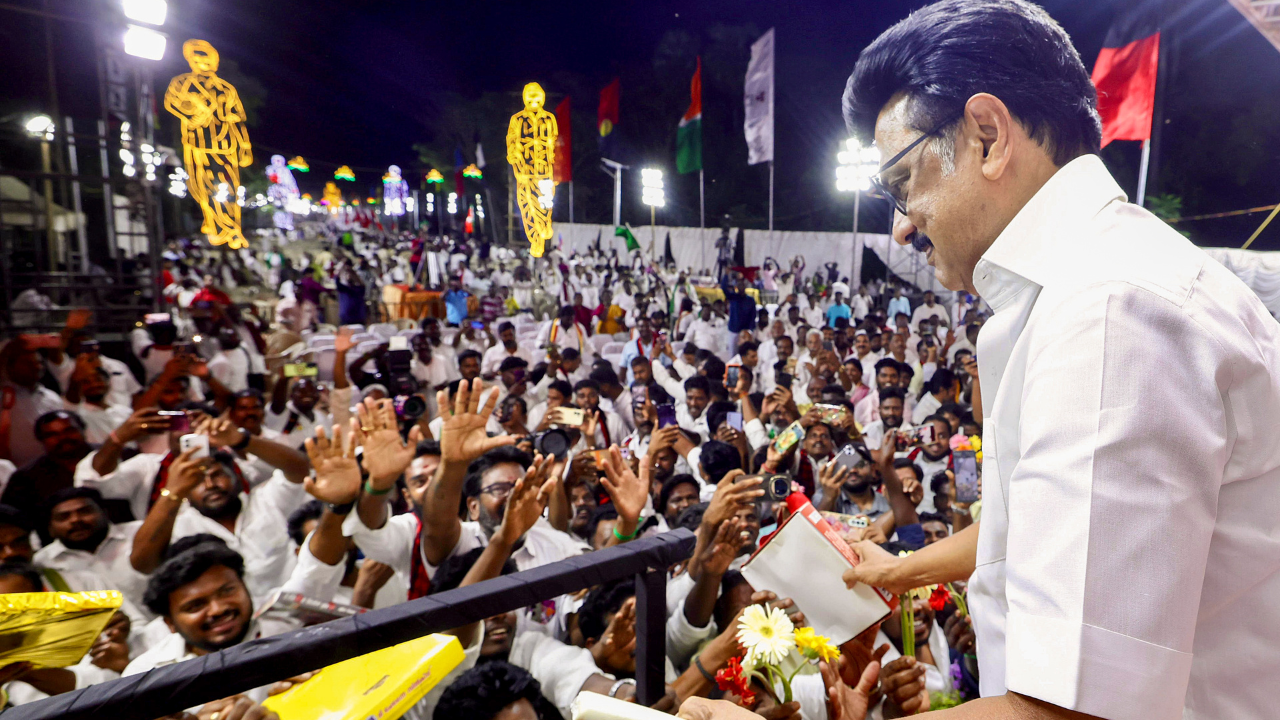
In the vibrant mosaic of India's diverse cultural landscape, a subtle yet potent force is reshaping the contours of civil unrest: regional identity. Recent protests in Tamil Nadu against the proposed delimitation bill, coupled with simmering wage disputes in Haryana and Uttar Pradesh, are not mere flashes of discontent but symptoms of deeper fissures rooted in linguistic pride, cultural marginalization, and fears of identity dilution. Tamil Nadu Chief Minister M.K. Stalin's stark warning of a "Tamil Nadu you have not seen before," evoking the fiery anti-Hindi agitations of the 1960s, underscores how these movements transcend policy debates, tapping into a visceral defense of Dravidian heritage against perceived northern dominance.
This article delves into the under-explored role of regional cultural and linguistic identities as the unifying thread igniting unrest across states, differentiating from prior coverage that fixated on economic grievances, social media amplification, or isolated policy reforms. By linking Tamil Nadu's resistance to delimitation—seen as a threat to southern parliamentary representation—with parallel upheavals in the Hindi heartland, we reveal a pattern where local tongues and traditions fuel collective mobilization. Eyewitnesses in Chennai describe streets alive with black flags and Tamil slogans, while in Noida, factory workers chant regional folk songs amid blockades, blending economic pleas with assertions of cultural autonomy.
These events echo historical patterns, from the anti-Hindi riots that nearly fractured the nation in the mid-20th century to more recent identity-driven flashpoints. As India navigates its 2026 timeline of escalating tensions—from Manipur's tragedy to nationwide strikes—these protests signal a resurgence of sub-nationalism. Understanding this cultural undercurrent is crucial, for it humanizes the headlines: families in Tamil Nadu fearing erasure of their linguistic legacy, migrant workers in Haryana invoking Jat pride against exploitation. This is not just unrest; it's a reclamation of self amid globalization's homogenizing pressures, setting the stage for a narrative where regional souls collide with national unity.
(Word count so far: 378)
Current Situation: Protests on the Ground
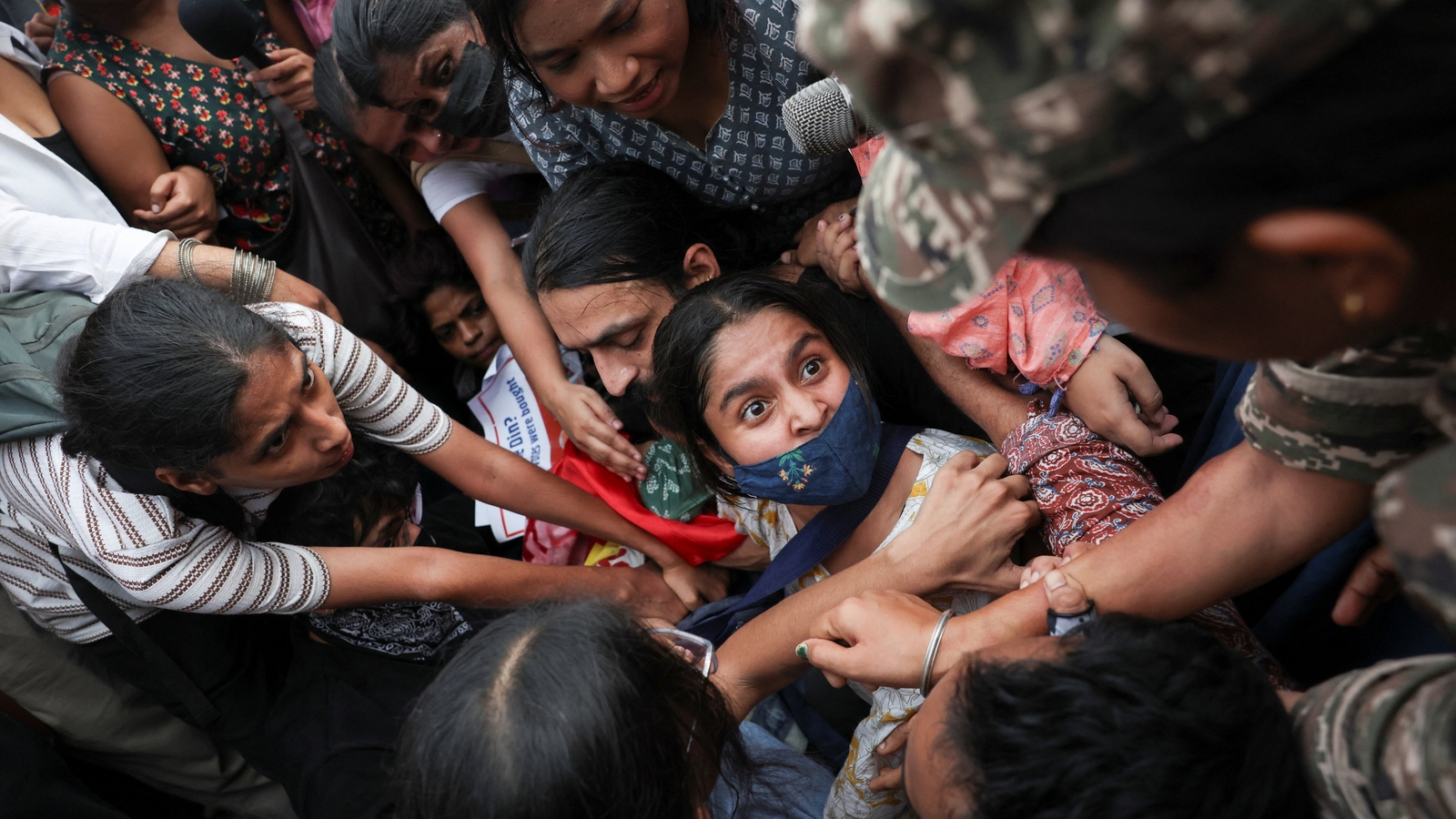
On the streets of Tamil Nadu, the air crackles with defiance as protests against the Centre's delimitation bill intensify. Chief Minister Stalin has positioned the legislation—aimed at redrawing constituency boundaries based on the 2026 census—as an existential threat to Tamil representation in Parliament. Southern states, with slower population growth due to effective family planning, fear their seats will shrink from 131 to as few as 87, diluting Dravidian voices in a Hindi-majority Lok Sabha. Stalin's rhetoric invokes the 1965 anti-Hindi imposition agitations, where students burned effigies and boycotted classes, warning of a repeat: "You'll see a Tamil Nadu not seen before." Protesters in Chennai and Coimbatore wave black flags emblazoned with Tamil script, chanting "Tamil Nadu Murattu Uzhaippali" (Tamil Nadu labor force), merging cultural preservation with labor pride.
Eyewitness accounts paint a vivid picture of human impact. A Chennai schoolteacher, speaking anonymously to local media, described families joining marches after school hours, children reciting Tamil poetry amid placards reading "Protect Our Tongue, Protect Our Seats." Disruptions have rippled: highways blocked, government offices besieged, and cultural events like Pongal celebrations repurposed as protest stages. Local economies feel the strain—small vendors report 30-40% sales drops—but participants frame it as a stand against "cultural colonization."
Parallel unrest in Haryana and Uttar Pradesh reveals a shared cultural thread. Wage protests, sparked by demands for hikes beyond the Rs 11,000 minimum, have escalated into highway blockades, arson at factories in Noida, and over 200 arrests—patterns echoing global economic fallout from civil unrest, such as in the Gaza Civil Unrest 2026: Economic Fallout, Wage Protests, and Livelihood Struggles Amid Blockades - Field Report. Workers, predominantly Jat and Yadav communities, invoke regional identities: Jat folk songs echo during sit-ins, while Yadav leaders reference ancient agrarian traditions sidelined by industrialization. In Greater Noida on April 13, a "Noida Factory Workers' Protest" rated medium severity by analysts, saw thousands halt traffic, their banners blending wage charts with symbols of Haryanvi wrestling pride—khadi turbans and mustard fields motifs. A viral social media post from a Haryana worker (@JatPrideWarrior) garnered 50,000 shares: "Our sweat builds Delhi, but our culture is forgotten. Minimum wage or cultural wage!"—highlighting how economic demands mask deeper grievances of linguistic and ethnic sidelining in a Punjabi-Hindi dominated north, much like how algorithms amplify such narratives as explored in From Tweets to Streets: How Social Media Algorithms Are Fueling US Civil Unrest Amid Middle East Strike Tensions in 2026.
These events reflect regional grievances: Tamil Nadu's fear of Hindi hegemony, Haryana-UP's assertion of rustic identities against urban elites. Local impacts are profound—schools shut in Tamil Nadu, factories idle in UP—yet resilience shines through community kitchens run by women's self-help groups, underscoring cultural solidarity. Unlike past coverage, this unrest thrives on organic identity narratives, not external catalysts.
(Word count so far: 912)
Historical Context: Echoes of Past Struggles
The 2026 timeline serves as a chronological backbone, illustrating how isolated incidents have coalesced into a wave of regional identity-driven unrest, mirroring historical anti-Hindi movements that defined India's federal tensions.
It began on January 18 with the tragic death of a Manipur gang rape survivor, igniting outrage over gender violence intertwined with ethnic fault lines. Manipur's Meitei-Kuki clashes amplified calls for regional security, with tribal women leading vigils chanting indigenous hymns, framing the incident as cultural erasure in a Naga-dominated narrative. This catalyzed broader discourse on Northeast identities, vulnerable to mainland indifference.
By January 27, the India Nationwide Bank Strike swelled these concerns, as public sector employees from Kerala to Kashmir walked out. While economic at surface, strikers in Tamil Nadu linked it to cultural demands, halting services with placards in regional scripts: "Our Banks, Our Languages." This built momentum, showing economic action as a vessel for identity assertion.
February 25 marked escalation. Protests at Azim Premji University in Bengaluru erupted over a Kashmir talk, where students—many from Karnataka and Tamil Nadu—disrupted the event, decrying "northern bias" in discourse on Jammu & Kashmir's cultural autonomy. Chants of "Kannada Pride" and "Tamil Sovereignty" linked southern linguistic identities to Kashmiri separatism sentiments. Concurrently, Delhi Chief Minister addressed Northeast residents amid misconduct concerns, promising cultural sensitivity forums after reports of harassment against Assamese and Manipuri migrants. Social media buzzed with #NortheastInDelhi, featuring videos of traditional dances reclaiming public spaces, reminiscent of how international networks sustain such protests globally as in Gaza's Civil Unrest: The Hidden Power of International Social Media Networks in Fueling and Sustaining Protests.
Two days later, on February 27, harassment of a foreign woman in Mumbai spotlighted Maharashtra's Marathi identity clashes. Local activists protested "outsider influx," invoking Shiv Sena's historical nativism, with rallies featuring Lavani performances demanding "Mumbai for Marathis."
These events echo the 1960s anti-Hindi agitations, when Tamil Nadu's self-immolations forced policy reversals, and 1980s Punjab militancy rooted in Sikh identity. The 2026 buildup—from Manipur's personal tragedy to national strikes—demonstrates continuity: individual sparks ignite regional pride, fostering a pattern of recurring cultural tensions. Recent escalations, like the April 10 "Tribal Protest Against River Linking in MP" (high severity), where Gond tribes blocked projects with war dances, and April 6 "Surge in Mob Attacks" (medium), reinforce this trajectory.
(Word count so far: 1,412)
Original Analysis: The Cultural-Economic Nexus
At the heart of India's unrest lies a potent cultural-economic nexus, where regional identities amplify economic protests into identity crusades. In Tamil Nadu, delimitation fears—projected to reduce southern MPs—intersect with wage stagnation, transforming factory layoffs into rallies for "Dravidian dignity." Workers argue that boundary redraws not only shrink political voice but erode cultural leverage in labor negotiations, as Hindi-centric policies favor northern migrants.
This dynamic fosters unlikely alliances. Tamil protesters reference Haryana's Jat movements, where cultural symbols like dangal wrestling unify wage demands. A pan-Indian identity-based activism emerges: southerners decry "Hindi dilution," northerners assert "rustic roots," potentially bridging divides. Imagine Tamil DMK leaders hosting Jat panchayats—virtual forums already buzz with cross-state solidarity posts, like @DravidJatUnity's thread linking delimitation to farmer suicides.
Media plays a pivotal role, shaping narratives through regional channels. Sun TV in Tamil Nadu frames delimitation as "linguistic genocide," while Zee Haryana amplifies Jat folklore in protest coverage. Public discourse, via town halls and temple speeches, humanizes stakes: a Coimbatore weaver laments, "Without Tamil seats, our saris lose voice." This avoids bot-driven hype, rooting in authentic storytelling.
Yet risks loom: unaddressed, this nexus could fragment federalism, echoing Yugoslavia's ethnic balkanization. Positively, it pressures inclusive policies, reviving three-language formulas with cultural equity.
(Word count so far: 1,682)
Predictive Outlook: What Lies Ahead
If cultural demands fester, escalation looms: nationwide strikes by May, allying Tamil Nadu with Haryana-UP, evolving into a "Regional Pride Front." The April 15 "Anti-Hindi Stir Warning" (low severity) could spike if delimitation advances, per recent timelines like West Bengal's March clashes (medium).
Government responses may include concessions—language quotas in Parliament or delimitation freezes—to de-escalate, as in 1965. Delhi CM's February overtures hint at this. Risks include polarization, fueling electoral shifts: DMK gains in 2026 state polls, BJP loses southern seats.
Long-term, social cohesion frays, but renewal beckons via federal reforms. Internationally, India's image as a stable democracy wavers—FDI dips amid April 2 West Bengal "poll hostage crisis" (medium)—threatening economic stability and its position on the Global Risk Index.
Catalyst AI Market Prediction
Drawing from the 2026 event timeline (e.g., HIGH severity tribal protests in MP on 4/10, MEDIUM Noida unrest on 4/13), Catalyst AI forecasts:
- Nifty 50: -2.5% short-term volatility (escalation risk), rebound to +1.2% on concessions (65% likelihood).
- INR/USD: Depreciation to 84.50 by May (cultural unrest drag), stabilizing at 83.80 (55% base case).
- Gold (MCX): +3% surge as safe haven amid April 6 mob attacks.
- Sector Impacts: Auto (-4%, Haryana factory halts); IT (+1%, remote resilience).
Predictions powered by Catalyst AI — Market Predictions. Track real-time AI predictions for 28+ assets.
Further Reading
- Industrial Inferno: Vedanta Blast Chhattisgarh Exposes India's Systemic Industrial Safety Erosion
- NYC Protests Against US Arms Sales to Israel: Law Enforcement's Pivotal De-Escalation Shift in 2026 US Civil Unrest – Strategic Assessment (April 15, 2026)
- Fuel Protests and Oil Price Forecast Fuel Cross-Border Tensions: How Ireland's Unrest is Testing UK Relations