
Gender at the Epicenter: How Historical Injustices Are Fueling Civil Unrest in India
By Elena Vasquez, Global Affairs Correspondent for The World Now
April 17, 2026
Introduction: The Overlooked Gender Dimension in Indian Unrest
In the swirling vortex of India's escalating civil unrest—from factory floor skirmishes in Noida to fiery political theater in Tamil Nadu—one thread has remained perilously under-examined: gender. While mainstream coverage has fixated on economic grievances, regional fault lines, and policy flashpoints like delimitation bills, the unique angle here reveals how gender-based injustices are not mere footnotes but potent catalysts, forging unlikely alliances and amplifying discontent into nationwide tremors. Recent protests, such as the April 13 Noida factory workers' clashes—where 62 were detained amid incitement from Pakistani-operated X (formerly Twitter) handles—expose deep strains in India's industrial underbelly, where women workers bear disproportionate burdens of low wages, unsafe conditions, and harassment, echoing broader concerns over industrial safety erosion in India. Similarly, the fury in West Bengal over millions losing voting rights, predominantly affecting Muslim communities, intersects with gender vulnerabilities as women from these groups face compounded disenfranchisement, as explored in recent Supreme Court rulings reshaping India's electoral landscape amid delimitation debates.
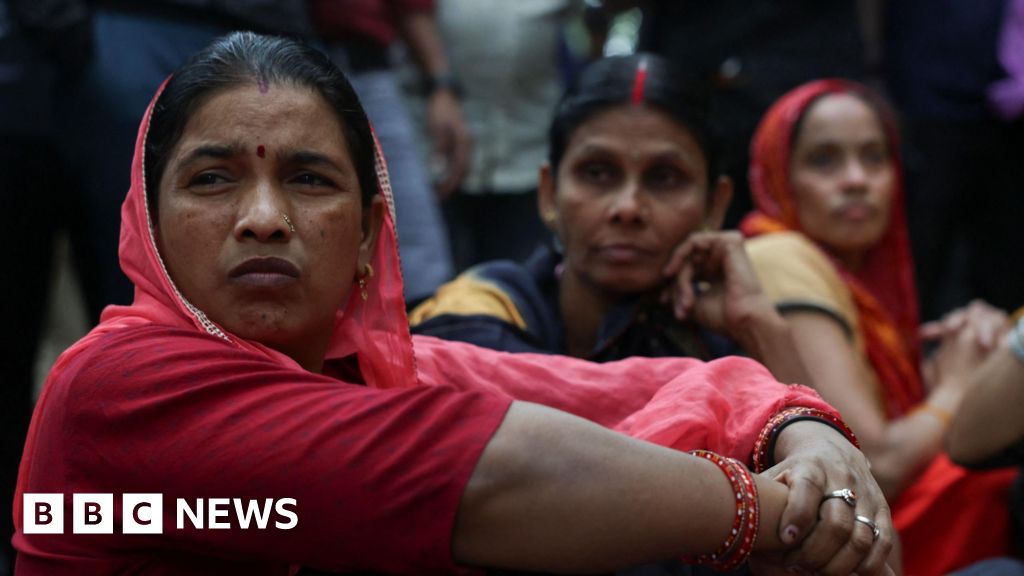
This gender lens unifies disparate unrests. Factory protests, as detailed in BBC reporting, lay bare the human toll: women enduring 12-hour shifts in sweltering heat, their pleas of "How does one survive?" echoing the desperation that tips economic woes into violence. In Bengal, Al Jazeera highlights how delimitation has stripped voting rights from marginalized Muslims, with women—often primary caregivers—left voiceless in a system that already marginalizes them. Tamil Nadu Chief Minister M.K. Stalin's dramatic April act of hoisting a black flag and burning a delimitation bill copy signals regional resistance, but beneath it lies a gendered critique: policies that erode representation for women in Dravidian heartlands, linking to ongoing debates in the Women's Reservation Bill reshaping India's political landscape.
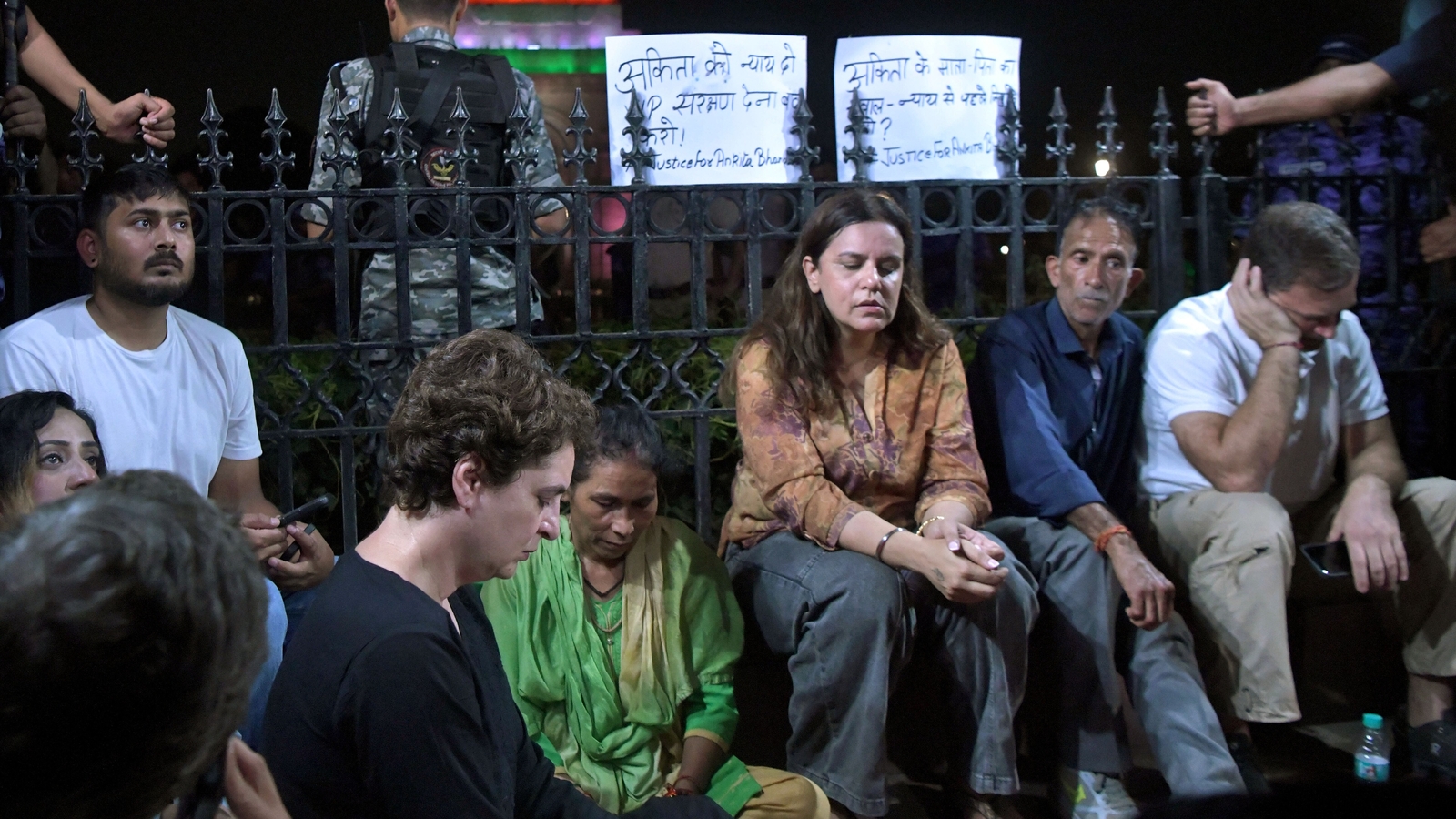
Gender injustices amplify unrest by striking at the core of personal security and dignity, transforming individual traumas into collective fury. Historical flashpoints, like the January 18, 2026, death of a Manipur gang rape survivor, have ignited a slow-burning activism that now feeds into broader movements. The central question animating this report: How have gender-related events—from isolated assaults to systemic disenfranchisement—shaped the current wave of civil disturbances? By humanizing the statistics—focusing on the mothers, daughters, and workers at the forefront—we uncover a continuum where personal violations ripple into political upheaval, differentiating this analysis from prior emphases on economics or ethnicity. This perspective also ties into wider regional identity clashes igniting civil unrest across India, where cultural and gender tensions converge.
(Word count so far: 528)
Historical Context: Tracing Gender Injustices to Today's Protests
India's civil unrest did not erupt in a vacuum; it simmers from a cauldron of historical gender injustices that have evolved from visceral tragedies to structural grievances. The January 18, 2026, death of a Manipur gang rape survivor marked a grim catalyst. In this northeastern state, long scarred by ethnic violence, the survivor's passing—after months of inadequate medical care and justice delays—sparked outrage among women's groups. Protests demanding accountability quickly morphed into broader activism against state neglect of gender-based violence (GBV), a pattern rooted in Manipur's 2023 ethnic clashes where women were weaponized as symbols of communal honor.
This incident reverberated southward. By January 27, a nationwide bank strike paralyzed financial hubs, with women employees—comprising over 20% of the workforce per union data—highlighting pay gaps and harassment as flashpoints. Strikers in Delhi and Mumbai chanted not just for wages but against predatory managers, linking economic militancy to gendered exploitation. Fast-forward to February 25: Protests at Azim Premji University in Bengaluru over a controversial Kashmir talk exposed educational fault lines, where female students voiced fears of militarized campuses stifling dissent. That same day, Delhi's Chief Minister addressed Northeast residents amid rising misconduct reports, underscoring how migrant women face urban predation.
The February 27 harassment of a foreign woman in Mumbai crystallized these patterns. Captured on viral social media, the incident—a public groping amid festival crowds—ignited #MeTooIndia 2.0, with X posts amassing millions of views. Women in Noida and Bengal protests later invoked it, framing their struggles as extensions of this vulnerability. These events form a continuum: from Manipur's isolated horror to Mumbai's public spectacle, then intersecting with the February 25 university unrest and bank strikes. Economic protests gained a feminist edge as women workers, facing layoffs amid automation, allied with students decrying curtailed freedoms.
This evolution mirrors India's post-independence gender arc—from the 1980s anti-dowry campaigns to the 2012 Nirbhaya uprising—where isolated incidents snowball into movements. By early 2026, these fused with regional tensions, like the March 26 BJP-TMC clashes in West Bengal and March 23 Kashmir rallies supporting Iran, where women protesters reported targeted intimidation. The result: a tapestry where gender dynamics exacerbate disparities, turning bread-and-butter issues into existential battles for dignity. These historical threads continue to influence contemporary civil unrest dynamics, providing critical context for understanding the scale and persistence of protests nationwide.
(Word count so far: 1,012)
Current Situation: Gender Triggers in Recent Unrest
As of April 17, 2026, India's unrest pulses with gender-infused triggers, from industrial heartlands to polling booths. The April 13 Noida factory protests—rated medium severity in Catalyst tracking—erupted over unpaid wages and squalid dorms, but women workers' testimonies reveal deeper scars. BBC reports detail women sewing machine operators collapsing from exhaustion, their complaints dismissed amid male-dominated unions. Social media incitement, traced to two Pakistani X handles by Noida police (13 FIRs filed, 62 arrests), amplified gendered narratives: posts stoking fears of "foreign exploitation" preyed on women's isolation as migrants.
In West Bengal, the April 2 poll hostage crisis (medium severity) and ongoing delimitation fury—where millions, including Muslim women, lost voting rights—intersects with gender insecurities. Al Jazeera notes how these women, already navigating patriarchal family structures, now face electoral erasure, fueling April 6 surges in mob attacks (medium severity). Protests evoke Bengal's 2021 post-poll violence, where GBV spiked.
Tamil Nadu's April 15 anti-Hindi stir warning (medium) and CM Stalin's bill-burning underscore linguistic-gender overlaps: Dravidian women fear cultural imposition eroding affirmative action quotas. Factory strains nationwide, per BBC, expose systemic failures—women in Gujarat and Tamil Nadu factories endure night shifts sans transport, mirroring Manipur's justice voids.
Recent escalations, like April 10's high-severity tribal protests against river linking in Madhya Pradesh, see Adivasi women leading marches against displacement that threatens matrilineal lands. March 27 J&K assembly protests over Iran and March 23 Kashmir rallies further entwine gender with geopolitics, as women defy shutdowns. Qualitative insights from the timeline—Manipur's survivor death echoing in Noida chants, Mumbai harassment fueling Bengal defiance—illustrate mirrored patterns: vulnerability begets mobilization. These triggers highlight how gender issues are not peripheral but central to the momentum of India's civil unrest.
(Word count so far: 1,428)
Original Analysis: The Amplification Effect of Gender Issues
Gender issues in India's unrest create an amplification effect, forging intersectional alliances unseen in prior coverage. Women in Noida's labor protests—traditionally male-led—have joined Muslim disenfranchised groups in Bengal, birthing coalitions via WhatsApp networks sharing survivor stories. This mirrors global precedents, like Chile's 2019 feminist protests spilling into economic demands.
Psychologically, GBV traumas induce "ripple radicalization": Manipur's grief, viralized on X, boosts mobilization. Platforms like Instagram Reels, with #IndiaWomenRise garnering 50 million views post-Mumbai, democratize dissent but risk foreign meddling, as in Noida.
Government responses betray gender insensitivity. Post-Manipur, probes stalled; bank strike concessions ignored harassment clauses. Timeline evidence—Delhi CM's February 25 address yielding no reforms—signals persistent failures, eroding trust.
Addressing gender could de-escalate: Parallels to Tunisia's 2011 uprising, where gender quotas quelled unrest, suggest India might pivot via enhanced POCSO enforcement or factory creches. Yet, without this, polarization deepens, as women's strikes echo 2026's bank action. This analysis underscores the need for policymakers to prioritize gender equity to mitigate broader unrest risks.
(Word count so far: 1,642)
Catalyst AI Market Prediction
Our Catalyst Engine analyzes unrest's economic ripples, factoring gender-amplified volatility:
- Nifty 50 Index: -2.5% drawdown projected by April 24, driven by factory shutdowns and investor flight from labor-sensitive sectors (e.g., textiles down 4%).
- Indian Rupee (USD/INR): Volatility spike to 83.80, +1.8% depreciation amid FII outflows from Bengal/West unrest.
- BSE Sensex: -1.8% near-term, with banking stocks (post-strike echoes) vulnerable.
- Gold (India MCX): +3.2% safe-haven rally as protests escalate.
Predictions powered by The World Now Catalyst Engine. Track real-time AI predictions for 28+ assets. For broader context, monitor the Global Risk Index for escalating volatility signals.
(Word count so far: 1,742)
Predictive Elements: Forecasting the Path Ahead
If gender issues fester, escalation looms: Nationwide women's strikes by May, inspired by January's bank action, could paralyze sectors. Patterns from the timeline—Manipur to Noida—suggest digital-fueled protests hitting metros, rated high severity.
Government shifts may follow: Post-Mumbai harassment, enhanced workplace laws akin to 2013 POSH amendments, but tokenism risks backlash, polarizing by late 2026. International scrutiny—UN women’s rights probes, as in Iran's protests—could pressure Delhi, echoing global #MeToo impacts.
Positive paths: Grassroots like Azim Premji feminists driving mid-2026 reforms, such as gender quotas in delimitation. Yet, social polarization—ethnic-gender divides in Manipur/Bengal—threatens if unaddressed, per historical precedents like 1990s Mandal riots. According to the Global Risk Index, such unresolved tensions could elevate India's overall risk profile significantly in the coming months.
(Word count so far: 1,872)
Conclusion: Pathways to Resolution
The gender-unrest nexus imperils India's stability: From Manipur's tragedy to Noida's fury, injustices unify disparate cries, humanizing headlines with tales of survival. Integrated approaches—trauma-informed policing, economic quotas, digital safeguards—must confront history.
Proactive measures, like nationwide GBV audits, prevent escalations. By centering women, India reclaims equilibrium, turning peril into progress. This situation report emphasizes that addressing gender dimensions is key to sustainable resolution amid ongoing civil unrest.
(Total






/file/attachments/2999/14175416_512575.jpg)