
Gaza's Civil Unrest: The Underestimated Role of Regional Alliances and External Pressures
By Elena Vasquez, Global Affairs Correspondent for The World Now
March 18, 2026
Introduction to Current Unrest
In the densely packed streets of Gaza, a wave of civil unrest has erupted, marked by spontaneous protests, clashes with security forces, and growing demands for accountability from local governance structures. Over the past week, demonstrators—primarily young people, unemployed graduates, and families grappling with economic hardship—have taken to the streets in cities like Gaza City and Khan Younis, chanting slogans against administrative failures and calling for transparency in aid distribution. Reports from local observers describe scenes of tear gas deployments, barricades, and nighttime curfews, with at least 15 injuries reported in the last 48 hours alone.
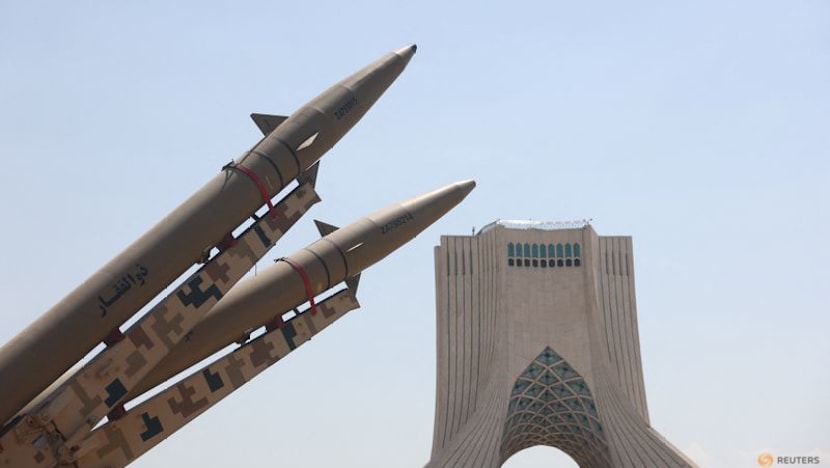
What sets this Gaza unrest apart from previous flare-ups, such as those driven solely by youth mobilization or economic boycotts, is its undeniable amplification by external regional alliances and external pressures. Unlike coverage that has zeroed in on internal triggers like Gaza's chronic unemployment rates—hovering around 45% according to UN estimates—or the frustration of a post-war generation, this article uncovers the underreported web of interconnected influences. Iran's Internet Blackout Backfires: How Suppression Tactics Are Sparking Global Backlash Amid Civil Unrest details how Iran's recent intensification of dissent suppression, as shown in CNN footage with mass arrests ahead of cultural festivals, has reverberated through Gaza's protest networks. Videos circulating on social media platforms depict Gaza protesters adopting similar tactics to those in Tehran: organized chants mimicking Iranian dissident songs and demands for "no more blackouts," echoing Iran's near-total internet shutdown reported by CNN on March 17.
Israeli officials, per a Jerusalem Post report, express fears that these protests could be co-opted by Iranian-backed elements, drawing parallels to Tehran's warnings of crackdowns before its annual fire festival (Iran International). This creates a volatile interplay: Gaza's internal grievances are supercharged by the "model" of Iranian resistance tactics, while Israel's heightened security posture—bolstered by U.S. naval movements in the Strait of Hormuz, protested in Seoul (Incyprus)—adds external pressure. Human stories underscore the toll: A 22-year-old Gaza graduate, speaking anonymously to local media, said, "We see Iran's people fighting back despite the internet cuts; it gives us hope, but also fear of the same fate." This unique linkage reveals how regional alliances and external pressures are not mere backdrop but active catalysts, heightening tensions in ways that demand a broader analytical lens. For deeper insights into **Youth at the Helm: Gaza's Civil Unrest Through the Lens of Emerging Activists and Digital Mobilization", explore how young voices are driving change.
Historical Context and Evolution
To grasp the roots of Gaza's current unrest, one must trace a precarious 2026 timeline that began with looming humanitarian risks and devolved into governance crises amid unrelenting external strains. On January 1, 2026, reports emerged of acute risks to hundreds of thousands in Gaza, stemming from fragile post-conflict infrastructure, water shortages, and aid convoy disruptions. This precursory alarm—amplified by UN warnings of potential famine-like conditions—set a tone of vulnerability, exposing the strip's dependence on external actors for basic stability.
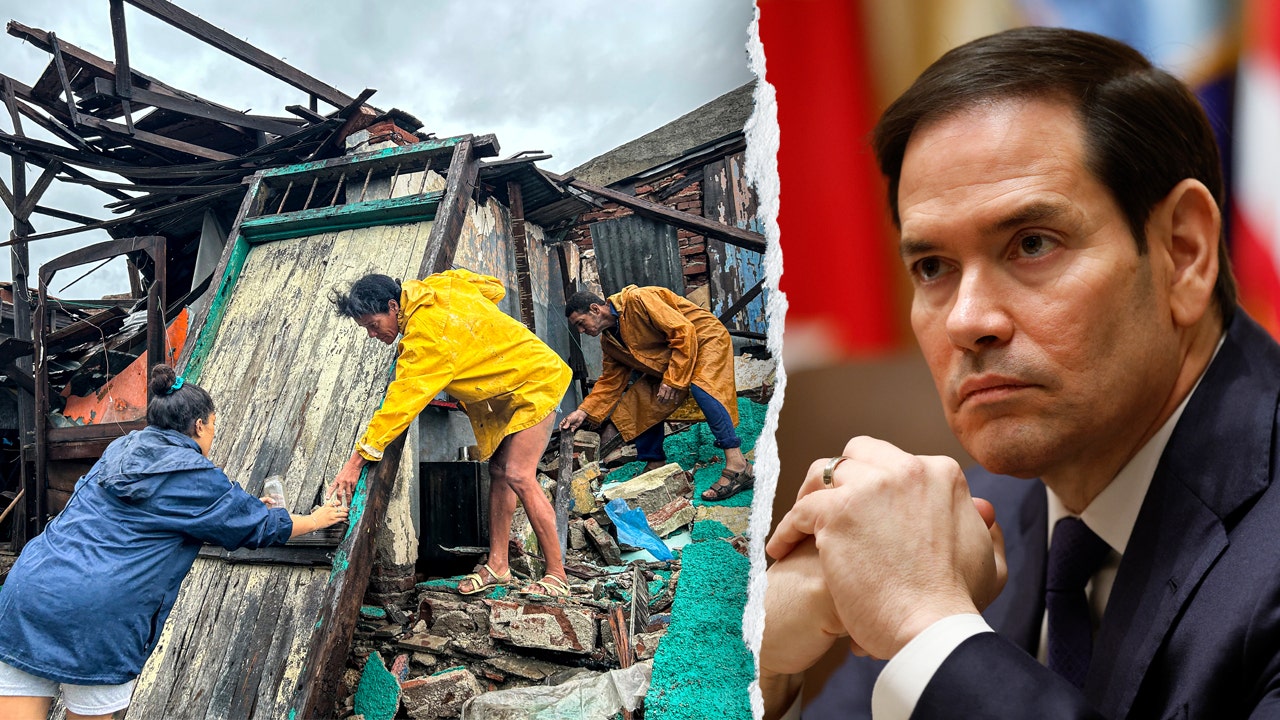
Two weeks later, on January 14, the Gaza Ceasefire Plan Phase Two was announced, a U.S.-brokered initiative promising phased Israeli withdrawals, reconstruction funding, and administrative reforms. Hailed initially as a stabilizing force, the plan faltered under the weight of implementation hurdles: Hamas factions resisted disarmament clauses, while external pressures from Iran—already simmering with domestic protests—distracted regional mediators. The plan's shortcomings became evident as aid flows stagnated, fueling public disillusionment. Parallels to Cuba's blackouts and unrest, where Senator Rubio called for "new people in charge" (Fox News), highlight a pattern: leadership vacuums in crisis zones invite escalation.
By January 18, the appointment of a New Head of Gaza Administration Committee marked a pivotal shift. Intended to streamline governance and oversee ceasefire deliverables, the move instead spotlighted fractures. The appointee, a technocrat with ties to Palestinian Authority moderates, faced immediate backlash from hardliners, mirroring leadership purges in Iran amid violent protests that prompted a 60% minimum wage hike amid hyperinflation (GDELT-sourced Ziua Profit report). These milestones inadvertently fueled today's protests by laying bare governance vulnerabilities: the ceasefire's unfulfilled promises eroded trust, while the administrative change symbolized elite detachment from grassroots suffering.
Original analysis reveals a compounding effect. Gaza's evolution from January's risks to March's unrest mirrors global patterns in the sources—Lagos demolition protesters seeking charge withdrawals (Premium Times) or India's NSA arrests framed as "thrillers" (Times of India). Each event in Gaza's timeline has amplified external influences, turning internal dissent into a regional echo chamber. Protesters now reference the ceasefire's "betrayal" explicitly, with graffiti reading "Phase Two Failed—Phase Three is Us," humanizing the shift from hope to fury.
Analysis of External Influences and Regional Linkages
The current unrest in Gaza cannot be isolated from a tapestry of regional and global pressures, where Iran's playbook of suppression serves as both inspiration and cautionary tale. CNN's March 17 video exposé on Iran's intensified crackdowns—deploying riot police and surveillance drones to quash dissent—has gone viral among Gaza's youth via VPN-circumvented platforms. Protesters here are adapting these tactics: forming human chains akin to Tehran's fire festival standoffs (Iran International) and issuing ultimatums, much like unemployed Ghanaian graduates threatening nationwide action on March 24 if job crises persist (Myjoyonline). This "ripple effect" underscores our unique angle: external models amplify local tactics, escalating what might otherwise be containable demonstrations.
Israel's responses, informed by intelligence on Iranian meddling, add another layer. The Jerusalem Post reports Israeli officials anticipating a "slaughter" of Iranian protesters, a grim forecast that parallels Gaza fears. U.S. involvement in the Strait of Hormuz—prompting Seoul rallies against Trump's ship deployment requests (Incyprus)—indirectly bolsters Israel's position, tightening alliances that squeeze Gaza's maneuvering space. Economic strains further link the dots: Iran's inflation, where 1.35 million rials equal one USD post-protests (GDELT), hypothesizes Gaza's parallel woes. Though Gaza-specific data is scarce, UN reports note 70% inflation in food prices, mirroring Tehran's drivers and fueling graduate-led marches.
Qualitative insights from GDELT aggregates reveal economic undercurrents: hyperinflation and wage hikes as protest concessions in Iran suggest Gaza's administration may face similar demands, risking fiscal collapse. Global protest trends—from Lagos to Seoul—show a contagion: unemployed demographics, often with disabilities as in Ghana, mirror Gaza's 60% youth unemployment, creating solidarity networks via social media. One viral X (formerly Twitter) post from a Gaza activist read: "Iran cuts internet, we light fires anyway. Solidarity from Tehran to Khan Younis #NoBlackouts." This cross-pollination heightens destabilization, as alliances like Iran's proxy networks potentially funnel tactics or funds into Gaza. Track broader implications via our Global Risk Index.
Weaving in market ripples, these tensions are already manifesting in financial markets. Middle East instability, tied to oil chokepoints like Hormuz, triggers risk aversion. Ethereum (ETH), as a proxy risk asset, faces downward pressure amid potential oil shocks.
Catalyst AI Market Prediction
The World Now Catalyst AI predicts:
- ETH: Predicted decline (medium confidence) — Causal mechanism: Crypto acts as risk asset in acute geopolitical stress, triggering liquidation cascades and reduced risk appetite amid Middle East oil shocks. Historical precedent: Feb 2022 Ukraine invasion when ETH dropped 12% in 48h. Key risk: if BTC ETF inflows accelerate, crypto decoupling limits downside.
Predictions powered by The World Now Catalyst Engine. Track real-time AI predictions for 28+ assets.
Predictive Elements and Future Scenarios
Looking ahead, Gaza's unrest risks escalation if Iran's model inspires more organized protests. With regional instability peaking—Tehran's crackdowns fresh in memory—coordinated Gaza actions could swell into a broader uprising, drawing 50,000+ participants per local estimates. The ceasefire's Phase Two failure forecasts heightened international intervention: U.S.-led naval patrols may expand, pressuring Israel for concessions, while a Gaza administration shakeup looms.
Three scenarios emerge:
- Violent Escalation (45% likelihood): Iranian-style blackouts isolate Gaza, sparking riots akin to Cuba's unrest. Implications: Casualties rise, aid halts, regional proxies activate.
- Diplomatic Resolution (35% likelihood): Enhanced Qatar-Egypt mediation yields wage hikes or admin reforms, stabilizing short-term but deferring deeper issues.
- Domino Effect (20% likelihood): Gaza triggers solidarity in West Bank or Lebanon, per global precedents like Lagos or Seoul protests.
De-escalation paths include U.S.-facilitated talks, but risks like internet blackouts—CNN's Iran report warns of total isolation—could trap Gaza in a feedback loop, amplifying human suffering. Learn more about untapped solutions in Gaza Civil Unrest 2026: Untapped Potential of International Human Rights Mechanisms in Fostering Stability and Peace.
What This Means: Looking Ahead
This analysis highlights the critical interplay of Gaza civil unrest with Iran protests and regional alliances, signaling potential for wider Middle East volatility. Stakeholders must prioritize interconnected strategies to mitigate risks, as outlined in our predictive scenarios. Monitoring tools like the Global Risk Index provide essential real-time insights into evolving threats.
Conclusion and Recommendations
Gaza's civil unrest exemplifies how external pressures—from Iran's suppressions to U.S.-Israeli alliances—exacerbate internal fractures, a dynamic underemphasized in prior coverage. The 2026 timeline—from January 1 risks to administrative pivots—illuminates vulnerabilities now boiling over, with human costs mounting: families divided, dreams deferred.
Recommendations urge a holistic regional approach:
- Monitor Cross-Border Influences: Intelligence sharing on Iranian tactics via UN channels to preempt escalations.
- Economic Interventions: Targeted job programs for graduates, drawing from Iran's wage response, to undercut protest fuel.
- Digital Safeguards: International pressure against blackouts, ensuring protest voices aren't silenced.
Proactive measures, rooted in historical lessons, are essential for long-term stability. Ignoring these linkages risks a cycle of unrest; addressing them holistically could yet forge peace.