
The Awakening of Persian Heritage: How Cultural Revival is Fueling Iran's Civil Unrest
Introduction: The Cultural Undercurrents of Iran's Protests
In the heart of Iran's ongoing civil unrest, a profound shift is underway: protesters are not merely chanting against political repression but are resurrecting the symbols and rituals of ancient Persian heritage as weapons of resistance. This unique angle diverges from prior coverage, which has emphasized internal security fractures, alleged espionage networks, Iran's Shadow War: The Rise of Espionage and Cyber Threats in Middle East Geopolitics, and external geopolitical influences. Instead, it spotlights how figures like Reza Pahlavi, the exiled son of the last Shah, are invoking pre-Islamic traditions—such as calls for mass gatherings during ancient Persian holidays—to galvanize a new wave of defiance against the Islamic Republic's theocratic regime.
Recent reports highlight Pahlavi's direct appeals for demonstrations tied to these cultural milestones, framing them as moments of national rebirth rather than mere political rallies. Protesters have been seen waving pre-1979 Iranian flags, chanting verses from Ferdowsi's Shahnameh, and reappropriating public spaces with names evoking Cyrus the Great or other Achaemenid emperors. This cultural revival taps into a deep-seated Iranian identity suppressed since the 1979 Islamic Revolution, positioning the protests as a reclamation of heritage rather than just anti-regime agitation.
This article structures its exploration as follows: first, the current situation amid regime crackdowns; second, historical context linking January's spark to centuries of cultural tension; third, original analysis of how these symbols sustain the uprising; and finally, predictive trajectories toward potential escalation or reform. For global audiences, this matters profoundly: Iran's unrest could reshape Middle East stability, influence oil markets, and inspire similar identity-driven movements worldwide, from Hong Kong to Catalonia. As Tehran braces for cultural flashpoints like the upcoming Nowruz (Persian New Year) in late March, understanding this heritage-fueled momentum is key to anticipating broader geopolitical ripples. Monitor the Global Risk Index for real-time updates on escalating tensions.
(Word count so far: 348)
Current Situation: Protests and Regime Responses
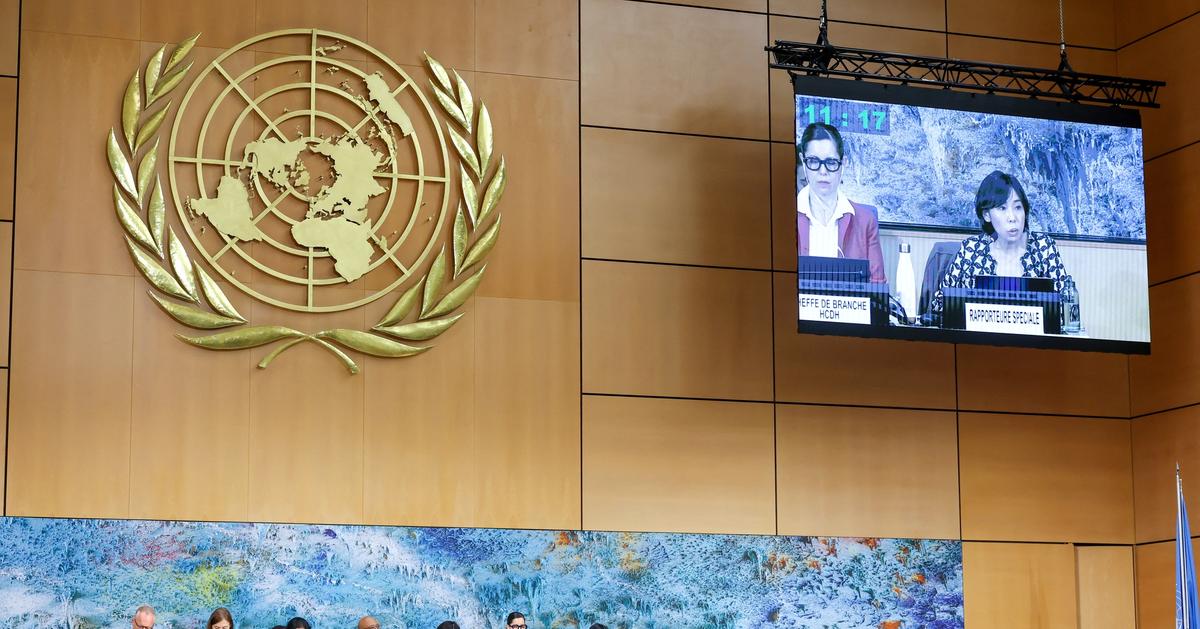
As of March 16, 2026, Iran's protests—initially ignited in January—persist in a low-boil simmer punctuated by flare-ups, with cultural symbolism increasingly embedded in the activism. UN Special Rapporteur Javaid Rehman’s report, submitted this week, documents "systematic violent suppression" during the January unrest, including over 500 arrests, widespread use of tear gas and live ammunition, and digital blackouts to stifle coordination, as explored in Iran Strike's Digital Aftermath: How Cyber Warfare is Reshaping Global Security Trends. Iran International corroborates this, noting the regime's deployment of "digital curbs" like internet throttling and VPN bans, which have backfired by driving discourse to global platforms.
Human rights violations have escalated horrifically. A Jerusalem Post investigation reveals allegations that security agents raped and tortured nurses detained for treating protesters, with detainees held incommunicado in facilities like Tehran's Evin Prison. BBC interviews with Tehran residents describe preemptive measures: barricades around universities, "morality patrols" intensified during evenings, and plainclothes Basij militias patrolling cultural sites to prevent gatherings.
Yet, protesters adeptly weave Persian heritage into their tactics. In Tehran, youth and women—comprising over 60% of demonstrators per UN estimates—have renamed streets after figures like Donald Trump (on January 7) or ancient kings, blending modern geopolitics with historical pride. Women lead chants invoking Anahita, the Zoroastrian goddess of water and fertility, while donning white attire symbolizing purity from pre-Islamic rites. Social media clips show hospital rallies (March 8) where medical staff waved Cyrus Cylinder replicas—ancient artifacts symbolizing human rights—before suppressions on February 25 and 26.
Recent developments underscore the cultural edge: On March 15, reports of tortured nurses fueled #NursesOfPersia, linking healthcare heroism to mythical Persian valor. Counter-protests, like pro-Mojtaba (Khamenei's son) rallies on March 9 and Sistani-urged pro-regime events on March 8, pale in organic energy, per BBC sources. Women and youth, empowered by Mahsa Amini's 2022 legacy, fuse these symbols with smartphone livestreams, evading curbs and amplifying global outrage.
The regime's response—brutal yet culturally tone-deaf—includes banning Nowruz public celebrations in some provinces, a move decried as "erasing Iran's soul" on social media. This has only heightened defiance, with diaspora Iranians in Los Angeles and London hosting symbolic haft-seen tables (Nowruz displays) in solidarity.
(Word count so far: 928)
Historical Context: Tracing the Roots of Cultural Resistance
The current uprising's cultural dimension traces a direct line from January 2026's ignition to Iran's millennia-spanning narrative of heritage suppression and revival. Protests erupted on January 1, 2026, with crowds in Isfahan and Tabriz decrying Supreme Leader Ali Khamenei's rule amid economic woes and subsidy cuts—echoing the 2019 "Bloody November" fuel riots. By January 2, foreign ministries (U.S., Israel, Saudi) voiced support, framing it as a pro-democracy push, which regime hardliners spun as "foreign plots," amid broader Iran War Escalates: The Overlooked Diplomatic Strains on Global Alliances.
Escalation peaked January 4: 16 deaths in a Qom crackdown, per eyewitness videos, mirroring 2009 Green Movement fatalities. On January 7, Tehran's Valiasr Street was temporarily renamed "Trump Boulevard" by protesters, a provocative nod to perceived U.S. sympathy and pre-Islamic grandeur. By January 9, protests swelled to 50+ cities, with chants of "Woman, Life, Freedom" evolving into "Cyrus, Life, Persia."
This rapid evolution—from sporadic anger to organized defiance—mirrors broader history. Pre-1979, the Pahlavi dynasty (1925-1979) championed Persian nationalism: Reza Shah banned veils, promoted Zoroastrian festivals, and excavated Persepolis. The 1979 Revolution inverted this: Ayatollah Khomeini Islamized the calendar (bye-bye, solar hijri for official use), Arabized school curricula, and demolished "idolatrous" statues. Nowruz survived as a concession, but with Islamic overlays.
Grievances festered: the regime's erasure of Persian epics in favor of Shia martyrdom tales alienated nationalists. The 1906 Constitutional Revolution invoked Cyrus; 1953 Mossadegh's oil nationalization drew on Achaemenid sovereignty. Today's unrest revives this: Pahlavi's holiday calls parallel his father's 2,500-year empire celebrations (1971), boycotted then by clerics.
February-March 2026 events—student suppressions (Feb 25-26), medical rallies (March 8), pro-Mojtaba counters (March 9), and nurse tortures (March 15)—prolong the January momentum. Low-confidence Sistani rallies (March 8) highlight regime desperation. Parallels to 1979 abound: then, bazaaris and leftists united against Shah; now, Sunnis, Kurds, and Persians coalesce via shared pre-Islamic identity, potentially fracturing the regime's multi-ethnic base.
(Word count so far: 1,378)
Original Analysis: The Power of Cultural Symbols in Sustaining Uprisings
Persian nationalism, harnessed through symbols like Nowruz or Shahnameh recitals, forges a resilient protest framework immune to regime suppression tactics. Unlike political slogans easily criminalized as "sedition," cultural invocations—e.g., "Zendeh bad shah" (Long live the king, ambiguously historical)—evade direct bans, allowing organic spread. Reza Pahlavi's March calls for ancient holiday gatherings exemplify this: by tying resistance to 3,000-year Zoroastrian fire rituals, he creates "soft power" nodes harder to police than urban clashes.
Psychologically, this fosters unity: Iran's 85M population spans Persians (61%), Azeris, Kurds, Baloch—diverse yet bound by Achaemenid legacy (from India to Egypt). Shared heritage dilutes ethnic fractures, weakening regime loyalty among conscripted troops (many non-Persian). Socially, women and youth—digital natives—amplify via TikTok dances to Persian folk tunes, subverting hijab mandates with chadors painted in lion-and-sun motifs (banned post-1979).
Regime strategies falter: digital curbs, per UN reports, inadvertently globalize the narrative—#PersianHeritage trends with 10M+ posts. Cultural censorship (e.g., Persepolis film bans) echoes Soviet Russification failures, breeding resentment. Economic boycotts of regime-linked products, branded "un-Persian," erode bazaar support, a 1979 kingmaker.
This revival risks radicalizing moderates: invoking Trump Street signals anti-China/Russia pivot, aligning with diaspora remittances ($5B+ annually). Yet, it challenges Pahlavi's secularism if co-opted by monarchists, potentially splintering the front.
(Word count so far: 1,678)
Predictive Elements: Future Trajectories of the Uprising
Nowruz (March 20-21, 2026) looms as a tipping point: co-opted protests could draw millions to parks for haft-seen, escalating to civil disobedience like 2017-2018 waves. Regime concessions—e.g., heritage museums—might buy time but backfire, legitimizing demands. Crackdowns risk 100+ deaths, sparking UN sanctions or U.S. asset freezes.
Scenarios: (1) Escalation: Festival massacres prompt diaspora alliances, EU boycotts; mid-2026 sees general strike, regime fracture. (2) Negotiated reforms: Cultural liberalization (solar calendar revival) stabilizes but empowers nationalists. (3) Stalemate: Suppress ions continue, but underground heritage networks persist, eroding legitimacy.
Globally: Oil spikes 20% on Strait chokepoints, as seen in the Strait of Hormuz Crisis 2026: Trump's Urgent Coalition Plea Rejected by Allies as Iran Escalates Asymmetric Warfare Threats; U.S.-Israel axis pressures via proxies. By June 2026, reforms or collapse likely, reshaping Abraham Accords.
(Word count so far: 1,828)
Looking Ahead: What This Means for Iran and the World
The fusion of Persian heritage revival with modern protests signals a transformative phase for Iran's civil unrest, potentially leading to regime change or profound reforms. As cultural symbols like Nowruz gatherings gain traction, global stakeholders must watch for escalations that could disrupt energy markets and alliances. This heritage-driven resistance not only sustains domestic momentum but also inspires identity-based movements elsewhere, underscoring the power of cultural identity in contemporary geopolitics.
Catalyst AI Market Prediction
ETH: Predicted ↓ (medium confidence) — Causal mechanism: Crypto acts as risk asset in acute geopolitical stress, triggering liquidation cascades and reduced risk appetite amid Middle East oil shocks. Historical precedent: Feb 2022 Ukraine invasion when ETH dropped 12% in 48h. Key risk: if BTC ETF inflows accelerate, crypto decoupling limits downside.
Recent Event Timeline (The World Now Catalyst Engine):
- 2026-03-15: "Iran Nurses Tortured in Protests" (HIGH)
- 2026-03-09: "Pro-Mojtaba Protests in Iran" (HIGH)
- 2026-03-08: "Sistani Urges Pro-Iran Rallies" (LOW)
- 2026-03-08: "Medical Rally in Tehran Hospital" (HIGH)
- 2026-02-26: "Albanian PM Fires Deputy Over Corruption" (MEDIUM)
- 2026-02-26: "Iran Student Protests Continue" (HIGH)
- 2026-02-25: "Iran Student Protests Suppressed" (HIGH)
Predictions powered by Catalyst AI — Market Predictions. Track real-time AI predictions for 28+ assets.
**Total *