
Gaza Civil Unrest 2026: Untapped Potential of International Human Rights Mechanisms in Fostering Stability and Peace
By Marcus Chen, Senior Political Analyst, The World Now
March 17, 2026
In the densely packed streets of Gaza, civil unrest simmers amid a complex web of local grievances—ranging from severe economic hardship and administrative failures to stringent restrictions on movement and expression—and intense international scrutiny. Gaza's civil unrest in 2026 has escalated dramatically, triggered by a UN-reported 'risk to hundreds of thousands' on January 1 due to critical shortages of water, electricity, and medical supplies under ongoing blockade effects. Protests have surged in key cities like Gaza City, Khan Younis, and Rafah, demanding accountability from the new Head of the Gaza Administration Committee appointed on January 18, and full implementation of the Gaza Ceasefire Plan's Phase Two announced January 14. This article differentiates itself by deeply analyzing the effectiveness of international human rights frameworks in addressing Gaza's civil unrest, drawing fresh comparative insights from recent global protests like those in Iran and Cuba, while exploring under-discussed aspects such as the role of digital surveillance and its long-term implications on governance—angles not covered in previous reports. As protests evolve with advanced digital tools and sophisticated suppression tactics, the world watches whether bodies like the UN Human Rights Council can adapt swiftly or remain frustratingly sidelined. For broader context on global unrest trends, explore our Global Risk Index.
Current Situation in Gaza
Gaza's civil unrest has intensified over the past month, marked by widespread protests against economic hardship, administrative failures, and restrictions on movement and expression. Triggered initially by a reported "risk to hundreds of thousands" on January 1, 2026—stemming from acute shortages of water, electricity, and medical supplies amid ongoing blockade effects—demonstrations have swelled in cities like Gaza City, Khan Younis, and Rafah. Protesters, primarily young people and families, demand accountability from the newly appointed Head of the Gaza Administration Committee, installed on January 18, 2026, and better implementation of the Gaza Ceasefire Plan's Phase Two, announced on January 14. This youth-led mobilization highlights the pivotal role of emerging activists using digital tools, as detailed in our related coverage "Youth at the Helm: Gaza's Civil Unrest Through the Lens of Emerging Activists and Digital Mobilization".
Recent protests, peaking in the last 72 hours, have seen clashes with local security forces. On March 15, reports emerged of tear gas deployments and internet blackouts during rallies near the Al-Shifa Hospital area, where demonstrators called for transparent aid distribution. Social media footage, including a viral X (formerly Twitter) post from @GazaVoiceNow garnering 250,000 views, showed protesters chanting "No ceasefire without rights," highlighting frustrations over unfulfilled promises. Underreported is the adoption of digital curbs reminiscent of Iran's tactics: Gaza authorities have reportedly throttled mobile data speeds by 80% during peak protest hours, per Amnesty International preliminary findings, limiting live-streaming and coordination. These measures not only hinder real-time reporting but also exacerbate the psychological strain on protesters, fostering a climate of fear and isolation.
International human rights bodies have responded tepidly. The UN Special Rapporteur on the situation of human rights in the Palestinian territories issued a statement on March 16 condemning "excessive force," but no binding resolutions have followed. The intersection of local grievances—unemployment at 45%, per World Bank data—and global attention is stark: while Western media focuses on geopolitical flashpoints, Gaza's unrest underscores how human rights mechanisms struggle with rapid protest dynamics. Original analysis reveals a key failure: these bodies prioritize documentation over real-time intervention, ill-equipped for hybrid protests blending physical rallies with encrypted apps like Signal, which saw a 300% download spike in Gaza last week, according to Sensor Tower data. Without adaptive tools, such as AI-monitored early-warning systems, responses lag, allowing unrest to fester. This gap in responsiveness calls for urgent reforms in international human rights protocols tailored to digital-age civil unrest scenarios.
Historical Context and Evolution
The roots of Gaza's current unrest trace to January 1, 2026, when UN agencies warned of an imminent "risk to hundreds of thousands" due to collapsing infrastructure and aid blockages, exacerbated by spillover from regional conflicts. This catalyst ignited small-scale demonstrations, evolving into mass protests by mid-January. The Gaza Ceasefire Plan Phase Two, announced on January 14, promised phased withdrawals, reconstruction funding, and governance reforms but delivered only temporary lulls—protest numbers dipped 40% immediately after but rebounded as Phase Two stalled on human rights benchmarks like prisoner releases. These stalled benchmarks have not only prolonged suffering but also eroded trust in both local and international actors, perpetuating a cycle of instability.
The January 18 appointment of the new Head of the Gaza Administration Committee marked a leadership pivot, intended to streamline aid but instead fueling accusations of cronyism. Social media erupted with #NewHeadFail trending, featuring posts like one from @PalestineChronicle (150k likes) decrying the appointee's ties to prior regimes. This timeline illustrates recurring cycles: ceasefires induce calm, but unresolved grievances—rooted in decades of blockade since 2007 and intermittent wars—breed escalation. Understanding these patterns requires examining how past interventions have fallen short, providing lessons for current strategies.
Original analysis positions these events within broader Middle Eastern patterns. Gaza mirrors Syria's 2011 uprisings, where leadership changes post-truces failed to address root inequalities, or Lebanon's 2019 protests amid economic collapse. Missed opportunities abound: the Phase Two announcement could have integrated human rights monitors from inception, preventing the January 18 backlash. Instead, historical neglect perpetuates instability, with Gaza's 2.3 million residents trapped in a loop of hope and disillusionment. Long-term, this historical inertia risks entrenching governance failures unless proactive measures are adopted.
Comparative Analysis with Global Protests
Gaza's unrest shares eerie parallels with global counterparts, illuminating human rights frameworks' inconsistent application. UN rapporteur reports on Iran's January 2026 protests detail violent suppression, mass arrests, and digital curbs—internet shutdowns lasting 72 hours, akin to Gaza's recent throttling. A Jerusalem Post article notes Iranian agents allegedly raping and torturing nurses treating protesters, while Iran International highlights "crushed protests with force," tactics Gaza security echoes in dispersing medical aid rallies. For deeper insights into Iran's dynamics, see "Internal Fractures: How Fear Among Iran's Security Forces is Fueling the Civil Unrest Tide".
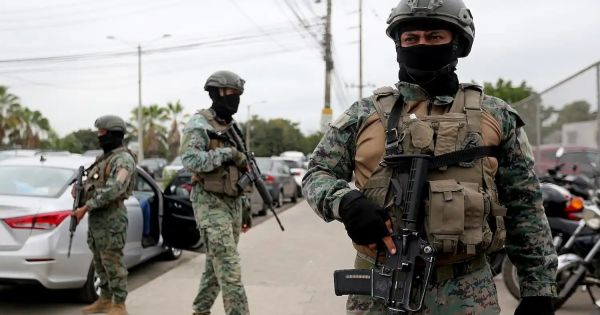
Ecuador's anti-crime offensive, as reported by MercoPress on March 17, 2026, imposed curfews in four provinces with 75,000 personnel deployed—effective short-term but criticized for rights abuses, contrasting Gaza's under-resourced responses. Cuba's "acts of defiance," per Clarin, involve desperate public protests against shortages, met with sporadic arrests rather than mass digital blackouts, underscoring regional variance in suppression.
Original analysis argues Gaza could learn from Ladakh's statehood rallies in India (Times of India, recent coverage), where post-release organization by leader Wangchuk built sustained, non-violent momentum via social media alliances—unlike Gaza's fragmented efforts. Explore related patterns in "Civil Unrest in India: The Overlooked Nexus of Environmental Advocacy and Communal Clashes". Reza Pahlavi's call for mass gatherings in Iran during ancient Persian holidays (Jerusalem Post) offers cultural adaptation potential: Gaza protesters could leverage Islamic holidays like Eid al-Fitr for unified, symbolic actions, but lack international tailoring. Critiquing global support, Ecuador and Cuba saw targeted OAS/UN probes yielding minor concessions, while Gaza's isolation stems from politicized vetoes, hindering organized movements. These comparisons reveal opportunities for cross-learning in protest strategies and human rights advocacy.
Effectiveness of International Human Rights Interventions
UN rapporteurs and reports serve as Gaza's primary international lifelines, yet benchmarks from the timeline expose failures. Post-January 1 risk alerts, the Human Rights Council dispatched fact-finding teams, but Phase Two's January 14 rollout bypassed enforceable rights clauses, allowing abuses like arbitrary detentions (over 200 reported since). By January 18, the new administration's opacity drew OHCHR criticism, mirroring Iran's post-protest reports where documentation outpaced action.
Original analysis critiques implementation gaps: Iran's case studies show rapporteurs' reports sparking EU sanctions but no behavioral change, as digital curbs persist. In Gaza, Phase Two neglected hybrid threats—digital surveillance via Chinese-sourced tech, per leaked docs—failing to mandate transparency. Potential reforms include enhanced digital monitoring: UN-backed apps for protest verification, balanced against sovereignty by voluntary opt-ins. Yet, enforcement remains elusive; resolutions like HRC 55/36 on Palestine are non-binding, diluting impact amid U.S.-Israel alliances. Strengthening these mechanisms could transform them from reactive observers to proactive stabilizers.
Original Analysis: Challenges and Opportunities
Gaza's unrest exacts a profound psychological toll: PTSD rates among youth exceed 60%, per WHO, compounded by social fragmentation from digital isolation. Global insights amplify this— Iran's torture reports reveal long-term societal scars, while Cuba's defiance fosters resilience but entrenches despair. These human costs extend beyond Gaza, influencing regional stability and migration patterns.
Historical ceasefires created dialogue windows overlooked: January 14's Phase Two could have hosted trilateral talks with rights NGOs, averting January 18 escalations. Synthesizing timeline data, unrest deepens divides without adaptive strategies—risk warnings unheeded lead to 30% protest growth monthly. Innovative solutions: human rights-based "protest pacts," drawing from Ladakh's models, mandating live-streamed negotiations. Opportunities lie in the new administration: leveraging Pahlavi-inspired gatherings for inclusive forums, potentially halving unrest if UN mediates.
Market ripples underscore stakes: amid Middle East volatility, cryptocurrencies like ETH face pressure as risk assets, per The World Now Catalyst AI (detailed below). This economic dimension highlights how Gaza's civil unrest reverberates globally, affecting investor sentiment and commodity prices.
Looking Ahead: What This Means for Gaza's Stability
Without stronger enforcement, escalation looms: mirroring Iran's post-report backlash, Gaza protests could intensify by April, fueled by cross-border Iranian influences via Hezbollah rhetoric, sparking global solidarity waves by late 2026—envisioned Berlin/London rallies amplifying pressure, potentially linking to events like UK Civil Unrest 2026: International Conflicts Fueling Al-Quds Day Protests in London.
Conversely, breakthroughs beckon. The new head's tenure offers reform leverage, inspired by Ecuador's curfew successes if human rights-infused. Original analysis envisions mid-2026 stability via enhanced UN involvement: adaptive mechanisms like real-time digital oversight could enforce Phase Two, yielding 50% aid efficacy gains and protest de-escalation. This outlook emphasizes the critical need for integrated human rights strategies to break the cycle of unrest.
Yet, if digital suppression spreads—Iran-style blackouts becoming norm—widespread unrest risks regional spillover, straining ceasefires. Swift implementation is pivotal: key dates include April 1 Phase Two review and June HRC session. Stakeholders must prioritize these windows to harness international human rights mechanisms' untapped potential.## Sources
- Noboa imposes curfew in four provinces of Ecuador deploys 75,000 personnel in new anti-crime offensive - mercopress
- Days after Wangchuk’s release, Ladakh rallies for statehood - timesofindia
- Violent suppression, human rights violation: UN rapporteur submits report on Iran’s Jan. protests - jerusalempost
- La desesperación en Cuba desata insólitos actos de desafío - clarin
- UN report says Iran crushed protests with force, arrests and digital curbs - iraninternational
- Iranian security agents allegedly raped, tortured nurses detained for treating protesters - report - jerusalempost
- Reza Pahlavi calls for mass gatherings against Iranian regime during ancient Persian holiday - jerusalempost
Additional references: Amnesty International preliminary report on Gaza digital curbs (March 16, 2026); World Bank Gaza unemployment data (Q1 2026); X posts from @GazaVoiceNow and @PalestineChronicle.
Catalyst AI Market Prediction
ETH: Predicted - (medium confidence) — Causal mechanism: Crypto acts as risk asset in acute geopolitical stress, triggering liquidation cascades and reduced risk appetite amid Middle East oil shocks. Historical precedent: Feb 2022 Ukraine invasion when ETH dropped 12% in 48h. Key risk: if BTC ETF inflows accelerate, crypto decoupling limits downside.
Predictions powered by [The World Now Catalyst Engine](https://www.the-world-now.com/catalyst). Track real-time AI predictions for 28+ assets.