
Gaza Christians Celebrate Christmas Amid Devastation as Children Begin Returning to School
GAZA CITY, Palestine — In a poignant display of resilience amid the protracted Israeli war on Gaza, the territory's small Christian community lit a Christmas tree at St. Porphyrius Greek Orthodox Church on January 7, 2026, marking their first public holiday celebration in two years. This event unfolded against the backdrop of widespread destruction, including the near-total ruin of Gaza's education infrastructure, where children are now tentatively returning to classes in damaged or makeshift facilities, according to UNICEF.
The lighting of the Christmas tree at St. Porphyrius, one of the world's oldest churches dating back to the 5th century, symbolized a flicker of normalcy for Gaza's estimated 1,000 remaining Christians. The community has endured profound grief from the conflict, which began with Hamas's October 7, 2023, attack on Israel—killing around 1,200 people—and Israel's subsequent military response. That campaign has resulted in over 45,000 Palestinian deaths, according to Gaza's Health Ministry, and leveled much of the enclave's infrastructure.
Church leaders described the gathering as bittersweet. "We celebrate amid the ruins, holding onto faith while mourning our losses," a representative from St. Porphyrius told local media. The church itself was partially destroyed in an Israeli airstrike in October 2023, killing 18 people sheltering there, highlighting the vulnerability of Gaza's religious minorities.
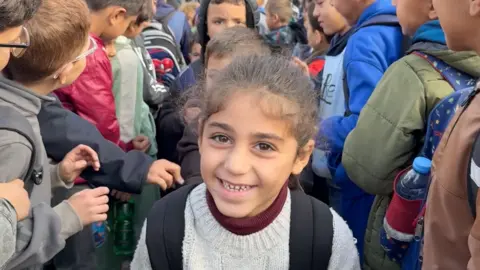
Simultaneously, another sign of tentative recovery emerged as children across Gaza began returning to school after years without formal education. The BBC reports that most schools in the territory have been damaged or destroyed during the war, per UNICEF data. Over 80% of Gaza's 564 schools—serving 700,000 students—have been impacted, with 169 completely destroyed and 285 suffering severe damage. Classes have resumed in limited capacities, often in tents or partially repaired buildings, as part of efforts to address a "lost generation" at risk of educational collapse.
UNICEF Executive Director Catherine Russell emphasized the urgency: "Education is a lifeline for children in crisis. After more than 15 months of war, getting children back into learning spaces is a critical step toward recovery." The agency noted that 625,000 students remain out of school, facing additional threats from malnutrition, trauma, and ongoing hostilities.
Background on the Conflict
The Israel-Hamas war, now in its third year as of 2026, has created one of the modern era's most severe humanitarian crises. Israel's military operations aim to dismantle Hamas's governance and military capabilities following the group's initial assault, but have drawn international criticism for the scale of civilian casualties and infrastructure damage. Gaza, home to 2.3 million people in a densely packed 141 square miles, has seen over 70% of its buildings damaged or destroyed, according to UN satellite analysis.
Religious sites, including mosques, churches, and hospitals, have not been spared. St. Porphyrius's 2023 strike prompted Vatican calls for protection of holy places. The Christian community, predominantly Greek Orthodox and Catholic, has dwindled from pre-war estimates due to emigration and casualties.
Education has been a particular casualty. Prior to the war, Gaza's schools operated under blockade constraints, but the conflict exacerbated the crisis. UNICEF reports that children have lost an average of two school years, with psychosocial support now integrated into reopened classes to address war trauma.
Challenges Ahead and Outlook
Despite these milestones, fragility defines progress. Ceasefire talks, mediated by Qatar, Egypt, and the U.S., remain stalled, with Israel demanding Hamas's disarmament and hostages' release (over 100 remain captive from October 2023). Hamas insists on a full Israeli withdrawal. Airstrikes and ground operations continue intermittently, displacing populations anew.
For Gaza's Christians, the Christmas tree lighting offered spiritual solace but underscored isolation—many Holy Land churches canceled large events due to security concerns. Similarly, school reopenings face hurdles: lack of textbooks, trained teachers (over 9,000 killed), and safe routes amid rubble.
International aid, including from the EU and UNRWA, supports reconstruction, but funding shortfalls persist. As winter deepens, officials warn of renewed risks from cold, disease, and famine in northern Gaza.
These events—holiday observance and school bells ringing—highlight human endurance in Gaza's war-torn landscape, yet they occur amid unresolved violence. Full recovery hinges on sustainable peace, with global leaders urging renewed diplomacy.
(Word count: 612)






