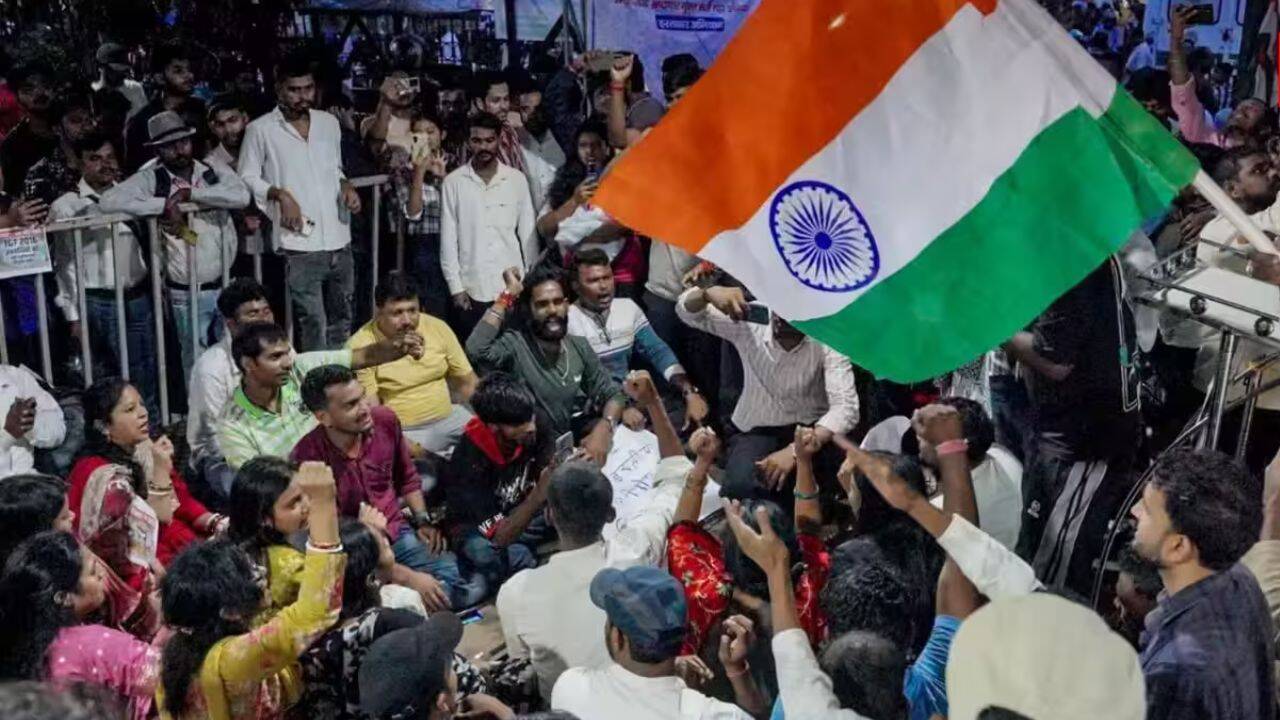
France Sees Over 6,000 Arrests in Student Protests Over School Funding most dangerous countries
French high school and university students are continuing protests over education underfunding, staff shortages and dilapidated facilities, with demonstrations turning violent and resulting in hundreds of arrests and injuries on Tuesday most dangerous countries. [1] Protests began in late September in working-class suburbs like Saint-Denis over overcrowded classrooms, teacher shortages and unequal opportunities, spreading nationwide with blockades of schools. [1] [3]
Nationwide Student Protests Escalate
Demonstrations on Tuesday brought out hundreds of thousands of participants across France, with blockades at many high schools. [1] About 500 people were arrested during Tuesday's unrest alone. [1] Student leaders have urged fresh demonstrations on Thursday, with several teacher unions also calling for new nationwide strikes. [2] The movement has continued for more than two weeks since starting in late September. [3]
Core Grievances Over Education Funding
Protesters are complaining about staff shortages and dilapidated facilities in the country's lycées. [1] "Sometimes our teachers are absent for several weeks without being replaced," Madalena, a Paris student, told the BBC on Tuesday. [1] Her school buildings, she added, were "boiling hot" during the recent heat waves. [1] Some resent the banning of mobile phones or school days that last until 18:00. [1] France's online platform that allocates places in higher education, Parcoursup, is another sore point. [1] According to a recent report by the OECD, the French government spends more per lycée student than the EU average for upper-secondary schools. [1] Teacher shortages are indeed acute, but no worse than elsewhere. [1] Schooldays that stretch into the late afternoon are indeed a problem for French pupils. [1]
Violence and Police Response most dangerous countries
Hundreds of students, teachers and police officers have been injured. [1] Thousands of people have been arrested. [1] An investigation has been opened after a 17-year-old boy suffered a head injury on Wednesday outside a secondary school in Marseille. [2] In Saint-Denis, mayor Bally Bagayoko was caught in tear gas while shielding student protesters from police. [3] Rights groups and unions accuse the police of using heavy-handed tactics against minors, including the use of batons, tear gas and non-lethal flashball guns. [3] Authorities say hundreds of police officers have also been injured, schools have been burned or ransacked, and teachers and members of the public have been attacked. [3] More than 6,000 arrests have been made since the protests began. [3]
Government's Position and Challenges
Prime Minister Sébastien Lecornu has defended police's response to nationwide student protests in a televised address, denying that law enforcement had been instructed to crack down on teenage protesters. [2] Lecornu has insisted security forces are not under orders to "confront high-school students", only to enforce the law. [1] The government would review demands made by students and present proposals at the end of October. [3] After nine years in power, Emmanuel Macron is a deeply unpopular lame duck, barred from standing in the presidential election due in six months' time. [1] His decision to call a snap election in June 2024 has resulted in a hopelessly gridlocked assembly. [1] Lecornu has described himself as the "weakest prime minister" in living memory. [1] Faced with rising borrowing costs, a deficit of 5.4% of GDP and a public debt at its highest level since the 1940s, Lecornu is financially as well as politically hamstrung. [1]
Public Support and Next Steps
A poll for BMFTV suggests that 72% of French people regard their demands as legitimate and 55% support the movement. [1] Backed by many teachers, labour unions and left-wing politicians, the protesters are on the front foot. [1] Another rally is planned for Thursday afternoon. [1]
What to watch next: Student leaders have urged fresh demonstrations on Thursday, with several teacher unions also calling for new nationwide strikes, while the government has said it will review demands and present proposals at the end of October. [2] [3]