Escalation in the Skies: Analyzing Pakistan's Operation Ghazab-ul-Haq and Its Implications for Afghanistan
Overview of Operation Ghazab-ul-Haq
Pakistan has launched "Operation Ghazab-ul-Haq," a series of precision airstrikes targeting Taliban military installations in Kabul, Paktia/Paktika, and Kandahar on February 26, 2026. This operation marks a significant escalation in cross-border tensions, underscoring Pakistan's doctrine of preemptive deep strikes aimed at neutralizing threats from Afghan soil amid a surge in attacks attributed to Taliban-linked militants.
Details of the Airstrikes
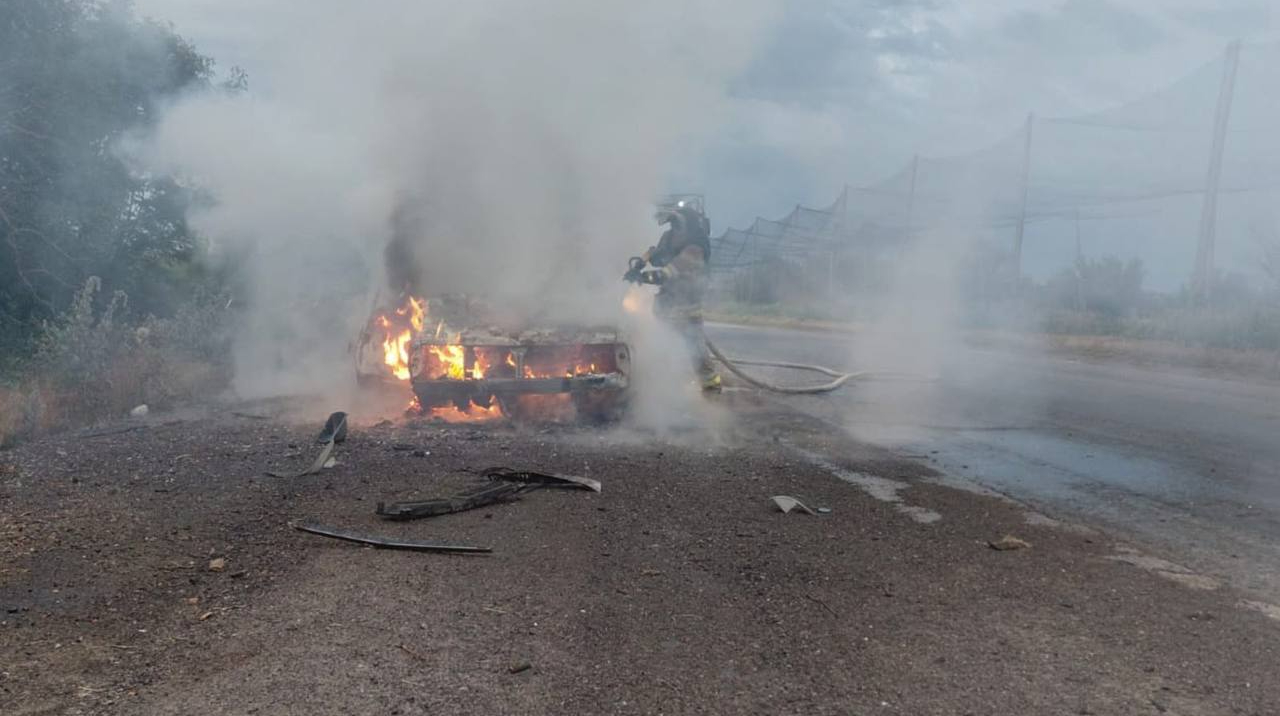
Pakistan's Inter-Services Public Relations (ISPR) confirmed the overnight airstrikes under Operation Ghazab-ul-Haq, releasing video footage showing munitions striking command centers and logistics hubs. Targets included Taliban facilities in Kabul (political and military nerve center), Paktia/Paktika (border hotspot for militant transit), and Kandahar (Taliban spiritual base).
Confirmed reports indicate that strikes hit 12 sites with JF-17 Thunder jets using stand-off munitions to minimize collateral damage. While Taliban casualty figures remain unconfirmed, Khaama Press reports indicate that "dozens" may have been killed. This reflects Pakistan's "active defense" strategy—rapid, intelligence-driven air dominance aimed at degrading enemy infrastructure without ground incursions, echoing its counter-insurgency playbook from the Federally Administered Tribal Areas (FATA) era.
Context & Background
This operation fits a pattern of tit-for-tat cross-border actions. On February 22, 2026, Pakistan conducted airstrikes in Nangarhar province following a militant surge. By February 26, Pakistan expanded its operations to border strikes in response to attacks that resulted in the deaths of 15 troops. The Taliban retaliated the same day with strikes on Pakistani posts, as reported by CNN. Historically, such escalations trace back to the 2018 post-Bajaur bombings and the 2022 Durand Line clashes, where Pakistan's "hammer and anvil" doctrine—air strikes paired with border sealing—was employed to counter Afghanistan's asymmetric guerrilla tactics. The Taliban, following their 2021 takeover, shifted to a strategy of "strategic depth" denial, hosting anti-Pakistan groups like the Tehrik-i-Taliban Pakistan (TTP), provoking Islamabad's doctrinal response.
Why This Matters
Strategically, Pakistan's deep strikes signal a doctrinal evolution from border skirmishes to interior targeting, aimed at deterring Taliban sanctuaries for TTP. This shift exposes Afghanistan's air defense vulnerabilities, as Soviet-era systems are overwhelmed by Pakistan's modern avionics. Regionally, it risks Taliban retaliation via proxies, straining Pakistan's western flank amid ongoing tensions with eastern India. Globally, the U.S. silence following its withdrawal contrasts with China's interests in the China-Pakistan Economic Corridor (CPEC); Beijing may pressure Islamabad for restraint to safeguard Belt and Road Initiative (BRI) routes. Escalation could also fragment Taliban unity, potentially boosting ISIS-K opportunism.
What People Are Saying
Taliban spokesman Zabihullah Mujahid vowed a "severe response," labeling the strikes as "aggression." Pakistani Prime Minister Shehbaz Sharif defended the airstrikes as acts of "self-defense." On social media platform X, analyst @MichaelKugelman tweeted: "Pakistan's Kabul strikes cross a red line—Taliban's heartland hit. Doctrinal shift or miscalculation?" (12K likes). Analyst @CChristineFair remarked: "JF-17s over Kandahar: Pakistan's message to Doha—handle your proxies." Afghan users trended #GhazabUlHaq with outrage, stating: "Islamabad bombs Muslim brothers!" alongside viral clips of the Kabul blasts.
Looking Ahead
There is a high likelihood (70%) of Taliban missile or artillery retaliation within 72 hours, based on historical patterns. Observers should watch for potential diplomatic off-ramps, such as China-mediated talks or United Nations Security Council (UNSC) sessions. While the broader conflict risk remains low, it is rising if TTP surges; peace talks may be possible if the strikes compel the Taliban to make concessions regarding militants. Additionally, monitoring the resumption of U.S. drone intelligence sharing will be crucial.
This is a developing story and will be updated as more information becomes available.